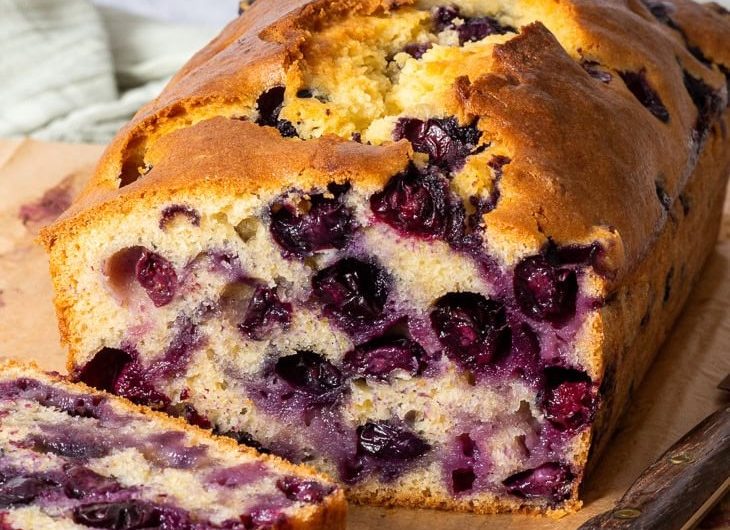
This Gluten-Free Blueberry Loaf Cake is soft, moist, and filled with juicy fresh blueberries in every slice. It combines the comforting texture of a homemade blueberry muffin with the attractive shape of a classic loaf cake. Fresh lemon zest and vanilla add a light, fragrant flavor, while yoghurt keeps the crumb tender without making the cake heavy or greasy.
If you are searching for an easy gluten-free blueberry cake that works for breakfast, afternoon tea, dessert, or a simple family snack, this recipe is an excellent choice. The batter requires about 20 minutes of preparation, and no complicated decorating is needed. Once baked, the loaf develops a golden top, a moist centre, and a beautiful distribution of blueberries throughout the cake.
Unlike some gluten-free cakes that turn out dry, crumbly, or dense, this blueberry loaf has a pleasantly soft structure. The carefully balanced combination of gluten-free flour, melted butter, yoghurt, eggs, baking powder, baking soda, and xanthan gum helps produce a tender but stable crumb. The thick batter also supports the blueberries, reducing the chance that all the fruit will collect at the bottom.
Why You Will Love This Gluten-Free Blueberry Loaf
This homemade gluten-free blueberry loaf is easy enough for everyday baking but attractive enough to serve to guests. It uses familiar ingredients and does not require a mixer or advanced baking skills. The fresh blueberries create small bursts of sweetness, while the lemon zest brightens the overall flavor without turning the loaf into a strongly flavored lemon cake.
Another reason to love this recipe is its versatility. A slice can be served as a breakfast cake with tea or coffee, packed into a lunchbox, offered as an afternoon snack, or enjoyed after dinner. The loaf is flavorful enough to eat without frosting, glaze, or cream, making it a practical choice when you want a simple gluten-free dessert.
The recipe also produces ten convenient slices, although the exact number depends on how thickly the loaf is cut. Because it keeps well in an airtight container and can be frozen, it is suitable for advance preparation. You can bake it before a busy week, store individual slices, and enjoy homemade blueberry cake whenever you want something sweet.
What Makes This Blueberry Loaf Gluten-Free?
Ordinary blueberry loaf cakes are usually made with wheat flour, which contains gluten. This recipe uses a plain gluten-free flour blend instead. A well-balanced gluten-free blend commonly contains a mixture of rice flour, potato starch, tapioca starch, corn flour, or similar ingredients designed to replace the function of conventional all-purpose flour in cakes and other baked goods.
The recipe also includes xanthan gum, which helps give the loaf structure and prevents the crumb from breaking apart too easily. However, some commercial gluten-free flour blends already contain xanthan gum. Check the package carefully before measuring the ingredients. If xanthan gum is already listed in the flour blend, skip the additional amount specified in the recipe.
For people with celiac disease or a medically diagnosed gluten intolerance, checking every ingredient label is important. Baking powder, baking soda, vanilla, yoghurt, and other packaged products can be processed in facilities that handle wheat. Choose products clearly labeled gluten-free and prepare the cake with clean equipment to reduce the risk of accidental cross-contact.
The Texture of a Perfect Blueberry Loaf Cake
A successful gluten-free blueberry loaf should be moist and tender while remaining firm enough to slice neatly. It should not feel wet, gummy, or excessively dense in the centre. The outside should be lightly golden, while the interior should have an even crumb with fresh blueberries spread throughout rather than forming a heavy layer near the bottom.
This recipe creates a noticeably thick batter, and that thickness is intentional. A thin cake batter allows heavy blueberries to sink before the cake sets in the oven. A thicker mixture holds the fruit in place more effectively, helping each slice contain a good balance of cake and berries. Avoid adding extra liquid simply because the batter appears thicker than a standard cake mixture.
The yoghurt and melted butter contribute moisture in different ways. Butter provides richness and a soft texture, while full-fat yoghurt adds moisture and slight acidity. That acidity also works with the baking soda during baking. Together with the eggs, these ingredients create a tender loaf that stays enjoyable after cooling and during the recommended storage period.
Choosing the Best Gluten-Free Flour Blend
Use a plain gluten-free flour blend intended for general baking rather than a self-raising blend. Self-raising flour already contains leavening agents, which could change how the loaf rises when combined with the baking powder and baking soda included in the original recipe. The flour should also be measured accurately because too much can produce a dry or heavy cake.
The original recipe specifies 240 grams, equal to approximately two cups. Measuring by weight is the most reliable method because different gluten-free flour blends can settle differently in a measuring cup. If you do not have kitchen scales, loosen the flour, spoon it gently into the cup, and level the surface without packing or pressing it down.
Check whether the selected flour contains xanthan gum before adding the separate half teaspoon. Using both the gum already present in the blend and the complete additional amount can make the crumb overly elastic or slightly gummy. When the flour contains no xanthan gum, include the stated quantity to improve binding and help the slices hold their shape.
Why Fresh Blueberries Work Best
Fresh blueberries provide the most reliable result in this gluten-free blueberry loaf cake. They maintain their shape during folding, add less uncontrolled moisture, and are easier to distribute through the thick batter. As the loaf bakes, the berries soften and release enough juice to create flavorful pockets without making the entire crumb wet or excessively dense.
Choose firm, plump blueberries without mold, leaking juice, or badly damaged skins. Rinse them gently under cool water and dry them thoroughly before adding them to the batter. Excess water clinging to the berries can loosen the surrounding mixture and create wet patches, so spreading the washed fruit on a clean towel before use is helpful.
The recipe uses 325 grams, or approximately two and a half cups, of fresh blueberries. This generous quantity ensures that the loaf is packed with fruit. Fold them carefully into the mixture to avoid crushing them. Broken berries can turn the batter purple and release extra moisture, although a few naturally crushed berries will not ruin the finished cake.
Why Frozen Blueberries Are Not Recommended
Although frozen blueberries are convenient, fresh berries are more suitable for this particular recipe. Frozen fruit releases more moisture as it heats, which can make a gluten-free loaf dense, gummy, or unevenly baked. It can also lower the temperature of the batter and increase the time needed for the centre to cook completely.
Frozen blueberries may also streak their color through the cake while they are being folded into the mixture. This does not necessarily affect the flavor, but it can change the clean, golden appearance of the crumb. Because the original recipe has been developed around fresh blueberries, using fresh fruit gives you the best chance of achieving the intended texture and baking time.
If fresh blueberries are available, use them without making unnecessary substitutions. Gluten-free baking depends on a careful balance of moisture, structure, and leavening. Even a seemingly simple change can affect the result more noticeably than it would in a conventional wheat-based cake, especially when the recipe already contains a large amount of fruit.
The Importance of Lemon Zest
Lemon zest adds a fresh citrus fragrance that complements the blueberries beautifully. It contains natural aromatic oils that provide flavor without adding the acidity or extra liquid found in lemon juice. The loaf does not taste sharply sour; instead, the zest lifts the sweetness and gives the cake a cleaner, brighter finish.
For the best result, use an organic, unwaxed lemon when possible. Wash and dry the lemon before removing the zest. Grate only the thin yellow outer layer and avoid the white pith underneath, which has a bitter taste. A fine grater produces small pieces that blend evenly into the sugar and cake batter.
Rubbing the zest into the sugar with your fingertips is an important preparation step. The pressure releases aromatic oils from the zest and distributes them throughout the sugar. Within a short time, the sugar becomes fragrant and slightly moist. This simple technique creates a stronger, more even lemon aroma than merely stirring the zest into the completed batter.
How Yoghurt Keeps the Loaf Moist
Full-fat plain yoghurt or Greek yoghurt gives the cake a soft, moist crumb and a subtle richness. Its slight acidity supports the action of the baking soda, helping the loaf rise while it bakes. Full-fat yoghurt is preferred because its fat content contributes tenderness and reduces the risk of a dry finished texture.
Bring the yoghurt to room temperature before mixing it with the other wet ingredients. Very cold yoghurt can cause the melted butter to firm into small pieces, making the mixture less smooth. Room-temperature eggs are recommended for the same reason. Ingredients at similar temperatures combine more evenly and help create a consistent batter.
Use plain, unflavored yoghurt so additional sugar or flavoring does not change the balance of the recipe. Both regular full-fat plain yoghurt and full-fat Greek yoghurt are acceptable as specified. Because Greek yoghurt is usually thicker, the batter may appear particularly substantial, but it should still become smooth when all the ingredients are folded together properly.
Preparing the Loaf Tin Correctly
A 9-by-5-inch, or 23-by-13-centimetre, loaf tin provides the right shape and depth for this blueberry cake. A significantly smaller pan may cause the batter to overflow or require a longer baking time. A larger pan will produce a shallower loaf that may bake more quickly and become dry if left in the oven for the full hour.
Line the tin with parchment paper before preparing the batter. Leave enough paper extending over the longer sides to create handles for lifting the cooled loaf. Good lining prevents the fruit-rich cake from sticking and makes removal safer. Smooth the paper into the corners as neatly as possible so the loaf develops an even shape.
Move the oven rack to the middle position and preheat the oven to 375°F or 190°C. Proper preheating matters because the baking powder and baking soda begin working as the batter warms. Placing the loaf into an oven that has not reached the required temperature may affect its rise, texture, and total baking time.
Mixing the Wet Ingredients
Begin by placing the sugar and finely grated lemon zest in a large mixing bowl. Rub them together with clean fingertips until the sugar smells strongly of lemon and the zest looks evenly dispersed. This step takes little time but makes a noticeable difference to the fragrance of the finished gluten-free blueberry loaf.
Add the melted and slightly cooled unsalted butter, room-temperature yoghurt, room-temperature eggs, and vanilla. The butter should be liquid but not hot. Hot butter could affect the eggs or create an uneven mixture. Whisk the ingredients until the mixture looks smooth and the eggs have been completely incorporated without visible streaks.
Vanilla bean paste supplies small vanilla seeds and a concentrated aroma, while vanilla extract offers a convenient alternative in the amount stated in the recipe. Either choice supports the blueberries and lemon without dominating them. Mix only until smooth; vigorous, prolonged whisking is unnecessary once the wet ingredients have combined evenly.
Combining the Dry Ingredients
In a separate bowl, whisk together the plain gluten-free flour blend, baking powder, baking soda, xanthan gum when required, and salt. Mixing these ingredients separately helps distribute the leavening agents throughout the flour. Uneven distribution could cause some areas of the loaf to rise differently or leave an unpleasant concentrated taste.
Salt may seem like a minor ingredient, but it balances the sweetness and strengthens the flavors of the blueberries, lemon, butter, and vanilla. Baking powder provides most of the lift, while baking soda reacts with acidic components such as the yoghurt. Use the exact quantities because excessive leavening can cause rapid rising followed by sinking.
Once evenly combined, add the dry mixture over the wet ingredients. Add the fresh blueberries at the same stage and fold everything together with a spatula. This method coats and distributes the berries while the batter forms. Fold gently from the bottom of the bowl until no dry flour pockets remain, taking care not to crush the fruit.
Avoid Overmixing the Cake Batter
Although gluten-free batter does not develop wheat gluten, it can still be overworked. Excessive mixing may crush the blueberries, disturb the structure of the batter, or produce a less tender result. Use a flexible spatula and make broad, gentle folding movements, scraping the bottom and sides of the bowl so all the flour becomes incorporated.
Stop folding as soon as the batter looks evenly combined and no patches of dry flour remain. The mixture should be thick, smooth, and heavily filled with blueberries. Do not add milk, water, or extra yoghurt to make it easier to stir. The thick consistency is one of the reasons the blueberries remain distributed through the loaf.
If a few small lumps remain from the yoghurt, continue folding gently rather than whisking aggressively. The priority is an evenly moistened batter with intact berries. Scrape the bowl carefully when transferring the mixture to the tin so the proportions of fruit and batter remain balanced from the first slice to the last.
Why the Batter Needs to Rest
Let the mixed batter stand at room temperature for three to four minutes before transferring it to the loaf tin. This brief resting time allows the gluten-free flour to absorb moisture from the eggs, yoghurt, and butter. As the flour hydrates, the mixture becomes slightly thicker and better able to support the fresh blueberries.
Resting also helps reduce a gritty texture that can occur with certain gluten-free flour blends. Rice-based flours, in particular, benefit from a little time to absorb liquid. The rest should remain short, however, because the baking powder and baking soda have already come into contact with the wet ingredients and will begin producing gas.
After the resting period, give the batter only a gentle final fold if needed. Transfer it into the prepared tin and spread it into the corners. Smooth the top without pressing down heavily. An even surface and evenly distributed batter help the loaf rise consistently and bake through at approximately the same rate.
Baking the Blueberry Loaf Evenly
Place the filled loaf tin on the middle rack of the preheated oven and bake for approximately one hour. The exact baking time can vary according to the material of the pan, the accuracy of the oven, and the moisture of the blueberries. Begin checking near the end rather than repeatedly opening the door during the early stages.
The loaf is ready when it has risen, the top is golden brown, and a toothpick inserted into the centre comes out clean or with a few moist crumbs. Be careful not to insert the toothpick directly into a blueberry because fruit juice can make a completely baked cake appear wet. Test more than one central area if uncertain.
If the top develops a deep color before the centre has finished baking, loosely cover the pan with foil. This shields the surface from direct heat while allowing the inside to continue cooking. Do not seal the foil tightly around the pan, and avoid placing it on the loaf until the surface is firm enough not to stick.
Cooling the Cake Before Slicing
Allow the baked blueberry loaf to rest in its tin for 10 to 15 minutes. This cooling period lets the cake settle and become strong enough to move. Removing it immediately can cause the warm, fruit-filled crumb to crack, while leaving it in the tin for too long may trap steam around the sides.
Use the parchment-paper handles to lift the loaf carefully and transfer it to a wire rack. Allow it to cool completely before slicing. The centre continues to set as it cools, which is especially important in gluten-free baking. Cutting the loaf while hot may compress the crumb or make it appear underbaked and gummy.
Use a sharp, preferably serrated knife and a gentle sawing motion for clean slices. Wipe the blade between cuts if blueberry juice or moist crumbs begin to collect on it. Once completely cooled, the loaf should hold together well while retaining its tender texture and plentiful pockets of juicy fruit.
Serving Ideas for Blueberry Loaf Cake
This easy gluten-free blueberry loaf needs no frosting or glaze because the blueberries, lemon zest, vanilla, butter, and yoghurt already provide plenty of flavor. Serve it plain at room temperature for breakfast, brunch, afternoon tea, or dessert. Its muffin-like character pairs naturally with coffee, black tea, green tea, or a cold glass of milk.
For a simple dessert presentation, place a slice on a small plate and serve it with additional fresh blueberries. The loaf can also be warmed very briefly before serving, although overheating may cause it to lose some structure. If warming a slice, use gentle heat and allow it to stand for a moment before eating.
Because the cake is portable and easy to slice, it also works well for picnics, lunchboxes, family gatherings, and casual celebrations. Transport it only after it has cooled fully. Keeping the loaf unsliced until serving can help preserve moisture, while pre-cut slices are more convenient when preparing individual snacks in advance.
Notes for the Best Results
Measure the ingredients carefully, preferably with a digital kitchen scale. Gluten-free baking is less forgiving of inaccurate flour measurements because there is no wheat gluten to compensate for changes in moisture and structure. Use the listed quantities and avoid adding extra flour simply because the batter feels sticky or unusually thick.
Fresh blueberries, room-temperature eggs, room-temperature yoghurt, and slightly cooled melted butter help create the most consistent texture. Dry the berries after washing, check whether the flour already contains xanthan gum, and preheat the oven fully. These small details work together to prevent common problems such as sinking fruit, gummy centres, and uneven rising.
Do not skip rubbing the lemon zest into the sugar or resting the completed batter for three to four minutes. The first step improves the citrus fragrance, while the second encourages the gluten-free flour to absorb moisture. Neither step is difficult, but both contribute to the flavor, structure, and bakery-style appearance of the finished loaf.
How to Prevent Blueberries from Sinking
Blueberries sink when a batter is too thin to support their weight or when excessive moisture weakens its structure. This recipe solves the problem through a naturally thick mixture, accurate flour measurement, and a short resting period. Avoid changing the ingredient proportions because additional liquid can make the fruit more likely to move downward during baking.
Fold the blueberries into the batter gently and evenly rather than placing them all on top after filling the pan. This distributes the fruit through the mixture before baking begins. The batter should surround and support the berries from different directions, giving every slice a more attractive balance of golden cake and juicy blueberries.
Drying the washed berries is equally important. Water on the skins can create slippery, wet areas around the fruit. Once dry, the blueberries blend into the mixture more effectively. These steps eliminate the need to add extra flour or use a separate coating, allowing the original ingredients and quantities to remain unchanged.
Storage Instructions
Store the completely cooled gluten-free blueberry loaf in an airtight container at room temperature for up to three or four days. Make sure the container seals properly because exposure to air can dry the cut surfaces. Keep the cake away from direct sunlight, heat, and excessive humidity for the best flavor and texture.
If your kitchen is very warm, refrigeration may help preserve the loaf, although cold storage can make some gluten-free cakes feel firmer. Bring a refrigerated slice to room temperature before serving or warm it very gently. Place parchment paper between stacked slices to keep the fruit-rich surfaces from sticking to one another.
For longer storage, wrap individual slices securely and freeze them for up to two months. Freezing separate portions allows you to remove only what you need. Thaw the slices at room temperature while still wrapped so condensation forms mostly on the wrapping rather than directly on the surface of the cake.
Notes
This moist Gluten-Free Blueberry Loaf Cake delivers the familiar comfort of a large blueberry muffin in an attractive, easy-to-slice form. Its golden exterior, tender crumb, fresh berries, lemon fragrance, and gentle vanilla flavor make it suitable for many occasions. The recipe remains approachable even for bakers who are relatively new to gluten-free cakes.
Careful measuring, fresh blueberries, a suitable gluten-free flour blend, and proper cooling are the main elements behind a successful result. The thick batter keeps the fruit well distributed, while yoghurt and melted butter maintain moisture. Follow the original ingredient quantities and straightforward method to produce a dependable homemade loaf that tastes fresh, balanced, and naturally inviting.
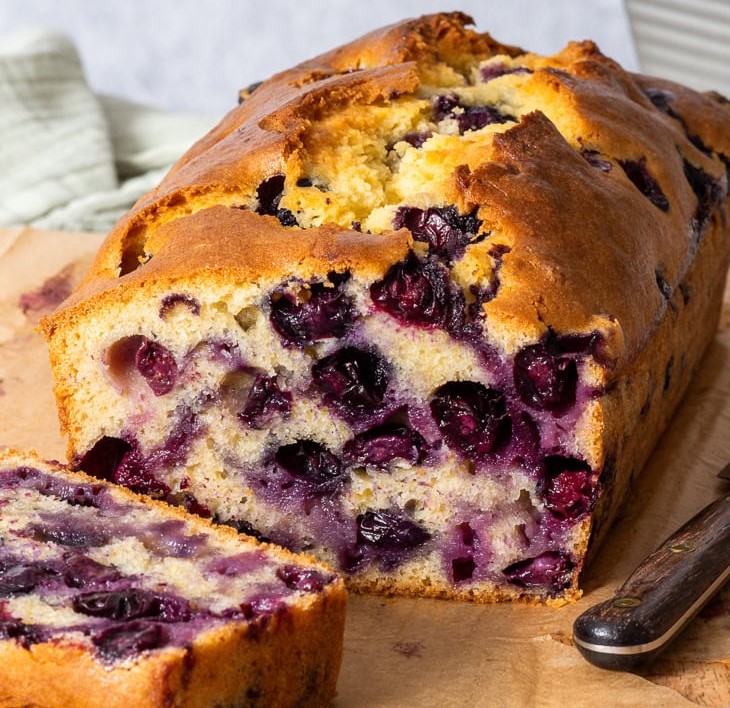
Gluten-Free Blueberry Loaf Cake
A soft and moist gluten-free blueberry loaf packed with fresh blueberries and delicately flavored with lemon zest and vanilla.
10
servings20
minutes1
hour245
kcal60
minutes2
hours20
minutesIngredients
150 g (¾ cup) caster, superfine, or granulated sugar
Finely grated zest of 1 preferably organic, unwaxed lemon
85 g (¾ stick) unsalted butter, melted and slightly cooled
75 g (⅓ cup) full-fat plain or Greek yoghurt, at room temperature
2 large eggs, at room temperature
½ teaspoon vanilla bean paste or 1 teaspoon vanilla extract
240 g (2 cups) plain gluten-free flour blend without xanthan gum
1 teaspoon baking powder
¼ teaspoon baking soda
½ teaspoon xanthan gum; omit if already included in the flour
¼ teaspoon salt
325 g (2½ cups) fresh blueberries
Directions
- Position an oven rack in the centre.
- Preheat the oven to 375°F (190°C).
- Line a 9×5-inch (23×13 cm) loaf tin with parchment.
- Place the sugar and lemon zest in a large bowl.
- Rub them together until fragrant.
- Add the melted butter, yoghurt, eggs, and vanilla.
- Whisk until smooth and evenly combined.
- In another bowl, whisk the flour, baking powder, baking soda, xanthan gum, and salt.
- Add the dry mixture and blueberries to the wet ingredients.
- Fold gently until no dry flour remains.
- Rest the thick batter for 3–4 minutes.
- Transfer the batter to the prepared loaf tin.
- Spread it evenly and smooth the surface.
- Bake for approximately 1 hour.
- Cover loosely with foil if the top browns too quickly.
- Check the centre with a clean toothpick.
- Cool in the tin for 10–15 minutes.
- Transfer the loaf to a wire rack.
- Cool completely before slicing and serving.
Nutrition Facts
10 servings per container
- Amount Per ServingCalories245
- % Daily Value *
- Total Fat
9g
12%
- Total Carbohydrate
39g
15%
- Protein 4g 8%
* The % Daily Value tells you how much a nutrient in a serving of food contributes to a daily diet. 2,000 calories a day is used for general nutrition advice.