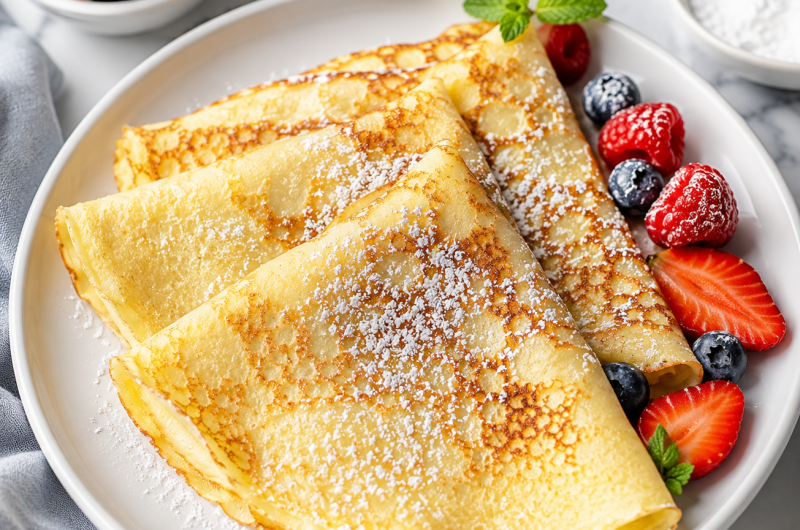
Coconut Flour Keto Crepes are a delicious low-carb alternative to traditional French crepes. They are soft, thin, flexible, and incredibly satisfying while fitting perfectly into a ketogenic or gluten-free lifestyle. Made with coconut flour instead of wheat flour, these homemade keto crepes offer a wonderful texture and a mild flavor that pairs beautifully with both sweet and savory fillings.
Whether you are preparing a healthy breakfast, a light brunch, a quick snack, or an elegant dessert, these crepes are an easy recipe that can be enjoyed any time of the day. Best of all, they require only a handful of simple ingredients and come together quickly, making them an excellent choice for both beginners and experienced home cooks.
Why Coconut Flour Keto Crepes Are So Popular
As more people choose low-carb and gluten-free eating habits, recipes made with coconut flour have become increasingly popular. Coconut flour is naturally lower in carbohydrates than traditional wheat flour while providing more fiber, making it a favorite ingredient in keto baking and cooking. These crepes deliver the classic appearance and flexibility of traditional French crepes without using regular flour.
Their neutral taste allows them to work equally well with sweet toppings such as berries and whipped cream or savory fillings like eggs, cheese, vegetables, and chicken. Their versatility has made them a favorite recipe among keto enthusiasts and anyone looking for healthier homemade breakfast ideas.
Why You Love This Recipe
These Coconut Flour Keto Crepes offer everything you want in a homemade crepe recipe. They are light yet filling, soft yet flexible, and easy to customize for different meals. The batter takes only a few minutes to prepare and uses ingredients that are commonly available in most kitchens. Since the crepes cook quickly in a nonstick skillet, they are perfect for busy mornings or weekend brunches. Their low-carb nature makes them suitable for ketogenic meal plans, while their gluten-free ingredients also make them a great option for those avoiding wheat. Whether filled with sweet or savory ingredients, they provide a satisfying meal without feeling heavy.
A Healthy Low-Carb Breakfast Option
Breakfast often presents one of the biggest challenges for people following a ketogenic lifestyle because many traditional breakfast foods contain large amounts of carbohydrates. These Coconut Flour Keto Crepes provide an excellent solution by offering a breakfast that feels comforting while remaining lower in carbs. The eggs supply high-quality protein, coconut flour contributes fiber, and the overall recipe creates a filling meal that helps keep you satisfied throughout the morning. They are equally suitable for breakfast meal prep since they store and reheat well, making healthy eating more convenient on busy days.
The Secret Behind Their Soft and Flexible Texture
Many people assume that gluten-free crepes cannot achieve the same soft, foldable texture as traditional crepes, but this recipe proves otherwise. The combination of eggs and carefully measured coconut flour creates a batter that cooks into thin, tender crepes with excellent flexibility. Coconut flour absorbs much more liquid than regular flour, so accurate measuring is essential. Allowing the batter to rest before cooking gives the coconut flour time to fully absorb the liquid, creating the perfect consistency for spreading thinly across the skillet. When cooked over moderate heat and flipped gently, the finished crepes become soft enough to fold around your favorite fillings.
Ingredient Overview
Every ingredient in this recipe has an important purpose. Although the list is short, each component contributes to the texture, flavor, and structure of the finished crepes.
Coconut Flour
Coconut flour is the star ingredient in this recipe. Unlike wheat flour, it is naturally gluten-free and rich in dietary fiber while remaining lower in carbohydrates. Because coconut flour absorbs liquid rapidly, careful measuring is extremely important. Even a small amount of extra flour can make the batter overly thick. When used correctly, coconut flour produces light, tender crepes with a pleasant texture and subtle flavor.
Eggs
Eggs play a major role in giving these keto crepes their flexibility and strength. Since there is no gluten to hold the batter together, the eggs provide structure that allows the crepes to be folded without falling apart. They also contribute richness, moisture, and protein while helping the crepes achieve their soft texture.
Milk
Whole milk provides moisture and creaminess that balance the absorbent nature of coconut flour. It creates a smooth batter that spreads easily across the skillet. Depending on dietary preferences, heavy cream, unsweetened almond milk, unsweetened soy milk, or canned coconut milk can also be used while maintaining excellent results.
Cooking Oil
Using a quality cooking oil together with a reliable nonstick skillet is one of the most important factors for successful keto crepes. A light coating of oil prevents sticking and helps the crepes release easily during flipping. Avocado oil is a popular choice because of its mild flavor and high smoke point, although other suitable cooking oils may also be used.
Optional Flavor Additions
These keto crepes are incredibly versatile because they can easily be adapted for both sweet and savory meals. For sweet crepes, vanilla extract adds warmth while keto sweetener or powdered erythritol provides pleasant sweetness without adding significant carbohydrates. Fresh berries, whipped cream, sugar-free chocolate spread, or keto syrup make wonderful fillings. For savory crepes, a little sea salt, herbs, or favorite spices transform the batter into the perfect base for fillings such as cheese, spinach, scrambled eggs, chicken, mushrooms, or smoked salmon.
Why Resting the Batter Matters
One small but very important step in this recipe is allowing the batter to rest before cooking. Coconut flour absorbs liquid much more slowly than wheat flour. Resting the batter for one to two minutes gives the flour enough time to hydrate completely, producing a smoother consistency that spreads more evenly in the pan. After resting, a quick whisk helps eliminate any remaining lumps and creates a batter that cooks into thin, delicate crepes with an even texture.
A Recipe Suitable for Many Occasions
These Coconut Flour Keto Crepes are much more versatile than ordinary pancakes. They can be served as a healthy weekday breakfast, an elegant weekend brunch, a satisfying lunch, or even a low-carb dessert. Their neutral flavor allows endless filling combinations that suit nearly every occasion. Serve them rolled, folded, or layered with your favorite ingredients for an attractive presentation that looks as impressive as it tastes. Because they are naturally gluten-free and low in carbohydrates, they also accommodate a variety of dietary preferences while still delivering delicious homemade flavor.
Fresh Ingredients Produce Better Crepes
Although this recipe contains only a few ingredients, choosing fresh, high-quality products makes a noticeable difference. Fresh eggs improve texture and structure, accurately measured coconut flour produces lighter crepes, and good-quality milk creates a smoother batter. Using a reliable nonstick skillet and fresh cooking oil also helps prevent sticking and ensures beautifully cooked crepes with lightly golden surfaces. Paying attention to these simple details results in keto crepes that are soft, tender, flavorful, and enjoyable with both sweet and savory fillings.
Step-by-Step Preparation
Making Coconut Flour Keto Crepes is much easier than many people expect. Although gluten-free crepes are slightly more delicate than traditional wheat crepes, following the proper technique results in soft, flexible, and beautifully thin crepes every time. The secret lies in preparing a smooth batter, allowing it to rest, cooking over moderate heat, and flipping gently. Once you become familiar with the process, these homemade keto crepes can become one of your favorite low-carb breakfast recipes for everyday meals or special occasions.
Step 1: Beat the Eggs
Crack the three large eggs into a medium-sized mixing bowl and whisk them until the yolks and whites are fully combined. This creates a smooth foundation for the batter and helps distribute the eggs evenly throughout the mixture. Properly whisked eggs also contribute to the light texture and flexibility that make these keto crepes easy to fold without breaking.
Step 2: Add the Milk
Pour the whole milk into the whisked eggs and continue mixing until the ingredients become completely blended. The milk helps create a smooth, pourable batter while adding richness to the finished crepes. If you are using one of the suggested alternatives such as heavy cream, unsweetened almond milk, unsweetened soy milk, or canned coconut milk, mix thoroughly until the liquid is fully incorporated.
Step 3: Add the Coconut Flour
Slowly sprinkle the coconut flour into the wet mixture while whisking continuously. Adding the flour gradually helps prevent lumps from forming. Since coconut flour absorbs moisture very quickly, patience during this step is important. Continue whisking until the batter appears smooth and well combined. If small lumps remain, continue whisking gently until they disappear.
Step 4: Allow the Batter to Rest
Let the prepared batter rest for 1 to 2 minutes. During this short resting period, the coconut flour absorbs the liquid and thickens naturally. After resting, whisk the batter once more to restore a smooth consistency. If the batter appears too thick to spread easily, add a very small amount of milk and stir gently until the desired consistency is reached.
Step 5: Heat the Skillet
Place an 8-inch nonstick skillet over medium heat. Allow the pan to heat evenly before adding any batter. Lightly grease the cooking surface with oil, making sure it is evenly coated. A high-quality nonstick pan is especially important because these gluten-free crepes are more delicate than traditional crepes and release much more easily from a smooth cooking surface.
Step 6: Pour and Spread the Batter
Pour slightly less than one-third cup of batter into the center of the hot skillet. Immediately lift the pan and gently swirl it in a circular motion so the batter spreads into a thin, even layer. Working quickly during this step helps create the classic thin crepe shape before the batter begins to set.
Step 7: Cook the First Side
Cook the crepe for approximately 2 to 3 minutes over medium heat. As it cooks, the surface will develop small bubbles while the edges begin to set. The underside should become lightly golden without browning too quickly. Moderate heat allows the crepe to cook evenly while remaining soft and flexible.
Step 8: Flip Carefully
Using a wide, thin spatula, gently loosen the edges before carefully sliding the spatula underneath the crepe. Flip it slowly in one smooth motion. Because coconut flour crepes are softer than wheat-based crepes, gentle handling helps prevent tearing. Taking your time during this step leads to much better results.
Step 9: Finish Cooking
Cook the second side for approximately 30 seconds to 1 minute. The second side requires less time because most of the cooking has already taken place. Once lightly golden, carefully transfer the finished crepe onto a plate.
Step 10: Repeat the Process
Lightly grease the skillet again before cooking the next crepe. Repeat the same process until all the batter has been used. Stack the finished crepes on a plate and loosely cover them with foil to help retain warmth while you prepare the remaining batch.
Sweet Filling Ideas
These Coconut Flour Keto Crepes have a wonderfully neutral flavor, making them perfect for low-carb sweet breakfasts and desserts. Fill them with whipped cream and fresh strawberries for a refreshing breakfast, or spread sugar-free chocolate spread inside for a richer dessert. Fresh blueberries, raspberries, blackberries, and sliced strawberries all complement the delicate coconut flavor beautifully. Peanut butter, keto syrup, and a light dusting of powdered erythritol also create simple yet delicious serving options that remain suitable for a ketogenic lifestyle.
Savory Filling Ideas
These crepes are equally delicious when served as a savory meal. Fill them with cheese and sautéed spinach for a satisfying breakfast, or use scrambled eggs with herbs for a protein-rich brunch. Ham and cheese create a classic combination, while chicken and mushrooms provide a hearty lunch option. Smoked salmon paired with cream cheese and fresh herbs offers an elegant filling suitable for weekend brunches or special occasions.
Common Mistakes to Avoid
Even though this recipe is straightforward, avoiding a few common mistakes helps ensure consistently excellent results.
Adding Too Much Coconut Flour
Coconut flour absorbs considerably more liquid than traditional flour. Measuring it carefully is essential because adding too much creates a batter that becomes thick and produces heavy crepes rather than thin, flexible ones.
Cooking Over High Heat
High temperatures may brown the outside before the center cooks properly. Medium heat allows the crepes to cook evenly while maintaining their soft texture and attractive golden color.
Skipping the Batter Rest
Allowing the batter to rest is a small step that makes a significant difference. The resting period gives the coconut flour enough time to fully absorb moisture, creating a smoother and easier-to-handle batter.
Using a Worn Nonstick Pan
Old or damaged nonstick cookware often causes delicate crepes to stick and tear during flipping. A smooth, well-maintained skillet greatly improves cooking results.
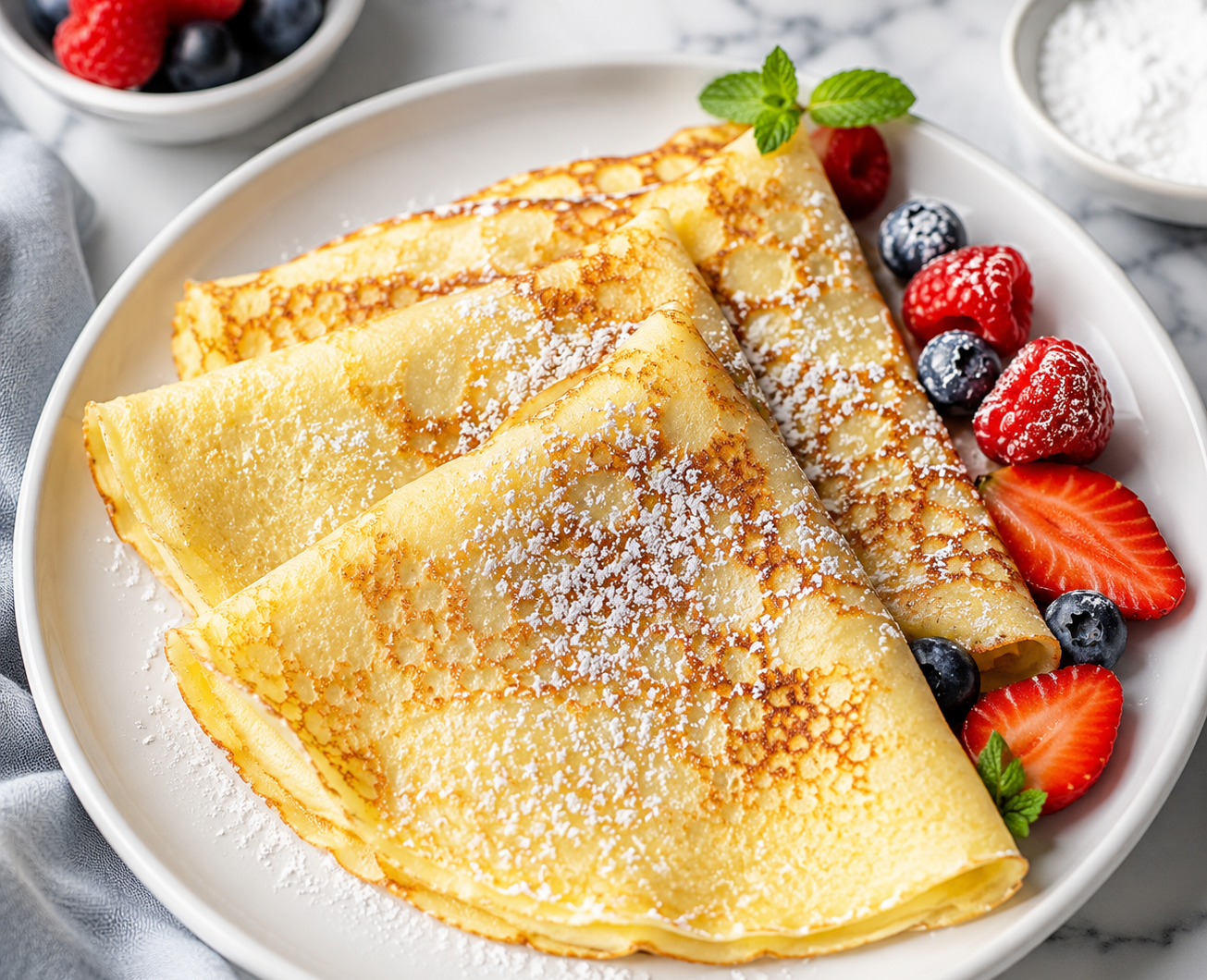
Coconut Flour Keto Crepes
These Coconut Flour Keto Crepes are soft, light, and flexible low-carb crepes made with coconut flour instead of traditional wheat flour. Naturally gluten-free and keto-friendly, they are perfect for breakfast, brunch, dessert, or a quick snack.
6
servings15
minutes15
minutes105
kcalIngredients
- For the Crepe Batter
3 large eggs
1/2 cup whole milk, plus 2 tablespoons
1 ounce coconut flour (about 1/4 cup, measured carefully)
Cooking oil, for greasing the pan (avocado oil works well)
- Optional Flavor Additions
For Sweet Crepes 1 teaspoon vanilla extract
Keto sweetener or powdered erythritol
- For Savory Crepes
1/2 teaspoon sea salt
Herbs or spices
Directions
- Beat the Eggs
Crack the eggs into a medium mixing bowl.
Whisk until smooth and fully combined. - Add the Milk
Pour the whole milk into the eggs.
Whisk thoroughly until the mixture becomes smooth. - Mix in the Coconut Flour
Gradually sprinkle the coconut flour into the wet ingredients.
Continue whisking until a smooth batter forms and any small lumps disappear. - Rest the Batter
Allow the batter to rest for 1 to 2 minutes.
Whisk once more after resting to create a smooth consistency. - Prepare the Pan
Heat an 8-inch nonstick skillet over medium heat.
Lightly grease the cooking surface with cooking oil. - Cook the First Side
Pour slightly less than 1/3 cup of batter into the skillet.
Immediately swirl the pan so the batter spreads into a thin, even circle.
Cook for 2 to 3 minutes, or until the surface becomes bubbly and the underside is lightly golden. - Flip Carefully
Using a wide spatula, gently loosen the edges.
Carefully flip the crepe in one smooth motion. - Finish Cooking
Cook the second side for 30 seconds to 1 minute.
Transfer the finished crepe to a plate. - Repeat
Lightly grease the skillet again before cooking each remaining crepe.
Stack the finished crepes on a plate and loosely cover with foil to keep warm. - Fill and Serve
Serve warm with your preferred fillings.
Nutrition Facts
6 servings per container
- Amount Per ServingCalories105
- % Daily Value *
- Total Carbohydrate
5g
2%
- Protein 7g 15%
* The % Daily Value tells you how much a nutrient in a serving of food contributes to a daily diet. 2,000 calories a day is used for general nutrition advice.