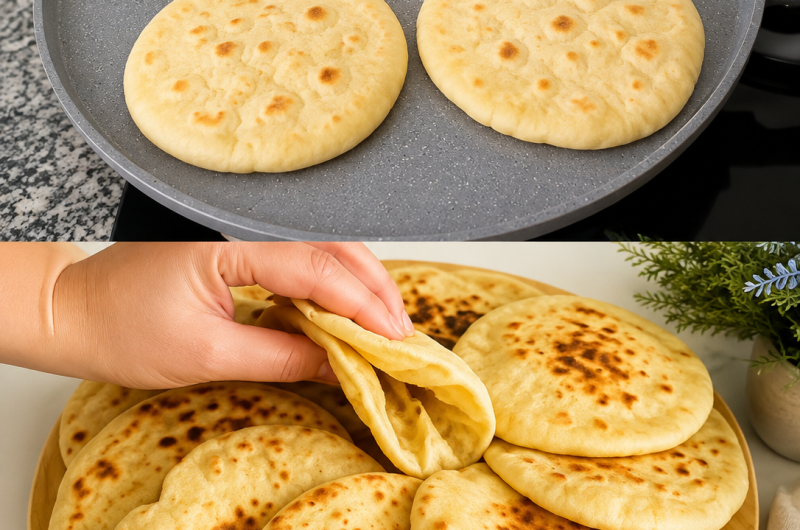
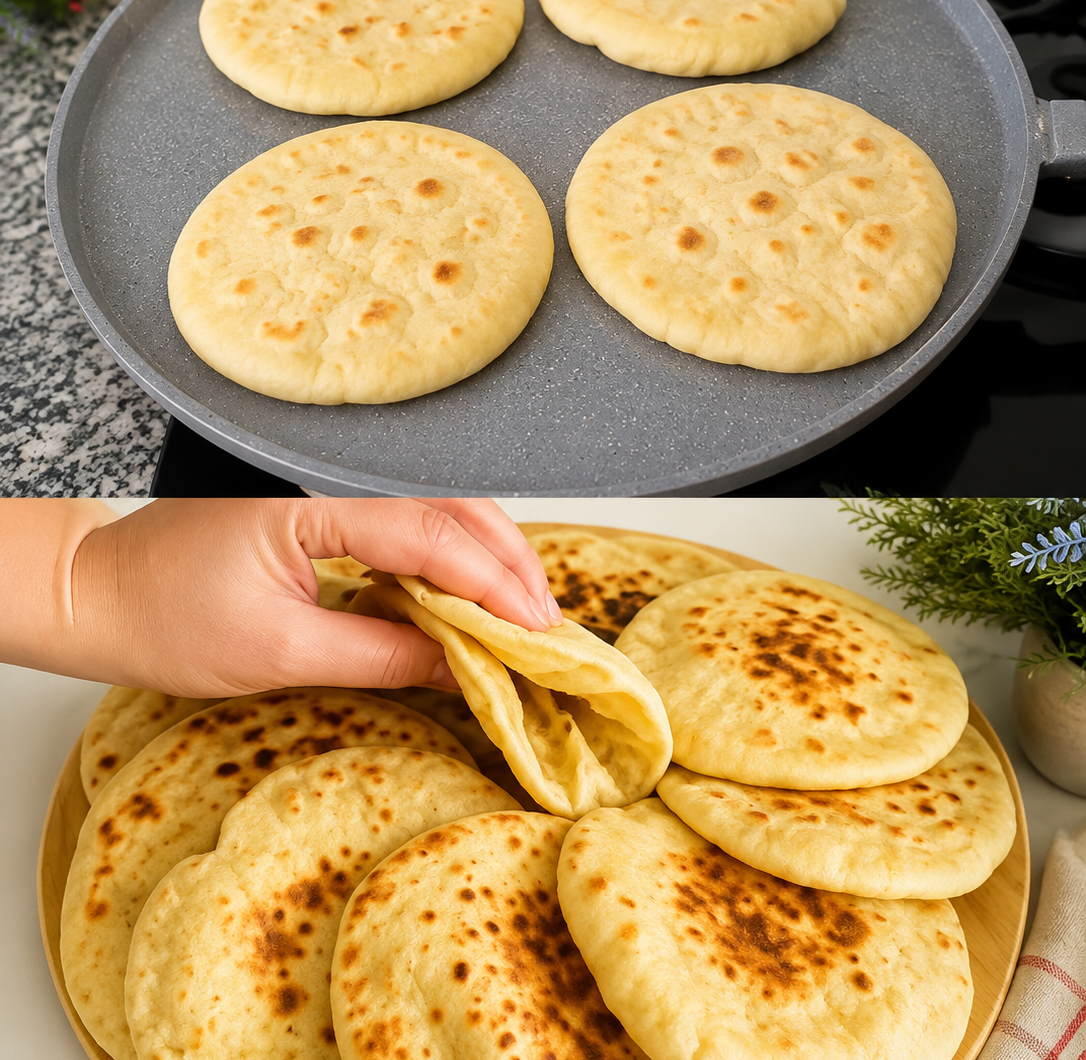
This 3-Ingredient Keto Flatbread is a quick and practical bread alternative made without flour, yeast, almond flour, or coconut flour. It has a soft, flexible texture that works beautifully for wraps, sandwiches, breakfast rolls, and personal pizza bases. You can prepare it in a frying pan when you need something fast or bake it in the oven for a slightly firmer finish.
Many people following a ketogenic diet miss the convenience of ordinary bread. Most traditional flatbread recipes depend on wheat flour, which contains a significant amount of carbohydrates. This flourless keto flatbread replaces the usual flour-based dough with mozzarella cheese, cream cheese, and egg, creating a satisfying low-carb option from ingredients commonly found in a keto kitchen.
The recipe requires only a few minutes of preparation and does not involve kneading, proofing, or rolling out dough. Once the cheeses have melted, they combine with the egg to produce a smooth mixture that becomes lightly golden as it cooks. The finished bread has a mild, cheesy taste that pairs well with savory breakfast fillings, grilled meats, salads, and numerous low-carb toppings.
Why You Will Love This Easy Keto Flatbread
This easy keto flatbread recipe is especially useful when you want homemade low-carb bread without buying specialty ingredients. There is no need to measure several types of flour, activate yeast, or wait for dough to rise. With only three ingredients and two cooking options, it offers a straightforward solution for quick meals, weekly meal preparation, or last-minute snacks.
The flatbread is also naturally flourless and can be gluten-free when all three packaged ingredients are certified or clearly labeled gluten-free. Its tender but stable texture makes it easier to fold than many dry low-carb breads. It can hold eggs, sliced meat, tuna salad, avocado, or grilled vegetables without immediately cracking or falling apart when handled carefully.
Another advantage is its versatility. You can cook one flatbread in a pan for a fast meal or use the oven when you prefer more even browning. A shorter cooking time produces a soft keto wrap, while a little additional cooking creates firmer bread that can support pizza toppings. This flexibility allows one basic recipe to serve several different purposes.
What Makes This Flatbread Keto-Friendly?
Traditional flatbread is generally made with wheat flour, water, salt, and sometimes yeast or oil. Wheat flour provides structure, but it also contributes most of the carbohydrates. This keto-friendly flatbread avoids flour completely. Mozzarella forms the foundation, cream cheese provides softness, and the egg binds the mixture so it holds together during cooking.
The ingredients are naturally low in carbohydrates compared with ordinary flour-based bread. They also supply protein and fat, which can make the flatbread more filling. Exact carbohydrate content will depend on the brands used because some packaged cheeses contain added starches or other ingredients. Checking the nutrition labels is therefore helpful when closely tracking daily net carbohydrate intake.
Although this flatbread can fit into a ketogenic eating plan, serving size and toppings still matter. Fillings such as eggs, chicken, tuna, avocado, or leafy vegetables generally keep the meal relatively low in carbohydrates. Sweet sauces, regular ketchup, breaded meat, and high-sugar dressings can increase the total carbohydrate count even when the flatbread itself remains keto-friendly.
The Role of Mozzarella Cheese
Mozzarella cheese is the main structural ingredient in this flourless keto flatbread. When heated, it melts and stretches, producing a cohesive base that behaves somewhat like a soft dough. Its mild flavor also makes the finished bread suitable for a wide range of fillings without overpowering eggs, chicken, beef, vegetables, or other ingredients placed inside it.
Freshly shredded low-moisture mozzarella often melts more smoothly than pre-shredded cheese. Packaged shredded mozzarella may contain anti-caking agents that can affect how easily it combines with the cream cheese. However, either option may work if the cheese is melted carefully and stirred until smooth. Avoid overheating it because excessively hot cheese can make adding the egg more difficult.
Low-moisture mozzarella is generally more suitable than fresh mozzarella stored in liquid. Fresh mozzarella contains more water, which can make the mixture loose and prevent the flatbread from becoming firm enough to flip or lift. If possible, choose a firm block of mozzarella and shred it shortly before preparing the recipe for consistent melting and texture.
Why Cream Cheese Is Important
Cream cheese contributes moisture, richness, and tenderness. Mozzarella alone may become firm or rubbery after cooking, but cream cheese helps soften the texture and makes the mixture easier to spread. Only two tablespoons are required, yet this small quantity significantly improves the finished flatbread’s flexibility and pleasant mouthfeel.
For easier mixing, allow the cream cheese to soften slightly before melting it with the mozzarella. Cold cream cheese can still be used, but it may need extra heating and stirring to become completely smooth. Full-fat cream cheese is generally a suitable choice for keto cooking and produces a richer result, although the nutrition values will vary by brand.
The cream cheese and mozzarella should be stirred thoroughly after heating. A smooth cheese mixture helps distribute the egg evenly and prevents small pockets of cream cheese from remaining in the bread. If the cheeses begin to firm before the egg is added, warm them for a few more seconds, stir again, and then continue once the mixture is smooth.
How the Egg Holds Everything Together
The egg works as the binding ingredient in this three-ingredient keto bread. It adds moisture and protein while helping the melted cheeses form one stable piece during cooking. Without the egg, the cheese mixture would be more likely to separate, release grease, or become difficult to shape into a usable wrap or flatbread.
The melted cheese should be warm and smooth but not extremely hot when the egg is added. If it is overheated, the egg can begin cooking before it has been incorporated properly. Allow the mixture to stand briefly if necessary, then stir vigorously until no visible streaks of egg remain and the consistency looks evenly combined.
Use one large egg as specified in the original recipe. A much larger egg may create a thinner mixture, while a small egg may not provide enough moisture and binding power. Mixing thoroughly is essential because an evenly distributed egg helps the flatbread cook at a consistent rate and reduces the risk of weak areas that may tear during flipping.
Why This Recipe Works
The success of this recipe comes from the way the three ingredients perform different jobs. Melted mozzarella provides elasticity and structure, cream cheese keeps the bread tender, and egg binds the mixture. Together, they form a spreadable batter-like dough that firms as heat sets the egg and browns the cheese around the edges.
Unlike ordinary yeast bread, this mixture does not rise significantly. Its appeal comes from its soft texture, quick preparation, and ability to carry fillings. Spreading it evenly is important because thick areas may stay too soft while thin edges can brown quickly. Aim for a uniform circle or rectangle so every section finishes cooking at approximately the same time.
Cooling the bread for a few minutes is another important part of the process. It may feel delicate immediately after leaving the pan or oven, but it becomes more stable as the melted cheese cools. This short resting period makes it easier to lift, slice, fold, or use as a low-carb pizza crust.
How to Make Keto Flatbread in a Frying Pan
The pan method is ideal when you want one quick flatbread without heating the oven. A good non-stick frying pan makes the process easier because the cheese mixture can cling to an uncoated surface. Heat the pan over low-medium heat and avoid using high heat, which may burn the bottom before the centre becomes firm.
Spread the prepared mixture into an even circle using the back of a spoon or a silicone spatula. Let the first side cook undisturbed for three to four minutes. The flatbread should look set around the edges and golden underneath before you attempt to turn it. Flipping too early is one of the main reasons a cheese-based flatbread can tear.
Use a wide spatula to loosen the edges and support as much of the flatbread as possible. Turn it carefully, then cook the second side for another three to four minutes. Exact timing depends on the pan, thickness, and heat level. Remove it when both sides are lightly golden and the centre no longer appears wet.
How to Bake Keto Flatbread in the Oven
The oven method provides even heat and produces a flatbread that is usually a little firmer than the pan-cooked version. Preheat the oven fully to 375°F or 190°C before baking. Line the tray with parchment paper so the cheese mixture can be removed easily without sticking to the metal surface.
Spread the mixture into a thin, even circle or rectangle. Try not to leave narrow edges because they can become overly crisp before the middle is ready. Bake for 12 to 15 minutes, watching closely near the end. It is finished when the surface looks set and the edges have developed a light golden color.
After baking, allow the flatbread to cool on the tray for a few minutes. Carefully peel it away from the parchment rather than pulling the paper quickly. For a firmer pizza base, it can be baked slightly longer, but excessive baking will reduce flexibility and may make the edges too crisp for folding.
Pan Method Versus Oven Method
Both cooking methods produce a useful low-carb flatbread, but the results are slightly different. Pan cooking is faster and convenient for a small batch. It gives you direct control over browning and does not require preheating an oven. However, the bread must be flipped carefully, and managing the temperature is important to prevent burning.
Oven baking takes a little longer but cooks the mixture evenly and does not require flipping. It is particularly convenient when preparing more than one portion or making a rectangular base for sandwiches or pizza. The baked version is generally easier to make firm, while the pan version can stay especially soft and flexible.
Choose the method according to how you plan to serve the bread. For a breakfast wrap, a softly cooked pan version works well. For pizza or an open sandwich with several toppings, the slightly firmer oven-baked version may provide better support. Either method uses exactly the same three original ingredients.
Best Ways to Serve Keto Flatbread
For breakfast, fill the flatbread with scrambled eggs, cheese, cooked bacon, or sausage. Let the bread cool slightly before adding a hot filling so it remains strong enough to fold. It can also be used as the outer layer of a breakfast sandwich, especially when prepared in a smaller, thicker circle.
At lunchtime, use it as a wrap for grilled chicken, turkey, tuna salad, or sliced beef. Add low-carb vegetables such as lettuce, cucumber, spinach, or a small amount of tomato for freshness. Avoid adding too much wet dressing because excess moisture can soften the bread and make it more difficult to hold.
For dinner, the baked flatbread can become a personal keto pizza base. Bake it until set, add a moderate amount of low-sugar pizza sauce, cheese, and preferred toppings, then return it to the oven until the toppings are heated. It is also suitable alongside soup, salad, roasted meat, or low-carb vegetable dishes.
Optional Flavor Ideas
The basic recipe has a mild cheese flavor, making it easy to customize after you are comfortable with the original method. Garlic powder can provide a savory garlic-bread taste, while oregano or Italian seasoning complements pizza toppings. Onion powder, chili flakes, black pepper, or a light sprinkle of Parmesan can also provide additional flavor.
Any seasoning or additional cheese is optional and is not part of the original three-ingredient formula. Begin with a small quantity because mozzarella and cream cheese already contribute salt and richness. Dry seasonings are generally easier to use than liquid flavorings, which may add too much moisture and alter the consistency of the mixture.
You can also change the flavor through fillings rather than changing the flatbread mixture. Chicken with herbs, eggs with black pepper, tuna with cucumber, or avocado with chili flakes can each create a different meal while preserving the simple original recipe. This approach is particularly useful when preparing several flatbreads for weekly meal planning.
How to Prevent Sticking or Tearing
A non-stick pan or parchment-lined baking tray is important because melted cheese naturally becomes sticky. If using the pan method, make sure the underside is properly set before flipping. The edges should release with gentle pressure from a spatula. If they still look very soft, allow the bread to cook a little longer.
Keep the cooking temperature moderate. High heat may create a dark crust quickly while leaving the centre too weak to turn. Low-medium heat gives the egg time to set and allows the cheese to brown gradually. An evenly spread mixture is also easier to handle because there are no heavy sections pulling against thinner ones.
Finally, let the cooked bread rest before folding or loading it with ingredients. Cheese-based bread continues to firm as it cools. A waiting time of only a few minutes can make a noticeable difference. Handle it gently, especially when it is warm, and use a broad spatula rather than narrow utensils when transferring it.
Storage and Meal Preparation
Allow leftover flatbreads to cool completely before storing them. Placing warm bread in a sealed container can trap condensation, producing a wet or overly soft surface. Once cooled, place the bread in an airtight container and refrigerate it for up to four days. Separate multiple pieces with parchment paper to stop them from sticking together.
For longer storage, arrange cooled flatbreads between sheets of parchment paper and place them in a freezer-safe container or bag. They can be frozen for up to two months. The parchment allows you to remove one piece at a time without thawing the entire batch, making this recipe convenient for quick breakfasts and lunches.
Thaw frozen flatbread in the refrigerator or warm it gently from frozen. Texture may be slightly softer after freezing, but careful reheating can restore much of its flexibility. Avoid repeatedly freezing and thawing the same pieces. Portioning them before storage makes it easier to use only what is needed for each meal.
How to Reheat Keto Flatbread
To reheat the flatbread in the oven, place it on a lined tray and warm it at 350°F or 175°C for three to five minutes. This method is helpful when you want to restore a slightly firm surface. Watch it carefully because the bread has already been cooked and can become overly crisp if heated too long.
For a quick result, warm it in a dry non-stick pan for one to two minutes on each side over low heat. Pan reheating works particularly well for wraps because it warms the bread without making it excessively soft. Allow it to rest briefly, add the filling, and fold it while it remains flexible.
A microwave is the fastest option. Heat the flatbread for approximately 15 to 20 seconds, checking after the shorter time. Microwave reheating may make it very soft, so let it stand briefly before lifting it. Heating for too long can cause the cheese to release oil or give the bread a rubbery texture.
Common Mistakes to Avoid
One common mistake is adding the egg while the cheese mixture is extremely hot. This can partially scramble the egg and make the mixture uneven. Stir the melted cheeses until smooth and wait briefly if they appear excessively hot. The mixture should remain warm and workable when the egg is incorporated.
Another mistake is spreading the mixture too thickly. A thick centre takes longer to set and can remain fragile when the outside already looks brown. Spread it into a consistently thin layer, especially when planning to use it as a wrap. For pizza, it can be slightly thicker, but it still needs an even shape.
Overcooking is also worth avoiding unless you intentionally want keto chips or a crisp pizza base. A deeply browned flatbread becomes less flexible and may crack when folded. Remove it when it is lightly golden and set, then allow cooling time to strengthen the structure without sacrificing the soft texture.
Is This Flatbread Really Gluten-Free?
The core ingredients—mozzarella cheese, cream cheese, and egg—do not naturally contain gluten. However, manufacturing practices and added ingredients can vary among brands. If you have celiac disease or a medically diagnosed gluten sensitivity, check every package for a gluten-free label and possible cross-contamination warnings before preparing the recipe.
Pre-shredded mozzarella sometimes contains starch to keep the pieces separate. The starch may affect both carbohydrate content and suitability for people who need strict gluten avoidance. Shredding mozzarella from a block gives you more control, although checking the block’s label is still sensible. Use clean utensils and surfaces when preventing gluten exposure is medically necessary.
Important Notes
This 3-Ingredient Keto Flatbread proves that a useful bread substitute does not need a lengthy ingredient list or complicated technique. Mozzarella, cream cheese, and egg combine to produce a soft, satisfying base that can become a breakfast wrap, sandwich bread, soup accompaniment, or simple low-carb pizza crust.
The pan method offers speed, while the oven method provides even browning and a firmer result. Once you understand the ideal thickness and cooking time, the recipe is easy to adapt to different meals. Its simple preparation, familiar ingredients, and convenient storage make it a practical addition to a low-carb weekly meal plan.
3-Ingredient Keto Flatbread
A soft and flexible low-carb flatbread made with mozzarella, cream cheese, and egg. This quick flourless recipe can be cooked in a frying pan or baked in the oven and used for wraps, sandwiches, breakfast rolls, or a personal keto pizza base.
4
servings5
minutes8
minutes125
kcal13
minutesIngredients
1 cup shredded mozzarella cheese
2 tablespoons cream cheese
1 large egg
Directions
- Pan Instructions
- Melt mozzarella and cream cheese in a microwave-safe bowl.
- Stir the melted cheeses until smooth.
- Add the egg and mix thoroughly.
- Heat a non-stick pan over low-medium heat.
- Spread the mixture into an even circle.
- Cook for 3–4 minutes until the bottom is golden.
- Flip carefully with a wide spatula.
- Cook the second side for 3–4 minutes.
- Cool briefly, slice, and serve.
- Oven Instructions
- Preheat the oven to 375°F (190°C).
- Line a baking tray with parchment paper.
- Melt the mozzarella and cream cheese together.
- Stir until the cheese mixture is smooth.
- Add the egg and mix thoroughly.
- Spread evenly into a thin circle or rectangle.
- Bake for 12–15 minutes until lightly golden.
- Cool briefly before removing from the parchment.
- Slice and serve.
Nutrition Facts
4 servings per container
- Amount Per ServingCalories125
- % Daily Value *
- Total Fat
10g
13%
- Total Carbohydrate
2g
1%
- Protein 9g 18%
* The % Daily Value tells you how much a nutrient in a serving of food contributes to a daily diet. 2,000 calories a day is used for general nutrition advice.