Homemade gluten-free pasta is a simple way to prepare fresh pasta at home without traditional wheat flour. Made primarily with gluten-free flour blend, xanthan gum, and eggs, this dough has a soft, workable texture that can be rolled and shaped into several popular types of pasta. The recipe also includes a small amount of olive oil as an optional ingredient for those who want to use it.
Fresh gluten-free pasta can be used for everything from an easy family dinner to a more elaborate homemade pasta dish. Once you understand how the dough should feel, the same basic recipe can be transformed into tagliatelle, fettuccine, pappardelle, ravioli, tortellini, or homemade gluten-free lasagna sheets. It can be rolled with a pasta machine or prepared by hand, making the recipe accessible even without specialist equipment.
Why Make Gluten-Free Pasta at Home?
Making pasta from scratch gives you more control over its texture, thickness, and shape. Packaged gluten-free pasta is convenient, but fresh homemade pasta provides a completely different cooking experience. You prepare the dough yourself, roll it to your preferred thickness, cut it into the shape required for your dish, and cook it within just a few minutes.
This homemade gluten-free pasta recipe is also remarkably straightforward considering how versatile the finished dough can be. Instead of requiring several individual gluten-free flours and starches, it starts with a gluten-free flour blend. Xanthan gum provides important structure, while eggs bring the mixture together and contribute richness, moisture, and color. Optional olive oil can also be included as listed in the original recipe.
A Simple Gluten-Free Pasta Dough
Traditional fresh pasta recipes commonly depend on wheat flour, where gluten contributes elasticity and strength. Gluten-free pasta needs a different approach because there is no wheat gluten to provide that same structure. In this recipe, xanthan gum plays an important role in helping the dough become flexible enough for rolling and shaping.
The eggs are equally important. They provide the moisture needed to transform the dry ingredients into dough while also supplying protein and richness. When the flour blend, xanthan gum, and eggs are properly combined and kneaded, the result should be a smooth, firm dough that holds together without being excessively sticky or crumbly.
Understanding the Ingredients
Although homemade pasta can sound complicated, this recipe relies on a very short ingredient list. The main ingredients are 200 grams of gluten-free flour blend, one teaspoon of xanthan gum, and three large eggs. Half a tablespoon of olive oil is also listed as optional. Each ingredient has a specific purpose, so maintaining the original measurements is important for achieving the intended dough.
Gluten-free flour blends can vary significantly in their composition and ability to absorb moisture. For that reason, the exact feel of the dough may differ slightly depending on the blend being used. Learning to recognize the correct consistency is therefore just as useful as following the measurements when making fresh gluten-free pasta at home.
Choosing a Gluten-Free Flour Blend
The gluten-free flour blend forms the foundation of this homemade pasta dough. The recipe calls for 200 grams, equivalent to approximately 1⅔ cups. Because flour blends may contain different combinations of rice flour, starches, or other gluten-free ingredients, one brand may behave somewhat differently from another during mixing and rolling.
For the most consistent results, weighing the flour with a digital kitchen scale is helpful because 200 grams is more precise than measuring flour by volume. Whichever blend you choose, make sure it is clearly suitable for your dietary requirements. If preparing pasta for someone who must strictly avoid gluten, also check the product packaging for appropriate gluten-free labeling.
Why Xanthan Gum Matters in Gluten-Free Pasta
Xanthan gum is a small ingredient with an important job in this recipe. Traditional wheat pasta receives much of its elasticity from gluten. Without that gluten network, a gluten-free dough can be more likely to crack, crumble, or tear while being rolled. Xanthan gum helps provide additional binding and flexibility.
Only one teaspoon is required for the full batch of pasta dough. It should be mixed thoroughly with the gluten-free flour before the eggs are incorporated. Distributing it evenly through the flour helps ensure that the finished dough has a consistent structure rather than having some sections that are easier to roll than others.
The Role of Eggs
Three large eggs provide most of the liquid for this homemade gluten-free pasta. Eggs help bind the flour and xanthan gum together while contributing richness and the familiar golden appearance associated with fresh egg pasta. They also provide protein and help the pasta maintain its structure when rolled, cut, and eventually cooked.
Because egg size and gluten-free flour blends can vary slightly, the exact moisture balance may occasionally need attention while working with the dough. The supplied recipe suggests adding a small amount of beaten egg if the dough feels too dry. Any adjustment should be gradual because adding too much liquid can quickly make gluten-free pasta dough sticky.
Optional Olive Oil
The ingredient list includes half a tablespoon of olive oil as an optional addition. It can contribute to a smoother-feeling dough and may make the mixture easier to handle. Because it is explicitly optional in the source recipe, you can prepare the pasta with or without it rather than treating it as one of the three required main ingredients.
If you decide to use the olive oil, keep the quantity at the stated half tablespoon. There is no need to add a larger amount. Homemade pasta depends on maintaining the correct balance between dry and wet ingredients, so unnecessary additional liquid could change the consistency and make the dough more difficult to roll.
How to Make Gluten-Free Pasta Dough
Begin by combining the gluten-free flour blend and xanthan gum. Whisking these dry ingredients together before adding the eggs distributes the xanthan gum throughout the flour. Once combined, create a well in the center of the flour mixture and place the eggs inside.
Gradually mix the eggs into the surrounding flour until a rough dough begins to form. At first, the mixture may look uneven, but it should gradually come together as the flour absorbs moisture from the eggs. Once it is cohesive enough to handle, transfer the dough to a lightly floured work surface for kneading.
Kneading Gluten-Free Pasta Dough
Kneading gluten-free pasta serves a somewhat different purpose from kneading traditional wheat dough. There is no gluten network to develop, but kneading still helps distribute moisture evenly and turns the rough mixture into a smoother, more uniform ball of dough.
Knead the dough for approximately two to three minutes as directed in the source recipe. When ready, it should feel firm and smooth enough to handle while holding together easily. It should not feel extremely sticky, nor should it crack excessively when gently pressed or shaped. A workable consistency makes the later rolling process considerably easier.
Recognizing the Correct Dough Texture
Texture is one of the most important parts of successful homemade gluten-free pasta. The finished dough should form a smooth ball and feel slightly firm. It should hold together when moved or pressed without leaving a sticky layer on your hands or breaking immediately into dry pieces.
If the mixture seems excessively dry and refuses to come together, the source recommends adding a small amount of beaten egg. If it feels too wet or sticky, a little additional gluten-free flour may help. Make adjustments carefully and in small amounts, because it is much easier to add more than to correct an excessively wet or dry dough.
Dividing the Pasta Dough
Once the dough is smooth, divide it into four portions. Working with smaller pieces makes rolling easier and provides better control over thickness. Keep the portions you are not currently using covered so their surfaces do not dry out while you work on the first section.
This step is particularly important with gluten-free pasta because exposed dough can lose moisture relatively quickly. A dried surface becomes more likely to crack as it passes through a pasta machine or is rolled with a rolling pin. Keeping unused dough covered helps preserve its flexibility until you are ready to work with it.
Rolling Gluten-Free Pasta by Hand
A pasta machine is convenient but not essential. If you are rolling the dough by hand, take one portion and flatten it into a rough rectangle on a lightly floured surface. Use a rolling pin to gradually make the sheet thinner, applying steady, even pressure rather than trying to reach the final thickness immediately.
The source also suggests folding the dough into thirds and rolling it again. This can help produce a smoother sheet. Continue rolling until the dough reaches a thickness suitable for your chosen pasta shape. Try to maintain an even thickness across the sheet because uneven sections may cook at different rates.
Using a Pasta Machine
A pasta machine can make it easier to create consistently thin sheets. Begin at the widest setting rather than forcing the dough through a narrow setting immediately. Feed one portion through the machine, then gradually move through thinner settings as the pasta sheet becomes smoother and longer.
Passing the dough through each setting twice can help produce a more even sheet. If the surface begins to stick, dust it lightly with gluten-free flour. Avoid covering it with excessive flour, however, because too much additional flour can dry the dough and make it more difficult to shape.
Pasta Shapes You Can Make
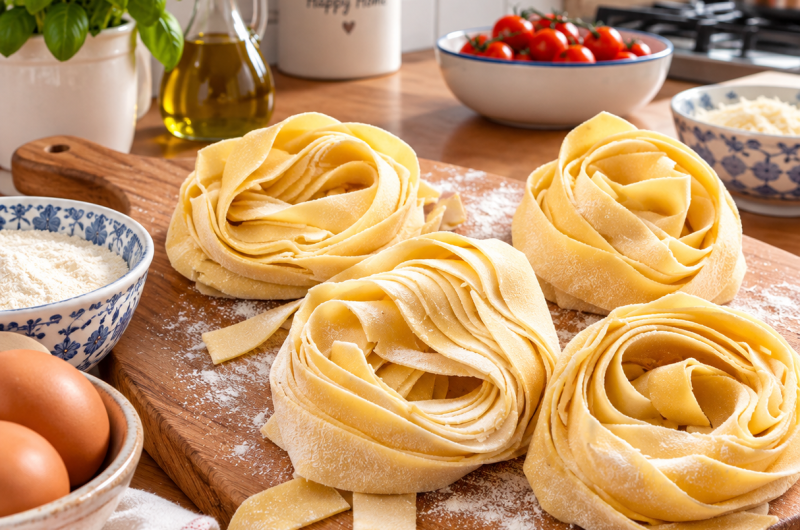
One of the strongest advantages of this gluten-free pasta dough is its versatility. Once rolled into thin sheets, it can be cut into several different shapes depending on the dish you want to prepare. Long ribbons can become tagliatelle, fettuccine, or pappardelle, while uncut sheets can be used for homemade lasagna.
The dough can also be used for filled pasta such as ravioli and tortellini. Filled shapes require slightly more careful handling because the dough needs to seal around the filling without tearing. For beginners, long ribbon pasta is often an easier starting point because the sheets simply need to be rolled evenly and cut into strips.
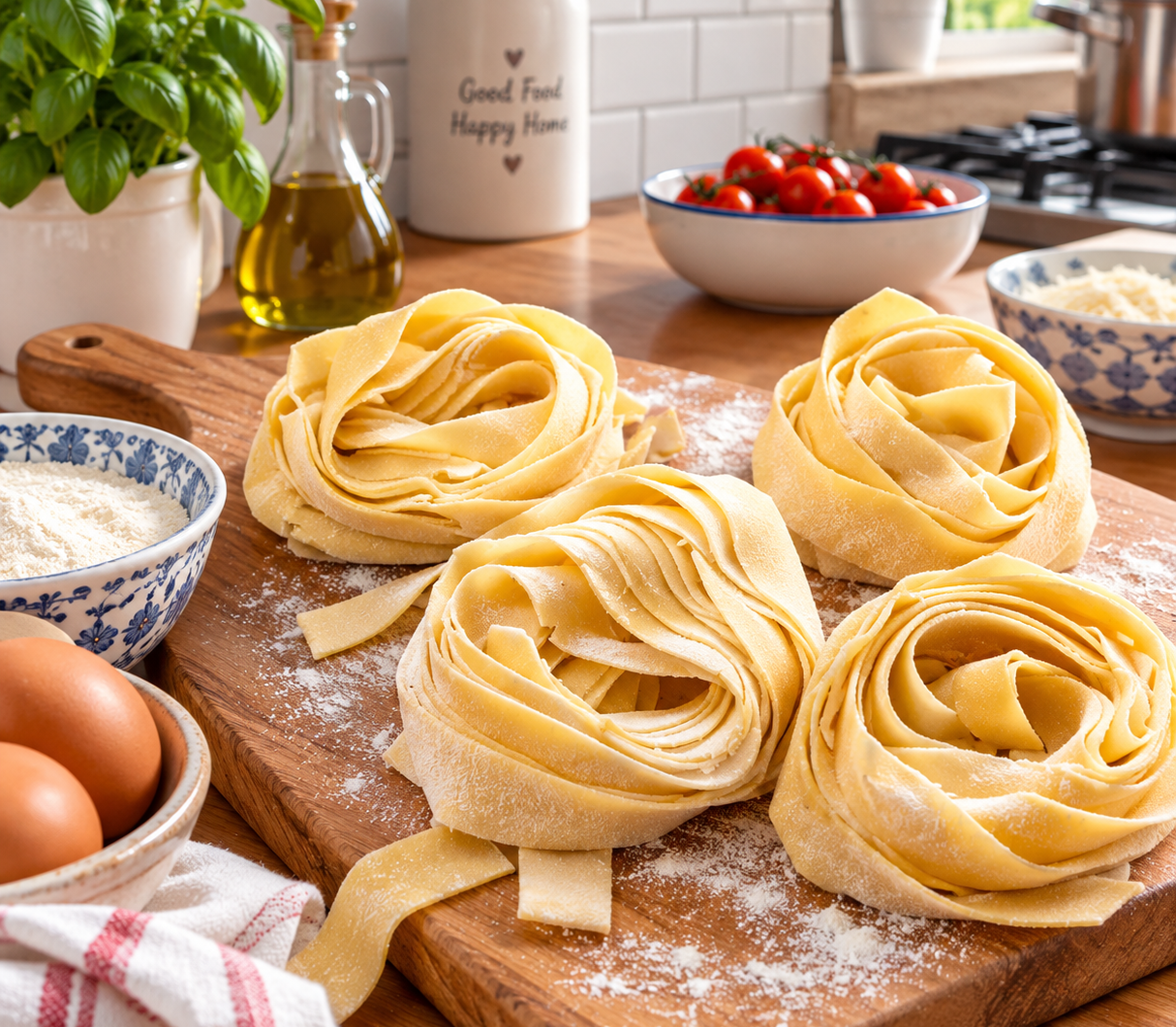
Homemade Gluten-Free Tagliatelle
Tagliatelle is a classic ribbon-style pasta and is an excellent use for fresh gluten-free pasta dough. Once a sheet has been rolled to the desired thickness, it can be cut into long ribbons. Try to make the strips relatively even so they cook at approximately the same speed.
Fresh tagliatelle pairs well with many types of sauces, including tomato-based sauces and richer meat sauces. Because homemade pasta cooks quickly, it is useful to have the sauce prepared before the pasta goes into the boiling water. That way, the freshly cooked ribbons can be drained and combined with the sauce immediately.
Gluten-Free Fettuccine
Fettuccine is another useful shape for this homemade pasta dough. Like tagliatelle, it is made by cutting rolled pasta sheets into ribbons. The finished noodles can be served with creamy sauces, tomato sauces, pesto, or simpler combinations of herbs and other ingredients.
When cutting fettuccine by hand, a sharp knife helps produce cleaner edges. Lightly dusting the pasta sheet can prevent the noodles from sticking together after cutting. Avoid using too much flour, and keep the finished strands loose until you are ready to cook or store them.
Making Pappardelle
Pappardelle consists of wider ribbons and works particularly well with rich, substantial sauces. The wide shape makes it relatively easy to cut by hand, which can make pappardelle a practical choice if you are making gluten-free pasta without a dedicated pasta cutter.
Roll the dough evenly, then cut it into broad strips. Since wider noodles can feel more substantial, maintaining an even thickness is important for consistent cooking. Once cut, the pasta can be cooked fresh or prepared for short-term storage according to the storage instructions later in this article.
Ravioli and Tortellini
Homemade gluten-free pasta dough can also be used for ravioli and tortellini. Ravioli consists of filled pasta pockets, while tortellini involves smaller folded pieces. Both can be filled with ingredients such as cheese, vegetables, or meat according to the dish being prepared.
Filled pasta requires careful sealing to keep the filling inside during boiling. Roll the sheets evenly and avoid allowing the dough to dry before shaping. Work with manageable portions and keep unused dough covered. These extra steps help maintain enough flexibility for folding and sealing the pasta successfully.
Homemade Gluten-Free Lasagna Sheets
Instead of cutting the rolled dough into noodles, you can leave it in broad sheets for homemade gluten-free lasagna. This provides a useful alternative to packaged gluten-free lasagna noodles and allows you to control the thickness and size of each sheet.
Cut the sheets according to the dimensions needed for your baking dish. Consistent thickness remains important because the pasta should cook evenly throughout the finished lasagna. Homemade sheets can then be layered with your preferred sauce and other lasagna ingredients according to the separate recipe you are preparing.
How to Cook Fresh Gluten-Free Pasta
Fresh gluten-free pasta cooks considerably faster than many dried pasta products. Bring a large pot of salted water to a full boil before adding the pasta. Once the water is boiling, carefully add the fresh noodles and cook for approximately four to six minutes, depending on their thickness.
Begin checking the pasta early rather than automatically cooking for the full six minutes. The desired result is tender pasta that still maintains enough structure to hold its shape. Because freshly rolled pasta can vary in thickness, tasting a piece is often the easiest way to determine whether it has reached your preferred texture.
Avoid Overcooking Fresh Pasta
Overcooking is one of the easiest mistakes to make with fresh gluten-free pasta. Unlike dried pasta, which often needs a longer boiling time, these fresh noodles may be ready within only a few minutes. Leaving them in boiling water for too long can make their texture overly soft.
Prepare your sauce and other meal components before cooking the pasta whenever possible. Once the noodles are ready, they can be drained and combined with the prepared sauce without waiting. This also allows you to serve the pasta while it is fresh, warm, and at its best texture.
Best Sauces for Homemade Gluten-Free Pasta
Fresh homemade gluten-free pasta provides a versatile base for many sauces. A classic marinara sauce offers bright tomato flavor, while Alfredo sauce creates a richer, creamier dish. Fresh basil pesto is another option, especially when you want a strongly flavored sauce that coats ribbon pasta easily.
Simple garlic butter sauce can allow the flavor and texture of the fresh pasta itself to remain more noticeable. Heartier meat sauces are particularly suitable for wider shapes such as pappardelle. The pasta can also be paired with creamy mushroom sauce, depending on the type of meal you want to prepare.
Meal Ideas for Fresh Gluten-Free Pasta
This homemade pasta can become the base of many complete meals. Serve it alongside grilled chicken, meatballs, roasted vegetables, or garlic shrimp. Fresh basil and tomatoes can create a lighter combination, while Parmesan cheese can be added to dishes where dairy is suitable.
Because the dough can be shaped in several ways, you can match the pasta style to the meal. Long noodles work well with many traditional sauces, wide ribbons suit heavier sauces, and pasta sheets can be used for lasagna. Ravioli and tortellini provide options when you want to prepare filled pasta instead.
Storing Fresh Gluten-Free Pasta
If you are not cooking the pasta immediately, proper storage helps preserve its texture. According to the supplied recipe, fresh pasta can be kept in an airtight container in the refrigerator for up to one day. Keep the noodles lightly separated so they do not become one solid mass during storage.
Because fresh homemade pasta contains eggs, refrigeration is important when it is not being cooked right away. For longer storage, freezing is the more suitable option. Preparing extra pasta while you already have the equipment and work surface ready can make future meals much more convenient.
Freezing Homemade Gluten-Free Pasta
To freeze the pasta, arrange it in portions or nests on a baking sheet first. Freezing the pieces separately before placing them together helps reduce sticking. Once firm, transfer the frozen pasta to suitable freezer bags or airtight freezer-safe containers.
The supplied recipe recommends freezing the pasta for up to one month. Labeling the container with the date can help you keep track of storage time. Freezing extra portions can be particularly useful when you want the convenience of homemade gluten-free pasta without preparing fresh dough for every meal.
Notes for Better Homemade Gluten-Free Pasta
Measure the Flour Carefully
Using a digital kitchen scale can improve consistency because the recipe specifies 200 grams of gluten-free flour blend. Cup measurements can vary depending on how tightly the flour is packed, while weighing provides a more precise amount.
Different gluten-free blends may still absorb eggs differently, so pay attention to the texture of the dough as it forms. The measurement provides your starting point, while the appearance and feel of the dough help indicate whether a very small adjustment is necessary.
Keep Unused Dough Covered
Once the dough has been divided into four portions, cover the pieces that are waiting to be rolled. Gluten-free pasta dough can become more difficult to work with when the surface dries out. Keeping it covered helps maintain flexibility.
Work with one portion at a time rather than rolling all four simultaneously. This simple habit keeps the process organized and reduces the chance of cracking when later portions reach the pasta machine or rolling pin.
Use Only a Light Dusting of Flour
A small amount of gluten-free flour can help prevent sticking while the dough is rolled and cut. However, excessive flour can make the pasta dry. Start with a light dusting and add more only when it is actually needed.
This is especially important when repeatedly passing dough through a pasta machine. If the sheet is already moving smoothly without sticking, there is no reason to continually add extra flour.
Roll the Dough Evenly
Consistent thickness improves both appearance and cooking. If one section of pasta is considerably thicker than another, the thin section may become soft before the thick section is properly cooked.
Whether using a rolling pin or pasta machine, work gradually. Avoid trying to take a thick piece of dough directly to its final thinness in a single pass. Slow, progressive rolling generally provides better control.
Monitor the Cooking Time
Fresh gluten-free pasta cooks quickly. The recommended cooking range is approximately four to six minutes, but thickness will affect the exact timing. Start checking early and remove the pasta once it has reached your preferred tenderness.
Having the sauce ready before boiling the noodles makes this easier. Fresh pasta can move directly from the pot to the finished dish rather than sitting while other parts of the meal are still being prepared.
Common Gluten-Free Pasta Mistakes to Avoid
Using too much additional flour is one common problem because it can make the dough dry and difficult to roll. Another is allowing uncovered dough to sit on the counter until its surface becomes dry. Both issues can contribute to cracking or tearing during shaping.
Skipping the xanthan gum can also significantly change the behavior of the dough because it provides important structure in the absence of gluten. Finally, avoid treating fresh pasta like dried packaged noodles when cooking. Fresh homemade pasta needs a much shorter cooking time and should be monitored carefully.
Is Homemade Gluten-Free Pasta Difficult to Make?
Homemade pasta requires some hands-on preparation, but the basic process is straightforward. Mix the flour and xanthan gum, incorporate the eggs, knead the dough until smooth, divide it into portions, roll each portion, cut it into the desired shape, and cook it briefly in salted boiling water.
For a first attempt, a simple ribbon shape such as fettuccine, tagliatelle, or pappardelle can be easier than filled pasta. Once you become familiar with how the gluten-free dough feels during rolling, the same recipe can be used for more detailed shapes such as ravioli and tortellini.
A Versatile Gluten-Free Pasta Recipe for Home Cooking
The real strength of this homemade gluten-free pasta is its versatility. One basic dough can become several different meals depending on how it is rolled, shaped, and served. It can accompany marinara, creamy sauce, pesto, garlic butter, meat sauce, roasted vegetables, chicken, shrimp, or many other pasta pairings.
With 200 grams of gluten-free flour blend, one teaspoon of xanthan gum, three large eggs, and optional olive oil, the ingredient list remains remarkably manageable. Careful mixing, gentle adjustments to the dough, even rolling, and a short cooking time are the main techniques needed to turn those simple ingredients into fresh homemade gluten-free pasta.
Homemade Gluten-Free Pasta
Soft, fresh, and versatile homemade gluten-free pasta made with a gluten-free flour blend, xanthan gum, and eggs, with optional olive oil.
3
servings30
minutes5
minutes230
kcal35
minutesIngredients
200g (1⅔ cups) gluten-free flour blend
1 teaspoon xanthan gum
3 large eggs
½ tablespoon olive oil, optional
Directions
- Whisk the gluten-free flour blend and xanthan gum together until evenly combined.
- Make a well in the center of the flour mixture and add the eggs.
- Gradually mix the eggs into the flour until a dough begins to form. Add the optional olive oil if using.
- Transfer the dough to a lightly floured surface. Knead for 2–3 minutes until smooth and firm.
- Divide the pasta dough into four equal portions. Keep unused portions covered while working.
- Roll each portion into a thin, even pasta sheet using a rolling pin or pasta machine.
- Cut the rolled dough into your desired pasta shape, such as tagliatelle, fettuccine, pappardelle, ravioli, tortellini, or lasagna sheets.
- Bring a large pot of salted water to a boil.
- Add the fresh pasta and cook for approximately 4–6 minutes, depending on its thickness.
- Drain the pasta once tender and serve immediately with your preferred sauce.
Nutrition Facts
3 servings per container
- Amount Per ServingCalories230
- % Daily Value *
- Total Fat
5g
7%
- Total Carbohydrate
36g
14%
- Protein 9g 18%
* The % Daily Value tells you how much a nutrient in a serving of food contributes to a daily diet. 2,000 calories a day is used for general nutrition advice.