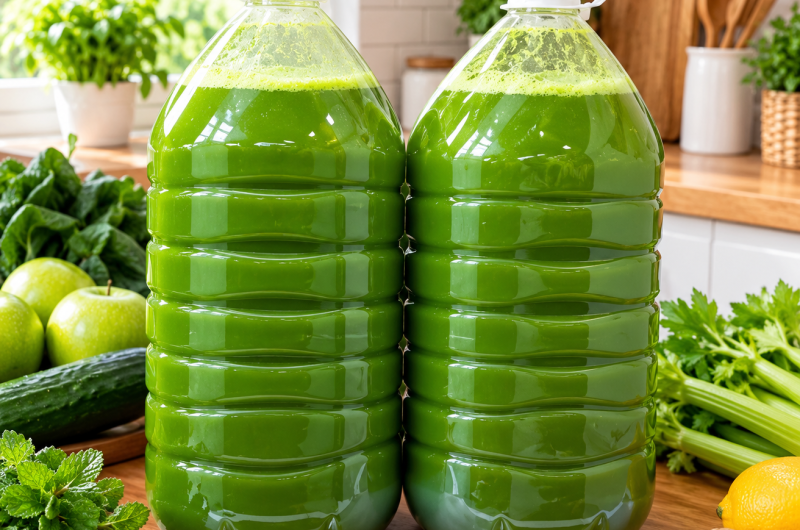
Healthy green juice is a refreshing way to enjoy fresh fruits, leafy greens, and naturally flavorful ingredients in one glass. This homemade green juice recipe combines spinach, celery, cucumber, apple, lime, fresh mint, pineapple, and ginger to create a drink with a bright color and a balanced taste. It brings together sweet, tangy, cooling, and slightly spicy flavors without relying on artificial sweeteners or complicated ingredients. Whether you are looking for a fresh morning drink or a simple way to include more produce in your daily routine, this recipe is easy to prepare at home.
One of the best things about this healthy green juice recipe is that you can make it with a regular blender. You do not need an expensive juicer or special equipment to get started. The ingredients are straightforward, and the preparation process is simple enough for beginners. Apple and pineapple add natural sweetness, while cucumber and celery provide a light, refreshing base. Spinach contributes an earthy green flavor, lime adds a citrusy kick, mint brings a cooling aroma, and ginger gives the finished drink a gentle warmth.
Unlike green drinks that taste overwhelmingly grassy or bitter, this combination offers several layers of flavor. The fruit balances the vegetables, citrus brightens the mixture, and fresh herbs make every sip feel refreshing. If you want a homemade green smoothie-style juice that is easy to prepare and enjoyable to drink, this recipe is a practical choice for your everyday routine.
What Makes This Healthy Green Juice Special?
A good green juice should taste fresh and balanced rather than simply combining as many green ingredients as possible. This recipe follows that idea by pairing leafy vegetables with juicy fruits and aromatic additions. Each ingredient contributes its own flavor, so the final drink tastes lively without depending on one dominant ingredient. The result is a colorful homemade beverage that can fit into breakfast, a light afternoon snack, or a refreshing break during a busy day.
The combination of spinach, celery, and cucumber creates the recognizable green base. Apple and pineapple soften the stronger vegetable flavors with their natural sweetness, making the drink more approachable for people who are new to green beverages. Lime provides acidity, while mint adds a clean, cooling finish. Ginger introduces a mild spicy note that keeps the drink from tasting too sweet. Together, these ingredients create a flavorful blend that can be enjoyed without complicated preparation.
Another advantage is its flexibility. You can adjust the amount of water to change the consistency, add a little extra lime for a sharper flavor, or use more cucumber for a lighter taste. Since the recipe uses familiar produce, it is also easy to adapt to what you already have in your kitchen, provided you retain the main ingredients and their intended flavor balance.
Ingredients for Homemade Green Juice
The ingredients in this healthy green juice recipe work together to create a refreshing drink with natural sweetness, citrus brightness, and a gentle herbal finish. Fresh produce generally provides the best flavor, especially when using spinach, mint, cucumber, and celery. Choose an apple that tastes pleasantly sweet and a ripe pineapple with a fragrant aroma. Fresh lime and ginger help bring the different flavors together, making the juice taste bright rather than flat.
Spinach
Spinach gives the drink its deep green color and mild leafy flavor. It blends well with fruit and is an easy way to include leafy vegetables in your diet. Wash the leaves thoroughly under running water to remove dirt or grit before blending. Tender, fresh spinach usually works particularly well because it has a mild taste that does not overpower the sweeter ingredients.
Celery and Cucumber
Celery contributes a fresh, slightly savory flavor, while cucumber adds a clean and cooling quality. These vegetables help balance the sweetness of the apple and pineapple. They also contribute moisture, making them useful ingredients in a blender-based green drink. Rinse both thoroughly, trim any damaged sections, and cut them into smaller pieces so the blender can process them more easily.
Apple and Pineapple
Apple adds natural sweetness and a familiar fruity flavor that helps soften the taste of the leafy greens. Pineapple brings a tropical character, a pleasant aroma, and a sweet-tart taste. These two fruits make the drink more enjoyable without requiring added sugar. For a balanced result, use fruit that is ripe but still fresh, and remove any tough pineapple skin before preparing the recipe.
Lime, Mint, and Ginger
Fresh lime provides a sharp citrus note that lifts the other flavors and helps balance the fruit’s sweetness. Mint adds a refreshing aroma, particularly when served chilled. Ginger gives the juice a subtle spicy finish that complements both the citrus and pineapple. Use fresh ginger for the most pronounced flavor, and adjust its amount according to your preference if the original recipe allows flexibility.
Health Benefits of Green Juice
Green juice can be a convenient way to enjoy several types of fruits and vegetables in one drink. Spinach supplies nutrients such as vitamin K and folate, while cucumber and celery contribute water and small amounts of various vitamins and minerals. Apple and pineapple provide carbohydrates and naturally occurring sugars, along with some vitamins and plant compounds. The overall nutritional value depends on the quantities used and whether the mixture is strained or consumed with its pulp.
It is important to understand that green juice is not a miracle drink. It does not automatically remove toxins, cure digestive problems, or guarantee stronger immunity. Your liver and kidneys already perform essential functions involved in processing waste products. A varied diet, adequate hydration, physical activity, and sufficient sleep are more meaningful foundations for general well-being than relying on a single beverage.
Supports Everyday Hydration
Cucumber, celery, pineapple, and other fresh produce contain water, which contributes to the liquid in this recipe. Drinking a glass of homemade green juice can therefore help you increase your fluid intake throughout the day. Its refreshing flavor may be especially appealing in warm weather or after spending time outdoors. However, green juice should complement your usual water intake rather than replace water as your main everyday beverage.
Provides Vitamins and Plant Nutrients
Leafy greens and fruits contain a variety of vitamins, minerals, and naturally occurring plant compounds. Spinach is particularly known for its vitamin K content, while pineapple contributes vitamin C and apple provides plant compounds found in fruit. The exact amount of each nutrient depends on the portion size, produce quality, and preparation method. Including different fruits and vegetables throughout the week is generally more beneficial than depending on one green juice recipe alone.
Can Fit Into a Balanced Diet
This homemade green juice can be part of a balanced eating pattern when enjoyed alongside meals that provide enough protein, healthy fats, fiber, and other essential nutrients. It is convenient for people who enjoy fruit and vegetable drinks, but it should not be treated as a meal replacement by default. A balanced breakfast with eggs, yogurt, oats, or another source of protein may provide more lasting fullness than juice alone.
May Help You Enjoy More Vegetables
Some people find it difficult to eat leafy greens regularly because they dislike their texture or flavor. Blending spinach with apple, pineapple, lime, and mint can make vegetables more appealing. Preparing a drink at home also gives you control over the ingredients and any added sweeteners. For the greatest nutritional benefit, consider keeping the pulp instead of straining it, because much of the fiber remains in the solid portion of blended produce.
Tips for the Best Homemade Green Juice
Fresh ingredients make a noticeable difference in this recipe. Choose spinach with healthy green leaves, firm cucumber, crisp celery, and fruit that smells fresh. Overripe or damaged produce may affect the drink’s flavor and texture. Wash everything thoroughly and use clean cutting boards, knives, and blender equipment. When preparing produce ahead of time, refrigerate cut ingredients promptly rather than leaving them at room temperature for extended periods.
The balance between sweet, tart, and herbal flavors is another important part of a successful green juice. Apple and pineapple soften the vegetable taste, but the result can vary depending on the fruit’s natural sweetness. Lime helps keep the drink bright, while mint provides a fresh aroma. Ginger can become quite noticeable when used generously, so start with the recipe’s specified quantity and make future adjustments according to your preference.
For a smoother consistency, blend the ingredients long enough to break down the leafy greens and tougher vegetable pieces. If your blender struggles, add a small amount of liquid and process the mixture in stages. Avoid adding too much water at once because it can weaken the flavor. If you prefer a colder drink, refrigerate the ingredients beforehand or serve the finished juice immediately in a chilled glass.
When Is the Best Time to Drink Green Juice?
There is no single best time to drink green juice. Many people enjoy it in the morning because its fresh flavor makes a pleasant addition to breakfast. Others prefer it in the afternoon as an alternative to sugary beverages. You can choose whichever time fits your routine, appetite, and dietary needs. Drinking green juice on an empty stomach is not necessary to obtain its nutrients, and there is no good reason to assume that it works better simply because you drink it first thing in the morning.
If you drink this recipe as part of breakfast, consider pairing it with foods that provide protein, fiber, and healthy fats. For example, eggs with whole-grain toast, plain yogurt with nuts, or oatmeal with seeds can help make the meal more satisfying. Because the juice contains fruit sugars and may be low in protein, drinking it alone might not keep you full for long. Your overall eating pattern matters more than the exact time you consume this beverage.
Frequently Asked Questions About Healthy Green Juice
Can I make green juice without a juicer?
Yes, you can prepare this recipe using an ordinary kitchen blender. Blend the washed ingredients with a little water if needed, then drink the mixture as a thicker green smoothie or strain it for a more juice-like consistency. This method is practical for people who do not own a juicer. Keep in mind that the texture will depend on your blender, the amount of liquid, and whether you remove the pulp.
Is green juice good for everyday drinking?
Green juice can fit into a healthy diet when consumed in reasonable portions alongside a variety of whole foods. However, it should not replace all whole fruits and vegetables, because the pulp removed during straining contains valuable dietary fiber. People who need to monitor carbohydrate intake, blood sugar, or certain nutrients should consider the ingredients and portion size. A healthcare professional or registered dietitian can provide individualized advice when dietary restrictions are important.
Does green juice help with weight loss?
No single drink guarantees weight loss. Green juice may fit into a balanced eating plan, but its effect depends on overall food intake, activity levels, portion sizes, and individual needs. Fruit-based drinks can still contain a meaningful amount of natural sugar and calories. If your goal is weight management, focus on sustainable eating habits, adequate protein and fiber, regular movement, and a dietary pattern that you can maintain comfortably over time.
Can I prepare green juice in advance?
It is best to enjoy green juice soon after preparing it, but you can refrigerate leftovers in a clean, tightly sealed container. Keep the drink at 40°F (4°C) or below and use it promptly, ideally within 24 hours for quality. Discard it if it develops an unusual smell, appearance, or signs of spoilage. Do not leave fresh juice at room temperature for extended periods, especially in hot weather.
Can I change the fruit in this recipe?
Different fruits can change the flavor, sweetness, and nutritional profile of green juice. However, if you are following a specific recipe, keep its original ingredients unchanged for the intended result. If you later experiment with other combinations, remember that replacing apple or pineapple may alter the balance between sweetness and acidity. Taste is personal, so any new version should be treated as a variation rather than the original recipe.
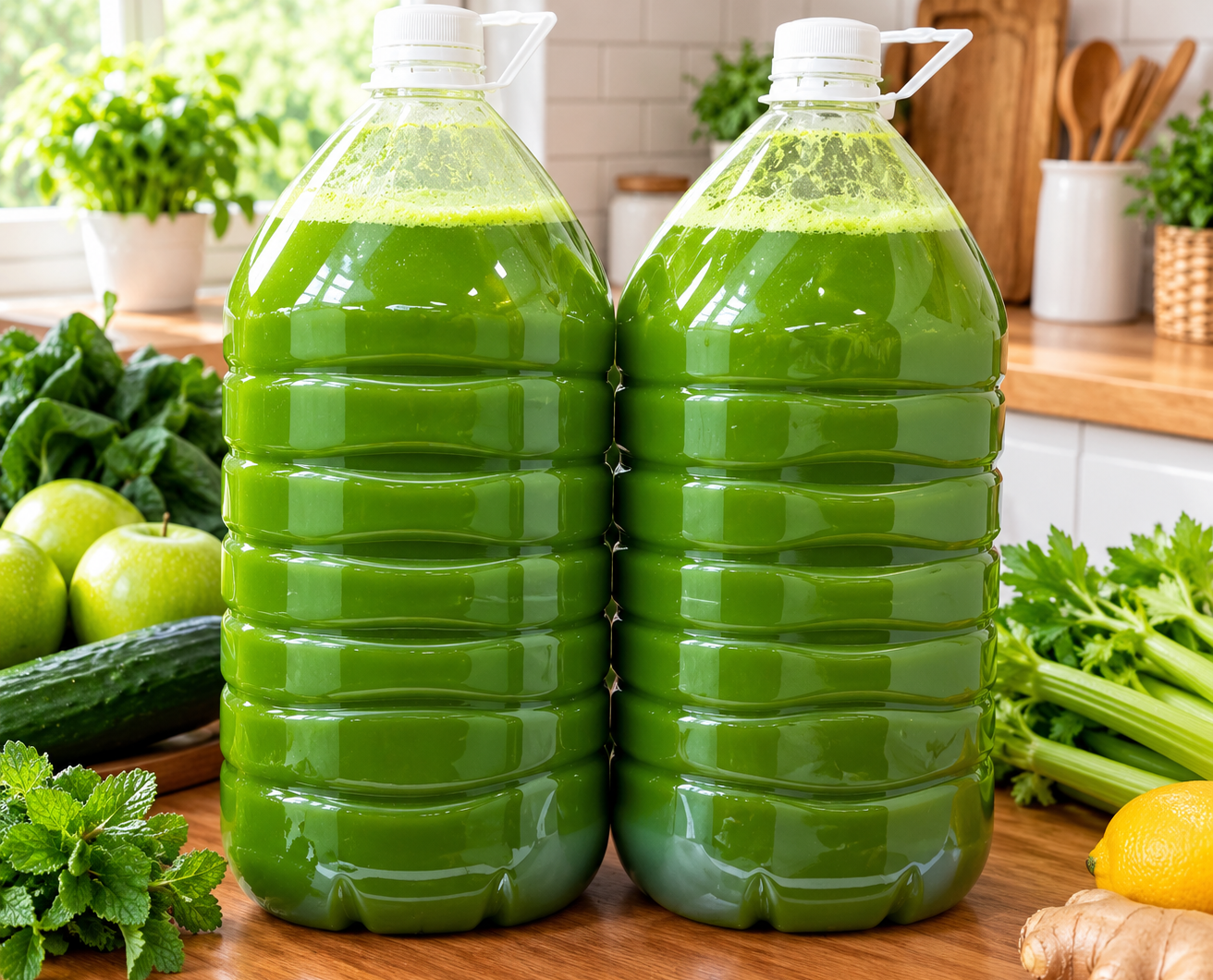
Healthy Green Juice
A refreshing green juice made with apples, cucumber, celery, spinach, kale, lemon, ginger, parsley, mint, and pear. Naturally sweet, easy to prepare, and suitable for a juicer or blender.
6
servings15
minutes00
minutes120
kcal15
minutesIngredients
4 large green apples, washed and cored
2 large cucumbers
6 celery stalks
3 cups fresh spinach
2 cups kale leaves, stems removed
1 large lemon, peeled
1-inch piece fresh ginger
1 handful fresh parsley
1 handful fresh mint leaves
1 medium green pear
1 cup cold water (optional)
Ice cubes, for serving
Directions
- Wash all fruits, vegetables, and herbs thoroughly.
- Core the apples and cut them into suitable pieces.
- Chop the cucumbers, celery, and pear.
- Remove kale stems and peel the lemon.
- Add all produce to a juicer or high-speed blender.
- If using a blender, add the optional cold water and blend until smooth.
- Strain through a fine-mesh sieve or nut milk bag if preferred.
- Pour into glasses filled with ice cubes.
- Serve immediately.
Nutrition Facts
6 servings per container
- Amount Per ServingCalories120
- % Daily Value *
- Total Fat
1g
2%
- Total Carbohydrate
28g
11%
- Protein 3g 6%
* The % Daily Value tells you how much a nutrient in a serving of food contributes to a daily diet. 2,000 calories a day is used for general nutrition advice.