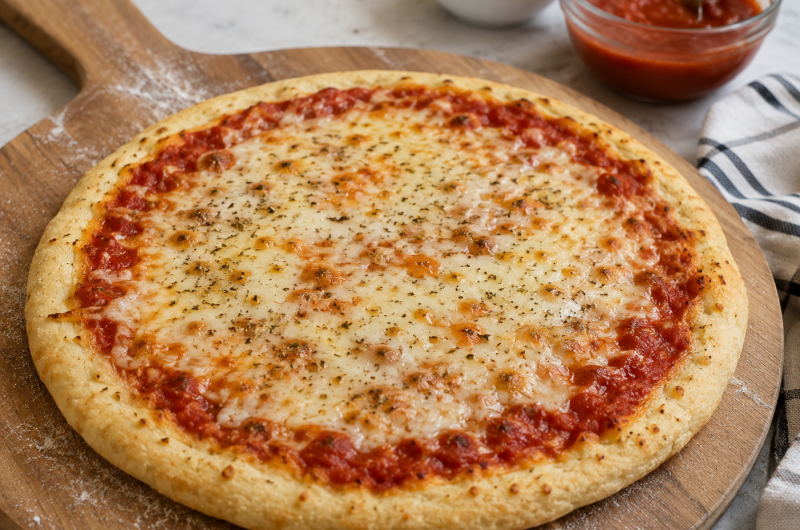
Nothing makes a meal more enjoyable than a freshly baked homemade pizza with a golden crust, flavorful sauce, and delicious toppings. This Gluten-Free Pizza Crust is a wonderful option for anyone who wants to enjoy homemade pizza without using traditional wheat flour.
It creates a lightly crisp exterior with a soft, tender center, giving every slice a satisfying texture. Whether you prefer a simple cheese pizza, a vegetable-loaded combination, or a hearty chicken pizza, this homemade crust provides a versatile base for your favorite flavors.
One of the best things about this gluten-free pizza dough is how simple it is to prepare. You do not need complicated techniques, special baking equipment, or hours of kneading. The ingredients come together quickly, and the dough can be spread by hand directly onto a prepared baking tray. Even if you have limited experience with gluten-free baking, you can make a delicious pizza crust at home with a little preparation and the right baking method.
This homemade pizza crust is also vegan, freezer-friendly, and suitable for preparing ahead of time. You can make it for a relaxed family dinner, weekend lunch, or a fun pizza night with friends. Instead of purchasing expensive ready-made gluten-free pizza bases, you can prepare your own fresh crust and customize it with ingredients you already enjoy.
This Gluten-Free Pizza Crust
There are several reasons this easy gluten-free pizza crust deserves a place in your homemade baking collection. First, the preparation is straightforward and does not involve the traditional kneading process required for wheat-based pizza dough. Gluten-free dough behaves differently because it does not contain the elastic gluten proteins that normally help dough stretch and hold its shape. Instead, the ingredients are mixed into a soft dough that can be pressed into the desired pizza shape.
Another advantage is the balance of textures. Many homemade gluten-free pizza bases can become dry, hard, or crumbly, especially when they contain too much flour or are baked for too long. This recipe focuses on creating a crust that remains tender in the middle while developing lightly crisp edges. The pre-baking technique also helps strengthen the base, allowing it to hold the sauce and toppings without becoming overly soft.
The recipe is also easy to customize. You can prepare one larger pizza for sharing or divide the dough into smaller portions for individual pizzas. This flexibility makes it useful for family meals because everyone can choose their own sauce, cheese, vegetables, and other toppings.
What Makes This Homemade Pizza Crust Special?
A good gluten-free pizza crust needs more than simply replacing wheat flour with another type of flour. Each ingredient has an important role in creating a dough that can be shaped easily and baked into a satisfying base. The combination of gluten-free flours, yeast, baking powder, olive oil, and other basic ingredients helps produce a crust with structure, flavor, and a pleasant texture.
Unlike traditional pizza dough, this mixture does not need to develop an elastic gluten network. It should feel softer and slightly stickier than regular bread dough. This consistency makes it easier to press into a pizza shape without excessive handling. Once baked, the crust develops enough firmness to support different toppings while maintaining a tender interior.
A Soft Center with Lightly Crispy Edges
The texture of homemade pizza is one of the most important parts of the eating experience. A crust that is too hard can make every slice difficult to enjoy, while an overly soft base may struggle to hold its toppings. This gluten-free pizza recipe aims for a comfortable middle ground by combining a soft interior with lightly crisp edges.
The thickness of the dough also affects the final result. Spreading it evenly helps the crust bake consistently, preventing some areas from becoming dry while others remain undercooked. Keeping the base relatively thin creates a texture closer to a traditional homemade pizza.
The Role of Yeast in Gluten-Free Pizza Dough
Yeast is responsible for developing the characteristic flavor and lightness associated with homemade pizza dough. When activated properly, it begins working with the available sugars and produces carbon dioxide, creating small air pockets within the dough. These pockets contribute to a lighter texture and help prevent the crust from feeling too compact after baking.
Because gluten-free dough does not have the same elasticity as regular pizza dough, its rising behavior can be different. It may not stretch or expand in exactly the same way as traditional dough. However, yeast still plays an important role in improving the overall flavor and texture of the finished pizza.
How to Activate Yeast Correctly
Activating yeast with warm water before mixing it into the flour helps ensure that it is ready to work. The water should feel comfortably warm rather than hot. Water that is too hot can damage the yeast, while very cold water may slow its activity.
After combining the yeast with warm water, give it a few minutes to become active. A foamy appearance is generally a good sign that the yeast is working. If the mixture does not show signs of activity, check the freshness of the yeast before continuing with the recipe.
Why Baking Powder Improves the Crust
Baking powder provides additional lift during baking and works alongside the yeast to support a lighter texture. This is particularly helpful in gluten-free recipes because the dough does not have the same structure as conventional wheat dough. The additional leavening helps create a crust that is less dense and more pleasant to bite into.
Using the correct amount is important because too much baking powder can affect the flavor of the finished pizza. It should complement the yeast rather than become the dominant source of rising. When combined with the other ingredients, it helps create a balanced pizza base suitable for different toppings.
Olive Oil for Tenderness and Flavor
Olive oil contributes moisture and richness to homemade gluten-free pizza dough. It helps improve the overall texture and makes the crust feel more tender after baking. It also adds a subtle flavor that works naturally with traditional pizza ingredients such as tomato sauce, mozzarella, basil, and vegetables.
Another useful quality of olive oil is that it helps make the dough easier to handle. Since gluten-free mixtures can feel sticky, the oil contributes to a smoother preparation process and helps the finished crust develop a pleasant surface during baking.
Preparing the Gluten-Free Pizza Dough
Making this pizza dough does not require kneading or complicated preparation. Begin by arranging the ingredients and preparing a clean mixing bowl. Once the yeast mixture is ready, combine the dry ingredients separately before adding the wet ingredients. Stir everything together until a smooth, evenly mixed dough forms.
The consistency will be noticeably different from traditional pizza dough. Rather than forming a firm, elastic ball, gluten-free dough is generally softer and may stick slightly to your hands or mixing spoon. This is completely normal and should not be corrected by adding large amounts of extra flour.
Avoid Adding Too Much Flour
One of the most common mistakes when preparing gluten-free dough is trying to make it feel exactly like traditional wheat dough. Adding too much flour can create a heavy crust that becomes dry after baking. It is better to keep the mixture soft and use lightly floured hands when shaping it.
If the dough sticks to your fingers, a small amount of brown rice flour can make handling easier. However, avoid mixing unnecessary additional flour directly into the dough because this can change its consistency and affect the finished texture.
How to Shape the Perfect Gluten-Free Pizza Crust
Shaping gluten-free pizza dough is easier than many people expect. Once the dough is ready, transfer it to a lightly greased baking tray or prepared pizza stone. Use your hands to press it outward from the center, gradually creating an even circle or your preferred pizza shape.
There is no need to stretch or toss the dough in the air as you might with traditional pizza dough. Simply press it gently and work toward the edges. Pay attention to the thickness, making sure the center is not significantly thinner than the outer portion. An even surface helps the crust bake properly and prevents uneven browning.
Preventing the Dough from Sticking
Lightly oiling your hands or dusting them with a little brown rice flour can make shaping much easier. If the dough begins sticking, pause and adjust your hands rather than forcing it into shape. Gentle pressure is usually enough to spread the mixture across the baking surface.
Try to keep the crust under one-quarter inch thick for a thinner, crispier result. If you prefer a slightly thicker pizza, you can leave the edges a little fuller while keeping the center reasonably even.
Why Pre-Baking Is Essential
Pre-baking is one of the most useful techniques for achieving a successful gluten-free pizza. Because this type of dough has a different structure from traditional pizza dough, adding sauce and toppings before the base has firmed up can make it difficult to achieve the desired texture.
During the first baking stage, the surface begins to set and the dough develops enough strength to support the toppings. This helps reduce the possibility of a soggy center, especially when using tomato sauce, fresh vegetables, or other ingredients that release moisture during cooking.
Small surface cracks may appear as the crust bakes. These are generally normal and do not mean the pizza has failed. Once the crust is firm enough, remove it from the oven, add your preferred toppings, and return it for the final baking stage.
Choosing the Best Toppings for Gluten-Free Pizza
One of the most enjoyable parts of making homemade pizza is choosing the toppings. This gluten-free crust provides a flexible base that works with many different flavor combinations. You can keep things simple with tomato sauce and mozzarella or prepare a more filling pizza with vegetables, chicken, herbs, and additional cheese.
Classic tomato sauce is a reliable starting point because its slightly tangy flavor complements the mild taste of the crust. Mozzarella melts beautifully and creates the familiar cheesy layer that makes homemade pizza so appealing. You can also add mushrooms, bell peppers, onions, olives, spinach, and fresh basil for additional flavor and texture.
Vegetable Pizza Topping Ideas
Vegetables are a great choice when you want a colorful and flavorful homemade pizza. Bell peppers add sweetness and crunch, mushrooms provide a savory taste, and onions develop a delicious flavor as they cook. Spinach, zucchini, tomatoes, and olives are also suitable options.
It is important not to overload the crust with vegetables that contain a lot of moisture. Ingredients such as fresh tomatoes and mushrooms can release liquid during baking, which may soften the center. Using moderate quantities and preparing particularly watery vegetables beforehand can help maintain a better texture.
Protein-Rich Pizza Toppings
If you prefer a more filling pizza, grilled chicken, cooked sausage, or pepperoni can be added to the crust. These ingredients pair well with tomato sauce, mozzarella, and herbs. Make sure any meat used as a topping is fully cooked when required and prepared safely before placing it on the pizza.
You can also experiment with different cheeses and seasoning combinations. A little oregano, black pepper, garlic, or fresh basil can add extra flavor without making the topping mixture complicated.
Homemade Gluten-Free Pizza for Family Meals
Pizza is a meal that can easily bring everyone together, and this recipe makes it possible to prepare a homemade version without wheat flour. You can make one large crust for the entire family or divide the dough into smaller portions. Individual pizzas are particularly useful when everyone prefers different toppings.
Children can also take part in preparing their own pizzas by spreading the sauce and arranging their favorite ingredients. This makes the recipe a fun choice for weekend lunches, birthday meals, and relaxed family dinners. Since the dough is easy to shape by hand, there is no need for advanced cooking skills.
Vegan and Dairy-Free Pizza Options
The crust itself is vegan, making it suitable for preparing different types of plant-based pizzas. You can use a tomato-based sauce, vegetables, olives, herbs, and dairy-free cheese to create a completely vegan meal. The mild flavor of the crust allows these ingredients to stand out without competing with the other flavors.
If you are preparing pizza for someone with dietary restrictions, check the labels of all packaged ingredients. Gluten-free flour, yeast, sauces, and toppings should be suitable for the intended diet. This is particularly important when preparing food for someone who needs to avoid gluten strictly because of celiac disease or another medical requirement.
Make-Ahead Tips for Busy Days
Preparing pizza dough ahead of time can make homemade meals much easier during a busy week. You can prepare the dough one or two days in advance and store it in the refrigerator, following the recipe’s recommended preparation and storage method. When you are ready to cook, bring it into the preparation stage and shape it according to the instructions.
Another practical option is to pre-bake the crust before storing it. Once the crust has cooled completely, wrap it securely and keep it refrigerated or frozen. When you want pizza, add the sauce and toppings and finish baking until everything is heated through and the cheese has melted.
How to Freeze Gluten-Free Pizza Crust
Freezing is an excellent way to keep homemade pizza crust available whenever you need a quick meal. First, allow the pre-baked crust to cool completely. Wrapping a warm crust can trap steam and create unwanted moisture, so give it enough time to reach room temperature before packaging.
Wrap the cooled base securely in plastic wrap or aluminum foil, then place it in a freezer-safe bag or airtight container. Proper packaging helps protect the crust from freezer odors and drying out. For the best quality, use the frozen crust within approximately one month.
Gluten-Free Pizza Crust
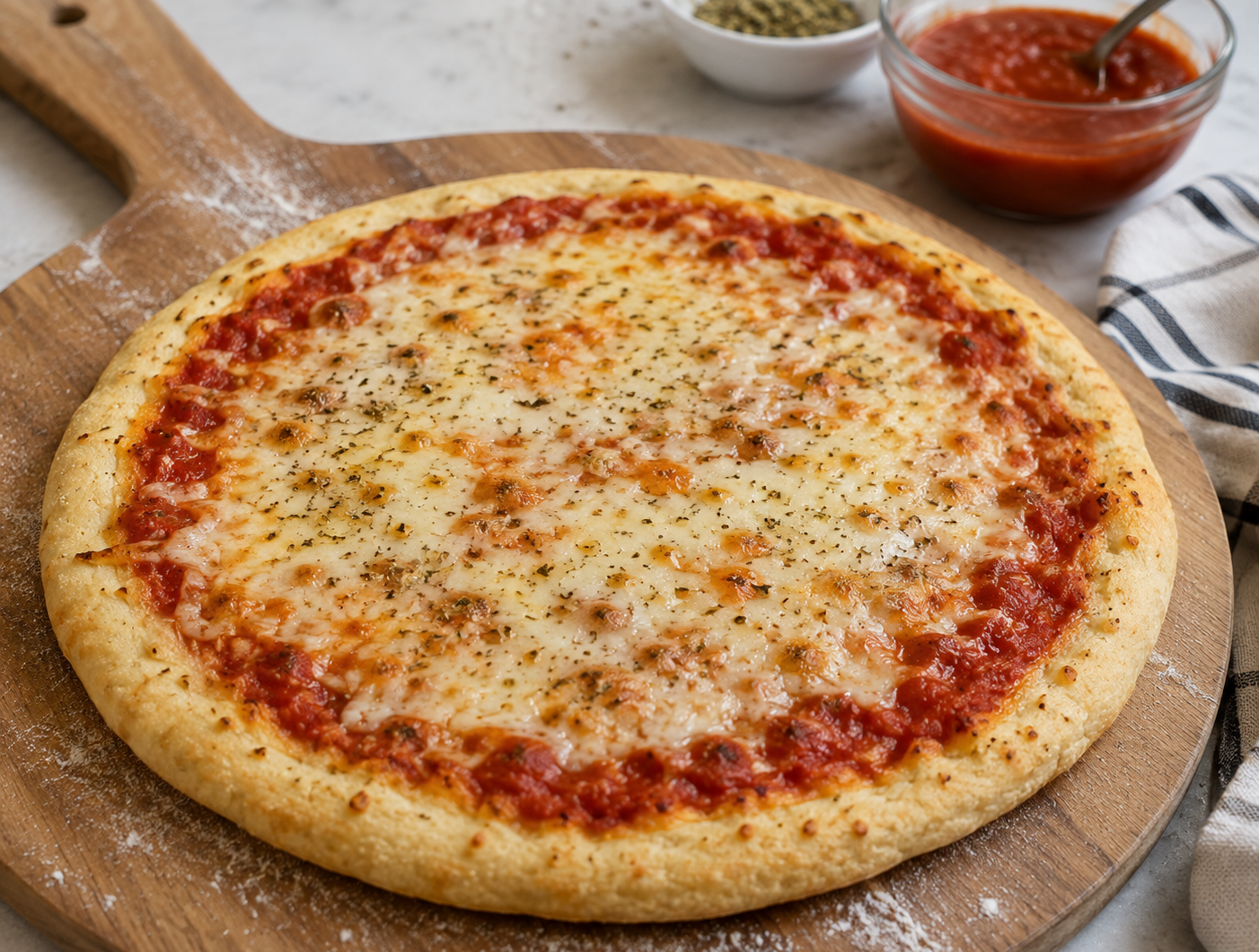
This Gluten-Free Pizza Crust is easy to make, vegan, and perfect for homemade pizza nights. It bakes with crispy golden edges and a soft, tender center, making it an ideal base for your favorite pizza sauce and toppings.
1
servings15
minutes45
minutes170
kcal1
hourIngredients
1 Tbsp dry active yeast
1¼ cups warm water, divided
2–3 Tbsp sugar, divided
3 cups gluten-free flour blend
1 tsp salt
½ tsp baking powder
1 Tbsp olive oil
Directions
- Activate the Yeast
Preheat the oven to 350°F (176°C).
Mix yeast with ¾ cup warm water.
Let stand for 5 minutes.
Stir in 1 Tbsp sugar. - Mix the Dough
Combine flour, salt, baking powder, and remaining sugar.
Add the yeast mixture, olive oil, and remaining ½ cup water.
Stir until smooth. - Shape the Crust
Spread the dough on a greased baking sheet or pizza stone.
Press into a crust less than ¼ inch thick. - Pre-Bake
Bake for 20–25 minutes.
Remove when the surface looks dry. - Add Toppings
Spread with pizza sauce.
Add cheese and preferred toppings. - Finish Baking
Bake for another 15–25 minutes.
Remove when the edges are golden. - Serve
Slice and serve hot.
Nutrition Facts
1 servings per container
- Amount Per ServingCalories170
- % Daily Value *
- Total Fat
2g
3%
- Total Carbohydrate
35g
13%
- Protein 3g 6%
* The % Daily Value tells you how much a nutrient in a serving of food contributes to a daily diet. 2,000 calories a day is used for general nutrition advice.