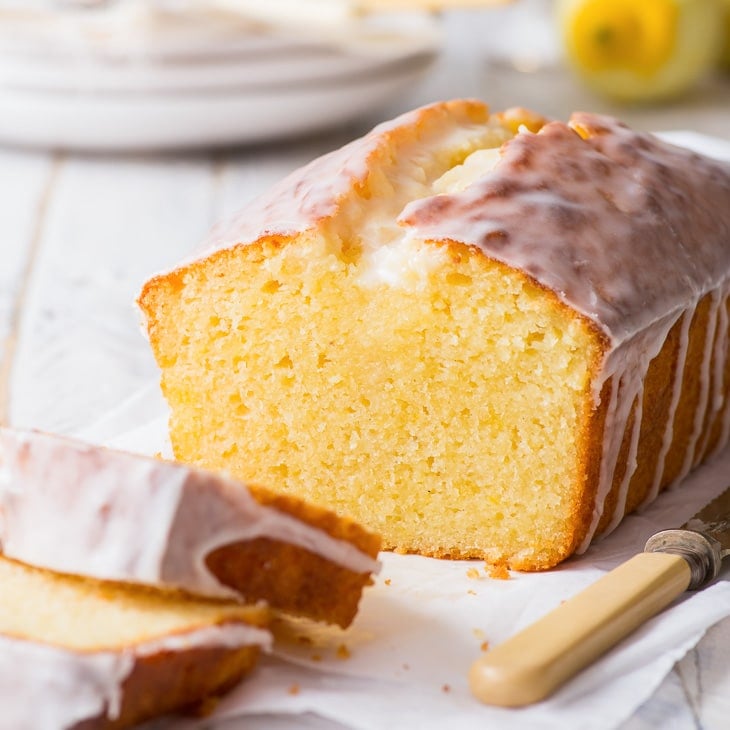
If you enjoy homemade cakes with fresh citrus flavor, this Gluten Free Lemon Drizzle Cake is a recipe you’ll want to bake again and again. It combines the delicate texture of a classic lemon loaf with the convenience of gluten-free ingredients, creating a cake that is wonderfully soft, moist, and bursting with natural lemon flavor. Finished with a sweet and tangy lemon drizzle, every slice delivers the perfect balance of sweetness and refreshing citrus.
Whether you are preparing dessert for your family, serving afternoon tea with friends, or looking for a beautiful homemade cake for a special celebration, this recipe offers dependable results with simple pantry ingredients. Its glossy glaze and golden crust also make it attractive enough to serve on birthdays, holidays, brunches, and weekend gatherings.
Importance Of This Recipe
Finding a gluten-free cake that is both light and moist can sometimes be difficult. Many gluten-free cakes become dry after a day or have a crumbly texture that falls apart when sliced. This recipe solves those problems by combining a quality gluten-free flour blend with almond flour, butter, fresh eggs, and milk. These ingredients work together to produce a tender crumb that stays soft while allowing the bright lemon flavor to remain the star of the recipe.
Another advantage is that this recipe is suitable for beginner bakers. The ingredients are mixed using simple techniques, and there are no complicated decorating steps. Even if you have little baking experience, you can achieve an attractive homemade loaf with a professional appearance.
The Secret Behind the Soft Texture
The success of this cake comes from balancing moisture with structure. The gluten-free flour blend provides the framework of the cake, while almond flour contributes tenderness and helps prevent dryness. Xanthan gum replaces the elasticity normally supplied by gluten, allowing the batter to hold together during baking without becoming dense.
Softened butter creates a rich, buttery crumb, while eggs strengthen the batter and help trap air for a lighter texture. Milk contributes additional moisture, ensuring every slice remains delicate even after the cake has cooled completely.
Fresh Lemons Make All the Difference
Fresh lemons provide both juice and zest, and each plays an important role in developing flavor. Lemon zest contains fragrant citrus oils that deliver an intense natural aroma, while fresh lemon juice adds brightness and a pleasant tanginess.
Using bottled lemon juice may seem convenient, but it cannot match the freshness or complexity of juice squeezed directly from ripe lemons. For the best results, wash the lemons thoroughly before zesting and grate only the yellow outer layer, avoiding the bitter white pith underneath.
Understanding the Gluten-Free Flour Blend
A quality gluten-free flour blend is essential for creating a successful loaf. The blend used in this recipe contains rice flour, potato starch, and maize flour without xanthan gum already included. Because of this, xanthan gum is added separately to improve the structure of the cake.
Each flour contributes differently. Rice flour forms the base of the batter, potato starch keeps the crumb soft, and maize flour provides lightness. Together they create a balanced flour mixture that behaves much like traditional wheat flour while remaining completely gluten-free.
Why Almond Flour Improves the Cake
Almond flour contributes more than just nutrition. It naturally contains healthy oils that help the cake stay moist for several days. It also introduces a subtle nutty flavor that complements the citrus without overpowering it.
Unlike coarse almond meal, finely ground almond flour blends smoothly into the batter, creating a delicate crumb that feels almost buttery. This small addition makes a noticeable difference in both flavor and texture.
Room-Temperature Ingredients Produce Better Results
One of the simplest ways to improve homemade cakes is by using room-temperature ingredients. Butter, eggs, and milk combine much more smoothly when they are not cold.
Cold butter does not blend evenly into the flour mixture, while cold eggs may cause the batter to separate. Allowing these ingredients to rest on the kitchen counter before baking creates a smoother batter, a more even rise, and a finer crumb throughout the finished loaf.
Preparing the Baking Tin
Preparing the loaf pan correctly prevents sticking and makes unmolding the cake much easier. Greasing the pan lightly before lining it with baking paper ensures the paper remains flat while baking.
The recommended loaf tin measures approximately 8½ × 4½ × 3 inches, producing a loaf with the ideal height and baking time. Using a significantly different pan size may require adjustments to baking time and could affect the finished texture.
Mixing the Dry Ingredients
The first mixing stage begins by sifting together the gluten-free flour blend, almond flour, xanthan gum, and baking powder. Sifting removes lumps and distributes the leavening evenly throughout the batter.
Granulated sugar and a pinch of salt are then stirred into the mixture. Salt may seem insignificant, but it strengthens the lemon flavor while balancing the sweetness of both the cake and the drizzle.
Incorporating the Butter
Softened butter is mixed directly into the dry ingredients until the mixture resembles coarse breadcrumbs. This technique coats some of the flour particles with butter, helping produce a tender crumb after baking.
Unlike traditional creaming methods, this approach reduces the risk of overmixing and creates a beautifully even texture. The crumb-like mixture should feel light and sandy before the remaining ingredients are added.
Combining the Wet Ingredients
In a separate bowl, whisk together the eggs, milk, vanilla paste, and fresh lemon juice until smooth. Mixing these ingredients separately helps them blend evenly before being incorporated into the flour mixture.
Once combined, pour the wet ingredients into the bowl containing the dry ingredients and butter. Stir gently until no dry flour remains. The finished batter should appear smooth, thick, and creamy without visible streaks of flour.
Adding Lemon Zest
Fresh lemon zest is stirred into the batter before baking. Distributing the zest evenly ensures that every slice contains tiny bursts of citrus flavor.
Because the zest contains concentrated aromatic oils, it perfumes the entire loaf while baking, filling the kitchen with the unmistakable fragrance of fresh lemons.
Preparing for Baking
Transfer the finished batter into the prepared loaf pan and smooth the surface using a spatula. Tapping the pan gently against the work surface helps remove any large air bubbles trapped inside the batter.
Place the pan on the middle oven rack where heat circulates most evenly. This encourages the loaf to rise uniformly while producing an attractive golden surface.
Baking the Cake to Perfection
Bake the loaf in a preheated 355°F (180°C) oven for approximately one hour. The cake should rise evenly, develop a beautiful golden surface, and fill your kitchen with the fresh aroma of lemons and vanilla. Avoid opening the oven during the first forty minutes because sudden temperature changes may cause the cake to sink. Begin checking for doneness near the end of the baking time by inserting a toothpick into the center. If it comes out clean or with only a few moist crumbs attached, the cake is ready to come out of the oven.
Preventing the Top from Browning Too Quickly
Every oven heats slightly differently, and some may brown baked goods faster than others. If you notice that the surface of the cake is becoming too dark while the center still needs additional baking time, loosely cover the loaf with a sheet of aluminum foil. This simple step protects the top from over-browning while allowing the inside to continue baking evenly. The finished cake should have a lightly golden crust rather than a dark brown exterior.
Cooling Before Decorating
Once baked, allow the cake to rest inside the loaf tin for about ten minutes. This short resting period helps the crumb firm slightly, making it easier to remove without breaking. Carefully lift the cake from the pan using the baking paper and transfer it to a wire cooling rack. Allow it to cool completely before adding the drizzle. Applying icing while the cake is still warm causes it to melt into the cake instead of forming the attractive glossy finish that makes a classic lemon drizzle loaf so appealing.
Creating the Perfect Lemon Drizzle
The lemon drizzle is one of the highlights of this recipe. It combines powdered sugar with freshly squeezed lemon juice to create a thick, glossy icing that complements the moist sponge beneath it. Begin with six teaspoons of lemon juice and whisk until completely smooth. If the drizzle feels too thick, add another teaspoon of lemon juice. If it becomes too thin, simply stir in a little more powdered sugar until the desired consistency is reached. The ideal glaze should slowly flow from a spoon while remaining thick enough to coat the top of the loaf.
Decorating the Cake
Once the loaf has cooled completely, spoon the lemon drizzle over the center of the cake and allow it to flow naturally toward the edges. Some icing should gently drip down the sides, creating the traditional appearance of a homemade lemon drizzle cake. For an elegant presentation, you may garnish the top with a little extra lemon zest or a few thin slices of fresh lemon. These simple decorations enhance both the appearance and the fresh citrus aroma.
What Makes This Cake So Moist
Moisture comes from several carefully balanced ingredients rather than one single component. Butter contributes richness, eggs provide structure, almond flour adds natural oils, milk keeps the crumb soft, and fresh lemon juice adds moisture without making the batter heavy. Baking the loaf only until a toothpick comes out clean also prevents unnecessary drying. These elements work together to produce a cake that remains tender for several days while maintaining its fresh lemon flavor.
Perfect for Every Occasion
One of the reasons this recipe is so popular is its versatility. It is elegant enough for birthdays, baby showers, Easter celebrations, Mother’s Day, and afternoon tea, yet simple enough to bake for an everyday dessert. Because the recipe is gluten-free, it is also a thoughtful option when entertaining guests who avoid wheat. Pair each slice with tea, coffee, or fresh berries for an easy but impressive dessert.
Delicious Serving Ideas
Although this cake is wonderful on its own, it pairs beautifully with many accompaniments. Serve slices alongside fresh strawberries, raspberries, or blueberries for extra freshness. A spoonful of lightly whipped cream or Greek yogurt complements the bright citrus flavor without overwhelming it. During warmer months, a scoop of vanilla ice cream transforms the loaf into an elegant dessert suitable for dinner parties and family gatherings.
Storing the Cake Properly
Store the cooled cake in an airtight container at room temperature for three to four days. Interestingly, many bakers find that the lemon flavor becomes even more pronounced on the second day as the citrus oils continue to infuse the crumb. If your kitchen is particularly warm, refrigeration may help maintain freshness. Before serving refrigerated slices, allow them to return to room temperature for the softest texture and fullest flavor.
Freezing Instructions
This lemon drizzle cake also freezes very well. Wrap the fully cooled loaf or individual slices tightly in plastic wrap, followed by a layer of aluminum foil or a freezer-safe bag. Freeze for up to three months. Thaw overnight in the refrigerator or for several hours at room temperature. If possible, freeze the cake before adding the drizzle and prepare the icing fresh after thawing for the best appearance.
Common Mistakes to Avoid
Several simple mistakes can affect the final result. Overmixing the batter may create a heavier texture, while using cold butter or eggs can prevent the ingredients from blending properly. Too much flour may produce a dry loaf, and overbaking can remove valuable moisture. Applying the drizzle before the cake has cooled completely will cause the icing to disappear into the sponge instead of creating the signature glossy finish. Paying attention to these details ensures consistently excellent results.
Notes
Use Fresh Lemons
Freshly squeezed lemon juice and freshly grated zest provide the brightest flavor. Bottled lemon juice lacks the natural citrus oils found in fresh lemons.
Measure Ingredients Accurately
Using a kitchen scale whenever possible improves consistency, especially for gluten-free baking where accurate flour measurements are important.
Do Not Overmix
Mix the batter only until all ingredients are combined. Excess mixing may produce a denser cake.
Cool Before Glazing
Always allow the loaf to cool completely before adding the lemon drizzle so the icing remains thick and glossy.
Store in an Airtight Container
Keeping the cake sealed helps maintain its moisture and prevents it from drying out.
Freeze for Later
This cake freezes beautifully, making it an excellent make-ahead dessert for holidays and celebrations.
Gluten Free Lemon Drizzle Cake
A soft, moist Gluten Free Lemon Drizzle Cake made with gluten-free flour, almond flour, fresh lemon zest, and lemon juice, finished with a sweet and tangy lemon glaze. Perfect for afternoon tea, birthdays, holidays, or an everyday homemade treat.
10
servings15
minutes1
hour335
kcal20
minutes1
hour35
minutesIngredients
- For the Lemon Cake
1⅔ cups (200 g) plain gluten-free flour blend
¾ cup (65 g) almond flour
½ teaspoon xanthan gum
3 teaspoons baking powder
1 cup (200 g) granulated sugar
Pinch of salt
2 sticks (226 g) unsalted butter, softened
Zest of 3 lemons
4 medium eggs, room temperature
½ cup (120 ml) milk, room temperature
1 teaspoon vanilla paste (or 2 teaspoons vanilla extract)
6 tablespoons fresh lemon juice
- For the Lemon Drizzle
1 cup (120 g) powdered sugar, sifted
6–7 teaspoons fresh lemon juice
Directions
- Preheat the oven to 355°F (180°C) and line an 8½ × 4½-inch loaf pan with baking paper.
- In a large bowl, sift together the gluten-free flour, almond flour, xanthan gum, and baking powder.
- Add the sugar and salt, then mix well.
- Add the softened butter and mix until the mixture resembles coarse crumbs.
- Stir in the lemon zest.
- In another bowl, whisk together the eggs, milk, vanilla, and lemon juice.
- Pour the wet ingredients into the dry ingredients and mix until smooth.
- Transfer the batter to the prepared loaf pan and smooth the top.
- Bake for about 60 minutes, or until a toothpick inserted into the center comes out clean.
- If the top browns too quickly, loosely cover it with aluminum foil during the final baking time.
- Cool the cake in the pan for 10 minutes, then transfer to a wire rack to cool completely.
- Whisk the powdered sugar with 6–7 teaspoons of lemon juice until smooth.
- Spoon the lemon drizzle over the cooled cake and allow it to set before slicing.
Nutrition Facts
10 servings per container
- Amount Per ServingCalories335
- % Daily Value *
- Total Fat
18g
24%
- Total Carbohydrate
38g
14%
- Protein 6g 12%
* The % Daily Value tells you how much a nutrient in a serving of food contributes to a daily diet. 2,000 calories a day is used for general nutrition advice.