Fresh garlic is one of the ingredients that gives these flatbreads their signature taste. As the flatbreads cook on the skillet, the garlic becomes milder and slightly sweet while still keeping its rich aroma. Finely mincing the garlic allows it to distribute evenly throughout the dough, ensuring every bite has balanced flavor. If you enjoy stronger garlic notes, an additional clove can be added without changing the texture of the dough. Fresh garlic is recommended over garlic powder because it provides a brighter and more authentic flavor.
Fresh Herbs Bring Color and Freshness
Fresh herbs transform these flatbreads from simple homemade bread into a vibrant and aromatic side dish. Parsley contributes a clean, mild flavor, chives add a gentle onion-like taste, and dill provides a fresh herbal aroma. You can use one herb or combine several to create your favorite flavor profile. Fresh herbs also add attractive green specks throughout the bread, making the finished flatbreads look as appealing as they taste. Chopping the herbs finely ensures even distribution and prevents large pieces from interfering with rolling the dough.
Why Almond Flour Is the Best Choice
Almond flour serves as the foundation of this recipe and offers several advantages over traditional wheat flour. It is naturally gluten-free, lower in carbohydrates, and contains healthy fats and protein. Unlike wheat flour, almond flour creates a tender, moist texture that stays soft after cooking. Because almond flour contains natural oils, the flatbreads remain flexible even after cooling, making them excellent for wraps and sandwiches. Finely ground almond flour provides the smoothest dough and the best finished texture.
Understanding the Role of White Cheese
White cheese gives these flatbreads both flavor and structure. As it warms during cooking, it softens and blends into the almond flour, helping hold the dough together while adding protein and richness. Soft white cheese creates a smoother dough, while crumbly varieties produce a slightly more rustic texture. Both work well as long as they are evenly mixed. The cheese also contributes a light salty flavor, which pairs beautifully with garlic and fresh herbs without making the bread overly rich.
Why Baking Powder Is Important
Although this recipe contains no yeast, baking powder still plays an important role. It creates a small amount of lift during cooking, producing a softer and lighter flatbread. Without baking powder, the bread would be much denser and less tender. Baking powder reacts quickly when mixed with moisture and heat, so the dough should be cooked shortly after it is prepared. This simple ingredient helps produce a pleasant texture without requiring lengthy proofing or rising time.
Mixing the Dough Properly
Making the dough requires only a few minutes. Begin by thoroughly combining the dry ingredients so the baking powder, herbs, garlic, salt, and pepper are evenly distributed. Once the white cheese, olive oil, and water are added, stir gently until a soft dough forms. The dough should feel moist enough to hold together but not overly wet. If it seems dry because of differences in almond flour brands, add a small splash of water. If it becomes too sticky, sprinkle in a little additional almond flour until it is easy to handle.
Shaping the Flatbreads
After the dough is prepared, divide it into four equal portions to ensure even cooking. Roll each portion gently between your hands to form a smooth ball before flattening it into a round shape. The thickness can be adjusted according to preference. Thin flatbreads cook faster and develop crisp edges, while thicker flatbreads remain softer and more bread-like. Working on a lightly floured surface using almond flour helps prevent sticking while keeping the dough easy to shape.
Cooking on a Skillet
A nonstick skillet is ideal for cooking these flatbreads because it allows them to brown evenly without sticking. Heat the skillet over medium heat before adding the first flatbread. Avoid using very high heat because almond flour browns quickly and may burn before the center is fully cooked. Each side generally requires two to three minutes, depending on thickness. Once golden brown with light toasted spots, turn the bread carefully using a spatula and cook the second side until fully cooked.
Achieving the Perfect Texture
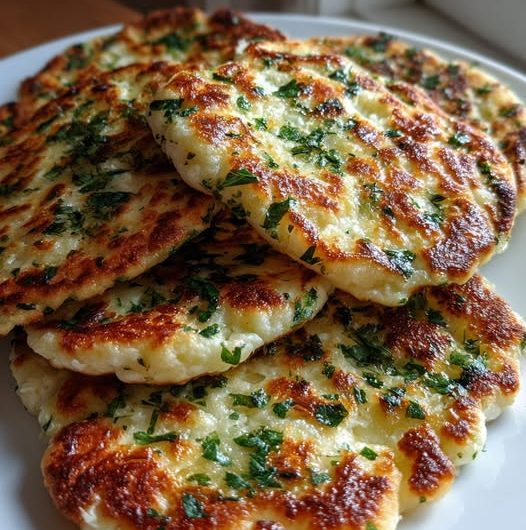
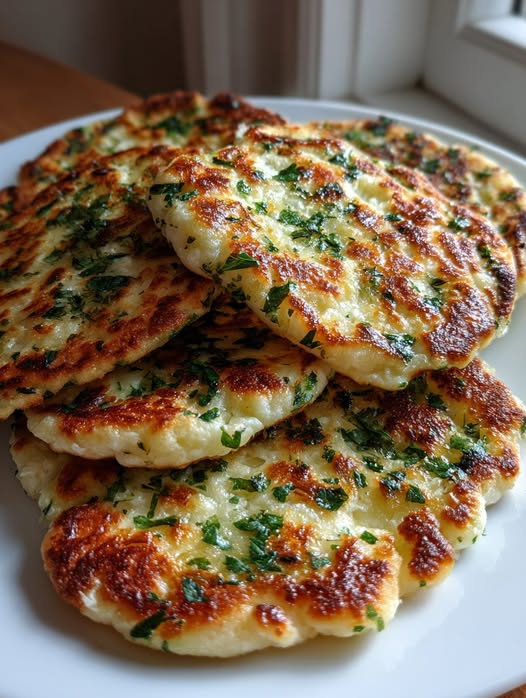
The ideal Garlic Herb White Cheese Flatbread should have a lightly crisp exterior with a soft, flexible center. It should bend easily without cracking and remain sturdy enough to hold fillings. Cooking over medium heat helps the interior cook completely while allowing the outside to develop a beautiful golden color. Removing the flatbreads from the skillet as soon as they are cooked prevents them from becoming dry. Resting them briefly before serving also allows the texture to settle naturally.
Serving Ideas for Every Meal
These homemade flatbreads are remarkably versatile and fit into many meals throughout the day. Serve them warm with soups, stews, curries, or grilled meats for a satisfying dinner. They also make excellent wraps for chicken, tuna, grilled vegetables, or falafel. At breakfast, top them with eggs, avocado, or cottage cheese for a protein-rich start to the day. They are equally delicious alongside hummus, yogurt dip, guacamole, or cream cheese as a light snack or appetizer.
Meal Prep and Storage
These flatbreads are well suited for meal preparation because they store and reheat beautifully. Allow them to cool completely before placing them in an airtight container. They can be refrigerated for several days and reheated in a skillet, microwave, or air fryer. Their soft texture remains enjoyable after reheating, making them convenient for packed lunches, quick dinners, or healthy snacks during busy weeks. Preparing a double batch is an excellent way to have fresh homemade bread available whenever needed.
Notes
Use Fresh Herbs Whenever Possible
Fresh herbs provide the brightest flavor and best appearance. If fresh herbs are unavailable, dried herbs may be substituted, although the flavor will be milder.
Cook Over Medium Heat
Almond flour browns quickly, so moderate heat is essential. Cooking too fast may burn the outside before the center is fully cooked.
Adjust Dough Moisture Carefully
Different almond flour brands absorb moisture differently. Add water only a little at a time if the dough feels dry.
Store Properly
Keep cooled flatbreads in an airtight container. Reheat gently before serving for the best texture.
Freeze for Later
These flatbreads freeze well. Separate them with parchment paper before freezing, then thaw and reheat when needed.
Why This Recipe Belongs in Your Collection
Garlic Herb White Cheese Flatbreads combine wholesome ingredients, rich flavor, and easy preparation in one versatile recipe. With almond flour, white cheese, garlic, and fresh herbs, they offer a naturally gluten-free, high-protein alternative to traditional flatbreads. Their soft texture, quick cooking time, and countless serving possibilities make them suitable for breakfast, lunch, dinner, or snacks. Whether served alongside soups, wrapped around grilled fillings, or enjoyed warm with your favorite dip, these homemade flatbreads deliver satisfying flavor while fitting many modern eating styles.
Garlic Herb White Cheese Flatbreads
These Garlic Herb White Cheese Flatbreads are soft, flavorful, and packed with protein. Made with almond flour, white cheese, fresh garlic, and herbs, they cook quickly on a skillet without yeast or kneading.
4
servings10
minutes12
minutes260
kcal22
minutesIngredients
1 cup white cheese
1 cup almond flour
1 teaspoon baking powder
2 garlic cloves, finely minced
2 tablespoons chopped fresh herbs (parsley, chives, or dill)
½ teaspoon salt
¼ teaspoon ground black pepper
1 tablespoon olive oil
¼ cup water
Directions
- Prepare the Dry Ingredients
In a large mixing bowl, combine the almond flour, baking powder, salt, black pepper, minced garlic, and chopped fresh herbs. Stir until evenly mixed. - Add the Wet Ingredients
Add the white cheese, olive oil, and water to the dry mixture. Mix until a soft, slightly sticky dough forms. - Divide the Dough
Separate the dough into 4 equal portions. Roll each portion into a ball, then gently flatten into a round flatbread of your preferred thickness. - Heat the Skillet
Place a nonstick skillet over medium heat and allow it to heat before adding the dough. - Cook the Flatbreads
Cook one flatbread at a time for 2–3 minutes per side, or until both sides are golden brown and the center is fully cooked. - Repeat
Continue cooking the remaining flatbreads using the same method. - Serve
Serve warm with soups, salads, grilled meats, curries, dips, or use as wraps and sandwich bread.
Nutrition Facts
4 servings per container
- Amount Per ServingCalories260
- % Daily Value *
- Total Fat
21g
27%
- Total Carbohydrate
8g
3%
- Protein 11g 22%
* The % Daily Value tells you how much a nutrient in a serving of food contributes to a daily diet. 2,000 calories a day is used for general nutrition advice.