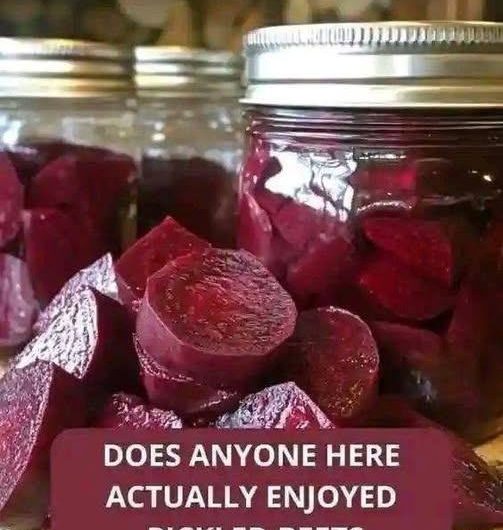
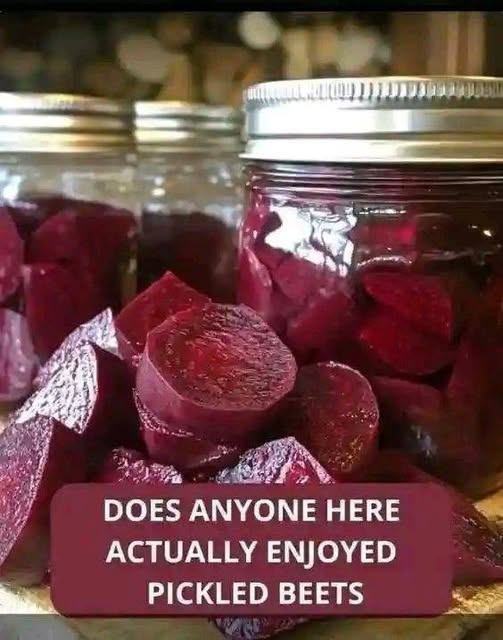
If you are looking for a simple way to preserve fresh beets while adding bold, delicious flavor, this Easy Pickled Beets Recipe is an excellent choice. These homemade pickled beets are sweet, tangy, colorful, and packed with natural goodness. They make a wonderful addition to salads, sandwiches, burgers, grain bowls, charcuterie boards, or can simply be enjoyed as a healthy snack straight from the refrigerator. Unlike many store-bought versions, homemade pickled beets allow you to control the ingredients while creating a fresher and more vibrant flavor. With only a handful of pantry staples and fresh beets, you can prepare a versatile side dish that becomes even more flavorful as it rests in the refrigerator.
Why Homemade Pickled Beets Are So Popular
Homemade pickled vegetables have been enjoyed for generations because they offer an easy way to preserve seasonal produce while creating unique flavors. Pickled beets remain one of the most popular refrigerator pickle recipes because they combine the natural sweetness of cooked beets with a balanced mixture of vinegar, sugar, garlic, and spices. The result is a vegetable that is tender, juicy, and bursting with sweet-and-sour flavor. Many people enjoy homemade pickled beets because they are fresher, less processed, and often taste better than commercially prepared versions. They are also incredibly versatile and fit into a wide variety of meals throughout the year.
Why You Make This Recipe
This Easy Pickled Beets Recipe offers everything you could want in a homemade pickle. It uses simple ingredients that are readily available, requires no special equipment beyond basic kitchen tools, and produces consistently delicious results. The preparation is straightforward enough for beginners while still delivering restaurant-quality flavor. Since the beets continue developing flavor as they chill, this recipe is perfect for meal preparation. You can prepare a batch ahead of time and enjoy delicious pickled beets whenever you need a quick side dish or healthy snack. Their bright color, refreshing taste, and satisfying texture make them popular with both adults and children.
A Healthy Addition to Everyday Meals
One of the reasons pickled beets continue to grow in popularity is their ability to enhance everyday meals without requiring additional cooking. They add vibrant color, natural sweetness, and refreshing acidity that brighten many different dishes. Whether served alongside grilled chicken, roasted fish, burgers, sandwiches, or fresh salads, pickled beets provide balance and freshness that complement rich main courses. Because they are prepared in advance, they also save valuable cooking time during busy weekdays.
A Perfect Balance of Sweet and Tangy Flavors
The appeal of homemade pickled beets comes from the careful balance between sweetness and acidity. Fresh cooked beets already possess a mild earthy sweetness, which becomes even more enjoyable when combined with a lightly sweetened vinegar brine. Garlic, peppercorns, bay leaves, and optional onions introduce additional layers of flavor without overpowering the natural taste of the beets. Every bite offers gentle sweetness followed by refreshing tanginess, creating a well-rounded flavor profile that keeps you coming back for more.
Ingredients Overview
This recipe uses only a few simple ingredients, but each one contributes an important role in creating the final flavor and texture. Choosing fresh, high-quality ingredients helps ensure the finished pickled beets remain colorful, tender, and delicious.
Fresh Beets
Fresh beets are naturally sweet, nutritious, and beautifully colorful. Medium or small beets are generally preferred because they cook more evenly and often have a more tender texture than very large beets. Leaving the skins on during cooking helps preserve both their vibrant color and natural juices until they are ready to peel.
White Vinegar
White vinegar forms the foundation of the pickling liquid. Its clean acidity preserves the beets while creating the signature tangy flavor associated with classic pickled vegetables. The vinegar also helps maintain the bright color of the beets during storage.
Water
Water softens the sharpness of the vinegar and creates a balanced pickling solution. Combining water with vinegar ensures the finished beets are pleasantly tangy without becoming overwhelmingly acidic.
Sugar
Sugar balances the acidity of the vinegar while enhancing the natural sweetness of the beets. The amount used in this recipe creates a pleasant sweet-and-sour flavor that complements rather than masks the vegetable’s natural taste.
Salt
Salt enhances every ingredient while helping create a well-balanced pickling liquid. Even a relatively small amount makes a noticeable difference by bringing together the sweetness, acidity, and spice.
Garlic
Fresh sliced garlic contributes a gentle savory aroma that blends beautifully with the vinegar and sweet beets. As the beets sit in the refrigerator, the garlic slowly infuses the pickling liquid with additional depth of flavor.
Black Peppercorns
Whole black peppercorns provide subtle warmth without making the pickling liquid spicy. They contribute gentle seasoning that becomes more noticeable after the beets have rested for several days.
Bay Leaves
Bay leaves introduce delicate herbal notes that enrich the overall flavor of the pickling liquid. Although mild, they contribute complexity that makes homemade pickled beets taste more refined.
Optional Onion
Thinly sliced onion is an optional ingredient that adds sweetness, mild sharpness, and extra texture. Red onions are especially attractive because they complement the deep red color of the beets while adding a slightly sweeter flavor.
Why Fresh Beets Produce Better Results
Fresh beets provide better flavor, texture, and appearance than pre-cooked or canned varieties. Cooking whole beets with their skins intact helps preserve moisture while preventing excessive color loss. After cooking, the skins slip off easily, leaving smooth, vibrant beets ready for slicing. Starting with fresh vegetables gives you complete control over the final texture, allowing you to prepare beets that remain tender without becoming mushy.
Why Refrigerator Pickling Is So Convenient
Refrigerator pickling is one of the simplest preservation methods available because it requires no complicated canning process. Instead of processing sealed jars, the cooked beets are covered with hot pickling liquid and stored in the refrigerator. Over the next several days, the vegetables gradually absorb the sweet and tangy flavors while remaining crisp and fresh. This method is perfect for home cooks who want homemade pickles without investing in specialized canning equipment.
A Great Recipe for Meal Prep
Easy Pickled Beets are an excellent addition to weekly meal preparation. Since they remain fresh in the refrigerator for several weeks, you can prepare one batch and enjoy it with multiple meals. Having homemade pickled vegetables ready to serve makes it easy to add color, flavor, and nutrition to lunches, dinners, and snacks without additional preparation. They also help reduce food waste by allowing fresh beets to be enjoyed long after cooking.
Naturally Colorful and Nutritious
In addition to their delicious flavor, beets are naturally rich in vitamins, minerals, antioxidants, and dietary fiber. Their deep red color comes from beneficial plant compounds that make them one of the most visually appealing vegetables available. Preparing them at home allows you to enjoy these nutritional benefits while avoiding unnecessary preservatives or artificial ingredients commonly found in some commercially packaged products.
Step-by-Step Preparation Guide
Making homemade pickled beets is much easier than many people expect. With only a few simple steps, you can transform fresh beets into a delicious sweet and tangy side dish that stays fresh in the refrigerator for weeks. Taking your time with each stage—from cooking the beets to preparing the pickling liquid—helps develop the best flavor and texture. Although the recipe is beginner-friendly, following each step carefully ensures consistently delicious results every time.
Step 1: Wash and Cook the Beets
Begin by washing the fresh beets thoroughly under cool running water to remove any dirt or debris. Leave the skins and stems attached because they help retain the beet’s natural juices and vibrant color during cooking. Place the cleaned beets into a large pot and cover them completely with water. Bring the water to a boil over medium-high heat, then reduce the heat to a gentle simmer. Cook the beets for approximately 35 to 45 minutes, depending on their size, until they become fork tender. Smaller beets generally cook more quickly, while larger ones may require additional time.
Step 2: Cool, Peel, and Slice
Drain the cooked beets and allow them to cool until they are comfortable to handle. Once cooled slightly, gently rub the skins away using your hands or a paper towel. The skins should slide off easily without requiring a knife. Slice the peeled beets into thin rounds, wedges, or bite-sized cubes according to your personal preference. Uniform slices allow the pickling liquid to penetrate evenly, producing consistent flavor throughout every piece.
Step 3: Prepare the Pickling Liquid
In a small saucepan, combine the white vinegar, water, sugar, salt, whole black peppercorns, sliced garlic, and bay leaves. Stir the ingredients together over medium heat until the sugar dissolves completely. Bring the mixture to a gentle boil, then remove it from the heat. The warm pickling liquid allows the flavors of the spices and garlic to blend together before being poured over the cooked beets.
Step 4: Fill the Jar
Place the sliced beets into a clean glass jar or another non-reactive container with a tight-fitting lid. If using the optional sliced onion, layer it between the beet slices for additional flavor. Slowly pour the hot pickling liquid over the vegetables until they are completely submerged. Make sure the garlic, peppercorns, and bay leaves are distributed throughout the jar so every portion benefits from the infused flavors.
Step 5: Cool and Refrigerate
Allow the filled jar to cool completely at room temperature before sealing it with the lid. Once cooled, transfer the jar to the refrigerator. For the best flavor, refrigerate the pickled beets for at least 24 hours before serving. Although they can be eaten after one day, the flavor continues to improve over the next two to three days as the beets absorb more of the sweet and tangy pickling liquid.
Understanding the Texture
One of the reasons homemade pickled beets are so enjoyable is their satisfying texture. Properly cooked beets remain tender while still holding their shape after slicing. The pickling liquid gradually softens the surface while preserving a pleasant bite. Every slice becomes juicy and flavorful without becoming mushy. The garlic and onions remain slightly crisp, adding subtle texture alongside the smooth, tender beets.
Common Mistakes to Avoid
Although this recipe is straightforward, avoiding a few common mistakes helps guarantee the best possible results.
Overcooking the Beets
Cooking the beets for too long may cause them to become overly soft, making them more likely to break apart during slicing and storage. Remove the beets from the water once they are easily pierced with a fork but still maintain their structure.
Skipping the Cooling Step
Attempting to peel very hot beets can be uncomfortable and difficult. Allowing them to cool slightly makes peeling much easier while preventing accidental burns.
Using Metal Containers
Vinegar reacts with certain metals, which can affect both flavor and appearance. Always store refrigerator pickled beets in clean glass jars or other non-reactive containers designed for food storage.
Not Allowing Enough Pickling Time
Freshly prepared pickled beets need time to absorb the flavors of the vinegar, garlic, and spices. Waiting at least 24 hours—and preferably two to three days—results in a richer and more balanced flavor.
Flavor Variations
One of the best features of this Easy Pickled Beets Recipe is its versatility. A few simple additions can create exciting new flavor profiles while keeping the original preparation method intact.
Apple Cider Pickled Beets
Replace the white vinegar with apple cider vinegar for a slightly milder and naturally sweeter flavor. This variation produces a softer acidity that complements the earthy sweetness of the beets beautifully.
Warm Spiced Pickled Beets
Add whole cloves or a small cinnamon stick to the pickling liquid for a warm, aromatic flavor that is especially enjoyable during autumn and winter meals.
Garlic Lover’s Pickled Beets
Increase the amount of sliced garlic for a stronger savory flavor that pairs exceptionally well with roasted meats, sandwiches, and grain bowls.
Sweet Onion Pickled Beets
Use red onion instead of white onion to add a touch of sweetness and even more vibrant color to the finished jar.
Serving Suggestions
Homemade pickled beets are extremely versatile and complement many different meals. Add them to fresh green salads with goat cheese or feta, layer them into sandwiches and burgers, or serve them alongside grilled chicken, roasted turkey, baked fish, or smoked meats. They also work wonderfully in grain bowls, pasta salads, and charcuterie boards. For a quick and healthy snack, enjoy chilled beet slices directly from the refrigerator.
Storage Instructions
Store the pickled beets in a tightly sealed glass jar in the refrigerator for up to 3 weeks. Always use a clean utensil when removing beets from the jar to help maintain freshness. The beets should remain fully submerged in the pickling liquid during storage for the best flavor and quality. Freezing is not recommended because it can significantly change the texture after thawing.
Nutrition Benefits
Beets are naturally rich in dietary fiber, folate, potassium, vitamin C, and beneficial plant compounds that contribute to their deep red color. Garlic provides additional antioxidants, while the vinegar-based pickling liquid contains very little fat. Because this recipe relies on simple ingredients rather than artificial preservatives, it offers a flavorful way to enjoy vegetables while adding variety to everyday meals.
Notes
Wear disposable gloves while handling cooked beets if you want to avoid staining your hands. Thinly sliced beets absorb the pickling liquid more quickly, producing stronger flavor in less time. Smaller beets generally cook faster and often have a sweeter, more tender texture than very large ones. For the richest flavor, allow the beets to refrigerate for 2 to 3 days before serving. Apple cider vinegar may be substituted for white vinegar if you prefer a slightly milder, fruitier taste. Proper refrigeration and using a clean glass container will help keep your homemade pickled beets fresh and delicious for up to three weeks.
Easy Pickled Beets Recipe
These Easy Pickled Beets are sweet, tangy, colorful, and packed with fresh flavor. Made with tender cooked beets, vinegar, sugar, garlic, and aromatic spices, they are a delicious addition to salads, sandwiches, burgers, grain bowls, or served as a healthy side dish.
8
servings15
minutes45
minutes24
hoursIngredients
2 pounds fresh beets
1 cup white vinegar
1 cup water
1/2 cup sugar
1 teaspoon salt
1/2 teaspoon whole black peppercorns
2 garlic cloves, thinly sliced
1 small onion, sliced (optional)
2 bay leaves
Directions
- Cook the Beets
Wash the fresh beets thoroughly to remove any dirt while leaving the skins intact.
Place the beets into a large pot and cover them completely with water.
Bring to a boil over medium-high heat, then reduce to a gentle simmer.
Cook for 35–45 minutes, or until the beets are fork tender.
Drain the water and allow the beets to cool slightly. - Peel and Slice
Once the beets are cool enough to handle, gently rub off the skins using your hands or a paper towel.
Slice the peeled beets into rounds, wedges, or cubes according to your preference. - Prepare the Pickling Brine
In a small saucepan, combine:
White vinegar
Water
Sugar
Salt
Black peppercorns
Sliced garlic
Bay leaves
Bring the mixture to a gentle boil while stirring until the sugar has completely dissolved.
Remove the saucepan from the heat. - Fill the Jar
Arrange the sliced beets inside a clean glass jar or another non-reactive container.
If using, add the sliced onion between the beet layers.
Carefully pour the hot pickling brine over the beets until they are completely covered.
Ensure the garlic, peppercorns, and bay leaves are evenly distributed. - Cool and Refrigerate
Allow the jar to cool completely at room temperature.
Seal with a lid and refrigerate for at least 24 hours before serving.
For the richest flavor, allow the beets to pickle for 2–3 days.
Nutrition Facts
8 servings per container
- Amount Per ServingCalories95
- % Daily Value *
- Total Fat
0g
0%
- Total Carbohydrate
23g
9%
- Protein 2g 4%
* The % Daily Value tells you how much a nutrient in a serving of food contributes to a daily diet. 2,000 calories a day is used for general nutrition advice.