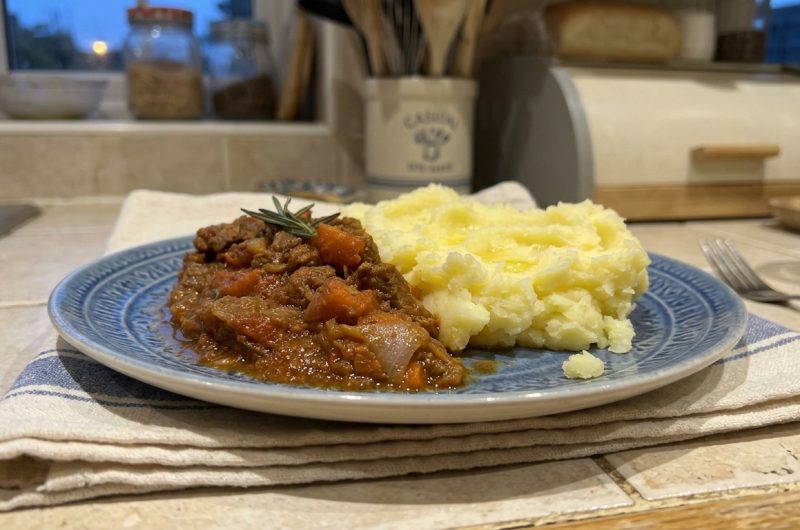
Few homemade meals are as comforting and satisfying as a hearty bowl of Beef Stew with Mashed Potatoes. This timeless comfort food combines slow-cooked beef, wholesome vegetables, and a rich, savory gravy served over smooth, buttery mashed potatoes. Every bite offers a wonderful balance of tender meat, flavorful vegetables, and creamy potatoes that make this dish perfect for family dinners, meal prep, holiday gatherings, or chilly evenings. Unlike quick one-pot meals, this recipe develops its incredible flavor through slow simmering, allowing each ingredient to contribute to the rich and satisfying taste.
Whether you are preparing a cozy Sunday dinner or looking for a filling meal to enjoy throughout the week, this traditional beef stew recipe delivers delicious results every time.
Why This Beef Stew Recipe Stands Out
There are countless beef stew recipes, but the secret to an unforgettable stew lies in patience and simple, high-quality ingredients. Instead of relying on complicated techniques, this recipe transforms everyday pantry staples into an impressive homemade meal. The beef is carefully browned before simmering, creating deep caramelized flavors that form the foundation of the rich gravy. Fresh vegetables slowly cook alongside the meat, absorbing the savory broth while adding their own natural sweetness.
The creamy mashed potatoes provide the perfect base, soaking up every spoonful of the flavorful stew. This combination creates a complete meal that is both comforting and satisfying without requiring expensive ingredients.
Why This is Homemade Comfort Food
One of the greatest strengths of this recipe is its versatility. It works beautifully for casual family dinners, special weekend meals, or make-ahead meal planning. The ingredients are easy to find in most grocery stores, and the cooking process is straightforward enough for beginners while still producing restaurant-quality flavor.
The stew also tastes even better the next day as the ingredients continue to blend together, making leftovers something to look forward to. Since both the stew and mashed potatoes can be prepared ahead of time, this recipe is also an excellent choice for busy households that appreciate convenient homemade meals.
Choosing the Best Beef
The quality of the beef plays a major role in the final texture of the stew. Chuck roast and beef stew meat are among the best choices because they contain enough connective tissue and marbling to become exceptionally tender during slow cooking.
Although these cuts may seem firm before cooking, gentle simmering over a long period transforms them into juicy, fork-tender pieces that practically melt in your mouth. Leaner cuts of beef may cook more quickly, but they often lack the rich flavor and tenderness that make traditional beef stew so satisfying. Taking time to choose the right cut ensures a much more flavorful and enjoyable meal.
The Importance of Browning the Beef
One step that should never be skipped is browning the beef before adding the liquids. Searing the meat in olive oil develops a deep golden crust through caramelization, creating layers of savory flavor that cannot be achieved by simmering alone. This process also leaves flavorful browned bits at the bottom of the pot, which dissolve into the broth during cooking and enrich the entire stew. Browning the beef in small batches rather than overcrowding the pan helps each piece develop a beautiful crust while preventing excess moisture from steaming the meat instead of searing it.
Fresh Vegetables Build the Flavor Base
The combination of onions, carrots, celery, and garlic forms the classic foundation of many traditional beef stews. Each vegetable contributes its own unique flavor while enhancing the richness of the broth. Onions provide sweetness as they soften, carrots add gentle natural sugars that balance the savory ingredients, celery contributes freshness, and garlic introduces aromatic depth. As these vegetables slowly simmer alongside the beef, they absorb the flavorful broth while gradually releasing their own natural flavors. Together, they create a balanced stew that tastes rich without becoming overwhelming.
A Rich and Flavorful Homemade Gravy
One of the defining features of an excellent beef stew is its thick, savory gravy. This recipe develops its rich consistency naturally by combining flour with the cooked vegetables before adding the liquids. As the broth, water, tomato paste, and Worcestershire sauce blend together, they create a flavorful cooking liquid that gradually thickens during the long simmer. Tomato paste contributes subtle richness and color, while Worcestershire sauce adds depth with its savory umami flavor. The result is a smooth, hearty gravy that perfectly coats every piece of beef and vegetable while complementing the creamy mashed potatoes.
Creamy Mashed Potatoes Complete the Meal
While the beef stew is undoubtedly the star of the dish, creamy mashed potatoes provide the perfect finishing touch. Their smooth texture contrasts beautifully with the hearty stew while absorbing the rich gravy in every bite. Russet potatoes produce light, fluffy mashed potatoes, while Yukon Gold potatoes create an especially creamy and buttery consistency. Butter and milk blend effortlessly into the cooked potatoes, producing a silky texture that pairs perfectly with the savory beef. Whether served in a shallow bowl or on a dinner plate, the mashed potatoes transform the stew into a complete and satisfying comfort food meal.
Perfect for Family Dinners and Special Occasions
One reason this recipe has remained popular for generations is its ability to bring people together around the dinner table. A large pot of homemade beef stew creates enough servings to feed the entire family while filling the kitchen with an inviting aroma as it slowly cooks. It is equally suitable for casual weeknight meals, holiday gatherings, Sunday dinners, or sharing with friends. Since the recipe reheats exceptionally well, it is also a practical choice for meal preparation and leftovers. Its combination of hearty ingredients, rich flavor, and creamy mashed potatoes makes it a comforting classic that never goes out of style.
Serving Suggestions That Complete the Meal
Beef stew with mashed potatoes is a complete meal on its own, but pairing it with a few simple side dishes can make dinner even more enjoyable. Warm dinner rolls or crusty artisan bread are perfect for soaking up every bit of the rich gravy. A crisp garden salad with a light vinaigrette provides freshness that balances the hearty stew, while steamed green beans, roasted broccoli, or glazed carrots add extra color and nutrition to the plate. For family gatherings or holiday meals, serving this stew alongside roasted seasonal vegetables creates an impressive and satisfying spread that everyone will enjoy.
Simple Flavor Variations to Try
One of the reasons homemade beef stew remains so popular is its versatility. Once you master the classic version, you can easily customize it with additional ingredients while keeping its comforting character. For a mushroom beef stew, stir sliced mushrooms into the vegetables before adding the broth. If you enjoy richer flavors, replace one cup of beef broth with red wine to create a deeper, more complex gravy. Fresh herbs such as rosemary or parsley add brightness, while extra garlic creates a more robust flavor. Green peas or green beans can be stirred into the stew during the final minutes of cooking to add freshness and vibrant color without changing the original recipe too much.
Why Slow Cooking Produces Better Results
The secret behind exceptional beef stew is allowing enough time for every ingredient to develop its full flavor. Slow simmering gradually breaks down the connective tissues within the beef, transforming firm chunks into incredibly tender pieces that can be cut easily with a fork. At the same time, the vegetables soften without falling apart, while the broth becomes richer as it absorbs the natural juices released during cooking. Unlike quick-cooking recipes, slow simmering gives every ingredient time to blend together naturally, creating a stew with remarkable depth and balance. Although patience is required, the final result is well worth the wait.
Common Mistakes to Avoid
Even a simple beef stew can be affected by a few avoidable mistakes. Skipping the browning step is one of the biggest errors because it prevents the meat from developing the rich caramelized flavor that gives the stew its signature taste. Cooking the stew too quickly over high heat can leave the beef tough instead of tender. Overcooking the potatoes for the mash may cause them to become watery, while forgetting to remove the bay leaf before serving can affect the eating experience. Taking your time throughout the cooking process helps produce a rich, flavorful meal with the perfect texture.
Helpful Tips for Perfect Beef Stew Every Time
A few simple techniques can consistently improve your results. Brown the beef thoroughly in batches rather than overcrowding the pot. This creates a richer base for the gravy. Allow the stew to simmer gently instead of boiling rapidly, which helps the meat remain tender. Yukon Gold potatoes produce exceptionally creamy mashed potatoes, while Russet potatoes create a lighter and fluffier texture. If the stew becomes thicker than desired, stir in a little extra beef broth until the consistency is just right. Fresh herbs added near the end of cooking brighten the finished dish without overpowering its traditional flavor.
Storage and Reheating Instructions
This recipe is ideal for preparing in advance because its flavor often improves after a day in the refrigerator. Allow the stew and mashed potatoes to cool before storing them in separate airtight containers. Refrigerate for up to four days. When reheating, warm the stew slowly on the stovetop over medium-low heat, stirring occasionally to prevent sticking. If the gravy has thickened too much, simply add a splash of beef broth or water until the desired consistency returns. Mashed potatoes can be reheated gently in the microwave or on the stovetop with a small amount of milk or butter to restore their creamy texture.
Freezing for Future Meals
Beef stew freezes exceptionally well, making it an excellent choice for meal preparation. Once completely cooled, transfer the stew into freezer-safe containers or heavy-duty freezer bags and freeze for up to three months. For the best texture, prepare fresh mashed potatoes when serving, although mashed potatoes can also be frozen if desired. Thaw the stew overnight in the refrigerator before reheating gently. Having homemade beef stew ready in the freezer provides a convenient solution for busy days when you want a hearty homemade dinner without starting from scratch.
A Nutritious and Satisfying Family Meal
This classic comfort food offers much more than wonderful flavor. Beef provides high-quality protein along with important minerals such as iron and zinc that support overall health. Carrots, celery, onions, and potatoes contribute dietary fiber, vitamins, and minerals that make the meal both balanced and filling. The combination of protein, vegetables, and carbohydrates provides lasting energy while creating a satisfying dinner suitable for both adults and children. Because the recipe relies on simple, wholesome ingredients, it remains a favorite for families looking for nourishing homemade meals.
Why This Recipe Belongs in Every Home Kitchen
Some recipes remain popular because they are reliable, comforting, and always satisfying, and Beef Stew with Mashed Potatoes is one of those timeless classics. It transforms affordable ingredients into a rich and flavorful meal that feels special enough for holidays yet simple enough for everyday dinners. Whether you prepare it in a Dutch oven, heavy stockpot, or slow cooker, the result is consistently delicious. Its hearty texture, tender beef, creamy mashed potatoes, and savory gravy create a complete meal that everyone looks forward to enjoying.
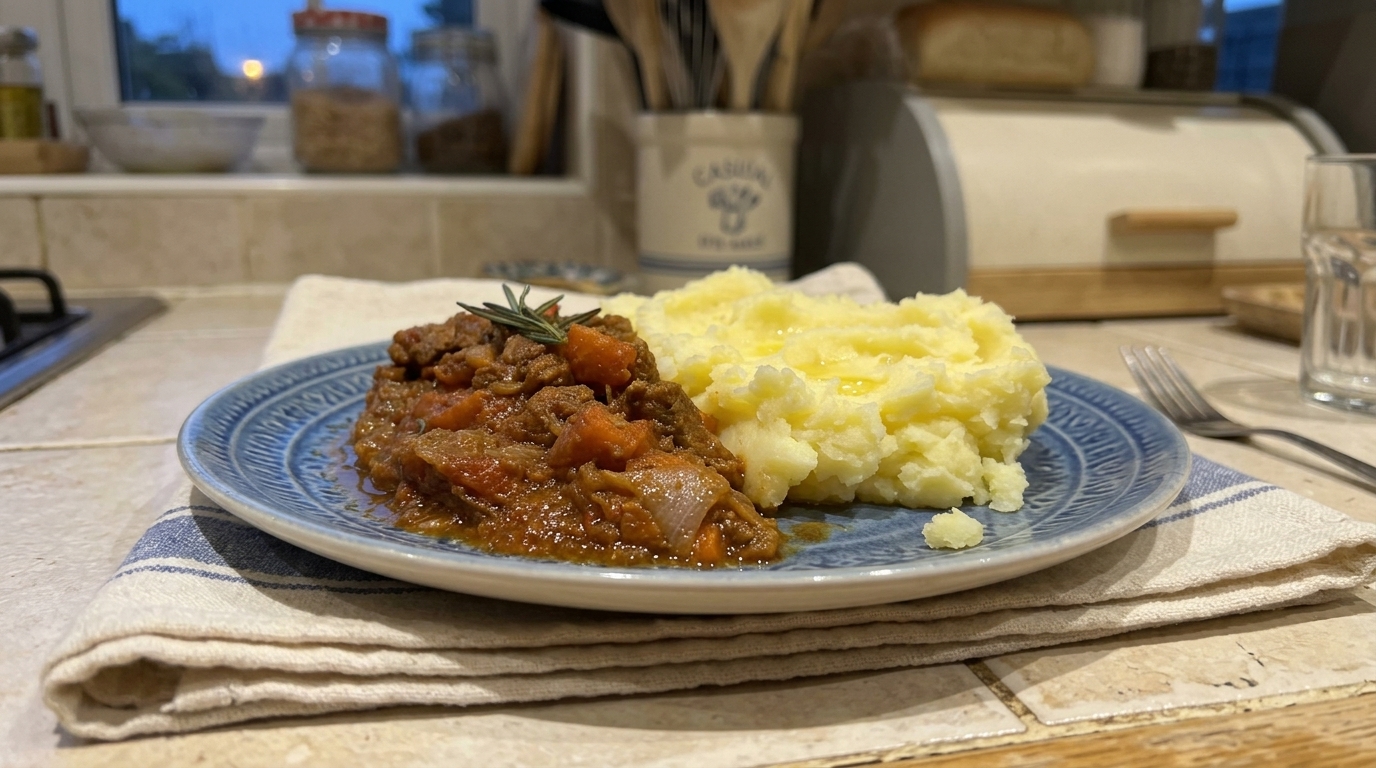
High Protein Beef Stew With Creamy Mashed Potatoes
A comforting homemade beef stew made with lean beef, onions, carrots, garlic, vegetable broth, crushed tomatoes, thyme, and bay leaves, served over creamy mashed potatoes prepared with butter and milk.
4
servings20
minutes1
hour30
minutes1138
kcal1
hour50
minutesIngredients
- Stew
2.2 lbs lean beef cubed
2 large onions chopped
4 large carrots diced
5 garlic cloves minced
4 cups vegetable broth 1 stock cube + water
1 can 14 oz crushed tomatoes
2 teaspoon fresh thyme or 1 teaspoon dried
2 bay leaves optional
2 tablespoon olive oil extra virgin
- Mash
2.2 lbs potatoes peeled and cubed
7 tablespoon butter (just under 1 stick/3.5 oz )
3.5 tablespoon milk
Salt to taste
Directions
- Heat 2 tablespoons of extra virgin olive oil in a large pan or Dutch oven over medium-high heat. Allow the oil to heat for approximately 30 seconds.
- Add all the cubed lean beef to the pan. Cook for about 3 to 4 minutes, turning the pieces so they become lightly browned on different sides.
- Add the chopped onions, diced carrots, minced garlic, thyme, and bay leaves, if using, directly over the beef. Stir everything together for approximately 2 minutes, allowing the onions to soften and the garlic to become fragrant.
- Pour the vegetable broth into the pan and add a pinch of salt. Stir the ingredients together so the beef and vegetables are surrounded by the broth.
- Cover the pan and reduce the heat to low. Allow the stew to simmer gently for 1 hour. Stir every 20 to 30 minutes to help prevent the ingredients from sticking.
- After the first hour, add the crushed tomatoes. Stir well and continue simmering the stew for another 30 minutes.
- While the stew is cooking, peel and cube the potatoes. Place them in salted water and boil for approximately 15 to 20 minutes, or until tender.
- Drain the cooked potatoes thoroughly. Add the butter and milk, then mash until the potatoes are smooth and creamy. Season with salt to taste.
- When the beef stew is ready, remove the bay leaves. Serve the hearty stew over or alongside the creamy mashed potatoes.
- For leftovers, allow the stew and mashed potatoes to cool completely before transferring them to separate airtight containers. Refrigerate for up to 3 days or freeze separately for up to 3 months.
Nutrition Facts
- Total number of serves: 1
- Calories: 1138kcal
- Fat: 78g
- Carbohydrates: 60g
- Fiber: 8g
- Sugar: 10g
- Protein: 50g