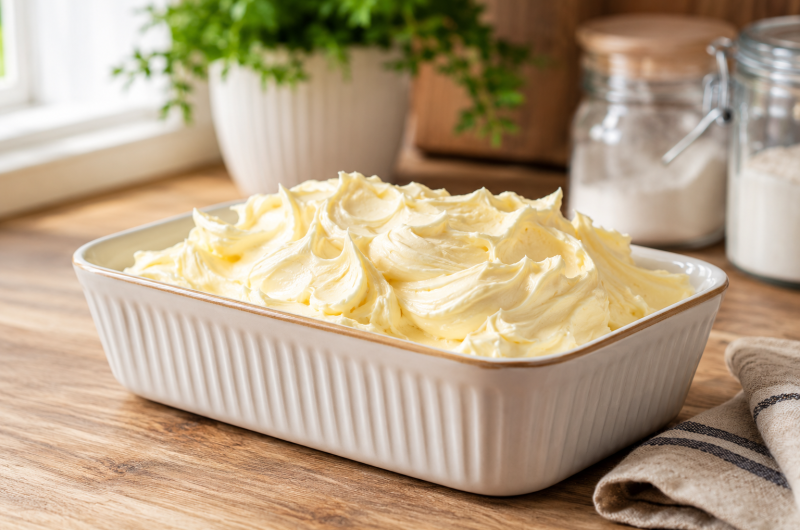
Keto whipped butter is a simple way to transform ordinary butter into a soft, airy, and creamy spread that fits easily into a ketogenic lifestyle. By whipping softened butter with a small amount of heavy whipping cream, you create a lighter texture that spreads smoothly over keto bread, chaffles, cooked vegetables, and grilled steaks. It delivers the rich taste of traditional butter while making each serving feel softer and easier to use.
Homemade whipped butter is especially useful for people following a low-carb or high-fat eating plan because it can be prepared with just a few basic ingredients. You do not need complicated equipment, special cooking skills, or a long preparation time. A hand mixer or stand mixer is enough to incorporate air into the butter and produce a fluffy consistency that works for everyday meals.
One of the best features of this keto butter recipe is its versatility. You can keep it plain for everyday use, add a little powdered keto sweetener for a lightly sweetened spread, or experiment with savory flavors such as garlic and herbs. With a few simple adjustments, the same basic recipe can complement breakfast, lunch, dinner, and even selected low-carb desserts.
What Makes Keto Whipped Butter Different?
Regular butter is dense and firm when refrigerated, which can make it difficult to spread directly onto cold bread or other foods. Whipped butter has a different consistency because air is incorporated during mixing. This creates a softer, fluffier spread that is easier to portion and distribute across your favorite foods.
The addition of heavy whipping cream helps loosen the softened butter and gives the finished mixture a smoother, lighter feel. When the ingredients are whipped properly, the result is creamy without becoming unnecessarily complicated to prepare. The butter still retains its characteristic richness, making it a satisfying addition to meals where a little extra flavor and moisture are welcome.
For anyone following a ketogenic diet, the main appeal is the recipe’s simple ingredient list and low carbohydrate content. Butter and heavy cream generally contain very few carbohydrates, although the exact amount depends on the products used. If you choose to include powdered erythritol or monk fruit sweetener, check the product label because formulations and carbohydrate declarations vary between brands.
Why You Will Love This Easy Keto Butter Recipe
Quick and convenient preparation
This homemade whipped butter requires only a few minutes of active preparation. Once the butter has softened, you can combine the ingredients and whip them until the mixture becomes pale, smooth, and fluffy. There is no stovetop cooking, baking, or complicated preparation process involved, making this recipe practical even on busy days.
Soft and spreadable texture
The airy consistency makes whipped butter easier to spread than a cold block of butter straight from the refrigerator. It works particularly well on warm keto toast, freshly cooked chaffles, and low-carb rolls. A small amount can also melt over hot vegetables or grilled meat, creating a rich coating that adds flavor without requiring a separate sauce.
Suitable for low-carb meals
The basic recipe uses butter and heavy whipping cream, which are naturally low in carbohydrates. This makes it a convenient option for people who plan meals around carbohydrate limits. However, individual nutritional needs differ, and sweetened variations should be evaluated according to the specific sweetener and portion size used.
Easy to customize
Plain whipped butter is delicious on its own, but you can adjust its flavor to match different dishes. Garlic and herbs make it suitable for savory meals, while cinnamon or a keto-friendly sweetener can create a sweeter version for breakfast. Keeping the base recipe neutral allows you to experiment without needing a completely different recipe each time.
Useful for meal preparation
Preparing a batch ahead of time gives you a ready-to-use spread for several meals. Store it in a clean, covered container in the refrigerator and take out the amount you need. Its consistency will become firmer when chilled, but a short period at room temperature can make it easier to spread again.
Ingredients for Homemade Keto Whipped Butter
Unsalted butter
Unsalted butter provides the main flavor, richness, and structure of this recipe. Choose a good-quality butter that you enjoy eating, since its taste will remain noticeable in the finished spread. Allow the butter to soften before mixing so that the beaters can incorporate air evenly. Butter that is too cold may form lumps, while butter that becomes melted or greasy will not whip as effectively.
Using unsalted butter also gives you greater control over the final seasoning. You can add the optional salt gradually and adjust the flavor to suit your preference. If you only have salted butter, you can still prepare the recipe, but it is sensible to leave out the additional salt until you have tasted the mixture.
Heavy whipping cream
Heavy whipping cream helps create a lighter, silkier consistency. Rather than adding a large amount at once, begin with the smaller quantity and increase it gradually if necessary. This gives you better control over the texture and helps prevent the butter from becoming too loose.
Use cream that is fresh and properly refrigerated before preparation. Add it while mixing at a moderate speed, then continue whipping until the ingredients look smooth and evenly combined. The finished texture will depend on the butter’s temperature, the amount of cream added, and the power of your mixer.
Optional salt
Salt can enhance the buttery flavor and balance the richness of the cream. A small quantity is usually enough, particularly when the butter will be served with already-seasoned foods. For a sweeter variation, you may prefer to omit the salt or use only a very small amount.
Optional powdered keto sweetener
Powdered erythritol or monk fruit sweetener can provide sweetness without requiring ordinary granulated sugar. Powdered sweeteners are particularly useful because they tend to blend more evenly into soft butter than coarse granules. Add the sweetener gradually, tasting as you go, to achieve the level of sweetness you prefer.
Choose a product that suits your dietary requirements and check whether it contains additional ingredients. Some monk fruit products are blended with erythritol or other sweeteners, so their texture and sweetness can vary. The optional sweetener is not necessary for the basic recipe.
How to Make Keto Whipped Butter
Step 1: Soften the butter
Remove the butter from the refrigerator and allow it to soften until it is pliable but still holds its shape. This is an important step because softened butter is easier to whip and produces a more even texture. Avoid melting it in the microwave, as liquid butter will not trap air in the same way as properly softened butter.
You should be able to press the butter gently with a finger without finding it hard in the center. Cut it into smaller pieces if you want it to soften more evenly. Once ready, place it in a mixing bowl with enough room for the mixture to expand as air is incorporated.
Step 2: Begin whipping
Use a hand mixer or stand mixer fitted with a suitable beater attachment. Beat the softened butter until it becomes smooth and creamy, scraping down the sides of the bowl when necessary. Starting with the butter alone helps break up firm areas before you introduce the cream and other ingredients.
Continue mixing until the butter looks more uniform and begins to appear slightly lighter. The exact time will depend on your equipment and the starting temperature of the butter. Keep the mixer at a manageable speed to prevent pieces of butter from scattering outside the bowl.
Step 3: Add the heavy whipping cream
Pour in two tablespoons of heavy whipping cream while mixing at a low or medium speed. Allow the cream to blend into the butter before deciding whether the additional tablespoon is needed. If you want a particularly soft and airy spread, the full amount may be useful, but adding it gradually gives you more control over the final consistency.
Stop occasionally to scrape the bowl and check for any cream or butter that has collected around the edges. Continue beating until the mixture looks creamy and evenly combined. If the butter appears too soft, pause the mixing and chill it briefly before whipping again.
Step 4: Season the mixture
Add the optional salt and powdered erythritol or monk fruit sweetener, depending on how you plan to use the butter. If you want a neutral spread, you can leave out the sweetener entirely. For a lightly sweetened version, begin with one teaspoon and add more only after tasting the mixture.
Beat briefly after adding the seasonings so that they distribute throughout the butter. Avoid adding too much sweetener at the beginning, especially if you are using a concentrated product. The goal is to create a balanced flavor that complements the foods you intend to serve.
Step 5: Whip until fluffy
Continue beating the mixture until it looks noticeably lighter, smooth, and airy. Stop the mixer occasionally to check the texture rather than relying only on a fixed mixing time. The butter should be easy to scoop and spread, with no visible lumps of cold butter or streaks of cream.
If the mixture becomes warm from extended mixing, refrigerate it briefly and then continue. Do not expect the finished product to have exactly the same firmness as a block of refrigerated butter. Its defining characteristic is its softer, whipped consistency, which may become firmer after chilling.
Step 6: Transfer and serve
Spoon the whipped butter into a clean, airtight container and smooth the surface with a spatula if desired. You can serve it immediately while soft or refrigerate it for later use. For the best spreading experience, allow a chilled portion to soften slightly before serving, while following safe food-handling practices.
Use a clean utensil each time you take butter from the container. This helps reduce contamination and supports better storage quality. If you are preparing separate sweet and savory versions, storing them in different containers will also make them easier to use with different meals.
Best Ways to Serve Keto Whipped Butter
With keto bread and chaffles
Keto bread, low-carb rolls, and chaffles are natural partners for this fluffy spread. A thin layer adds moisture and buttery flavor without making the bread feel heavy. Spread it over warm toast for breakfast or serve it alongside eggs for a simple meal that requires little additional preparation.
With vegetables
Steamed broccoli, roasted cauliflower, asparagus, and zucchini can all benefit from a small amount of whipped butter. Add it after cooking so that the warmth of the vegetables softens the butter and distributes its flavor. For a savory version, prepare the butter with herbs or garlic to complement the natural taste of the vegetables.
With steak and other savory dishes
A spoonful of whipped butter can be served with grilled steak, roasted chicken, or other savory main dishes. As the butter softens on hot food, it creates a rich finish that can make a simple meal feel more satisfying. Keep the seasoning appropriate for the dish, especially if the meat already contains salt, spices, or a flavorful marinade.
With low-carb sweet treats
A lightly sweetened version can accompany suitable low-carb pancakes, keto muffins, or other desserts. Cinnamon can add a warm flavor that pairs well with breakfast foods, while a small amount of powdered sweetener provides additional sweetness. Remember that the suitability of the complete dish depends on its ingredients, not just whether the butter itself is low in carbohydrates.
Frequently Asked Questions
Is keto whipped butter suitable for a ketogenic diet?
The basic recipe is generally compatible with a ketogenic eating pattern because butter and heavy whipping cream contain very few carbohydrates. However, the precise nutritional values depend on the brands, ingredient quantities, and serving size. If you follow a strict carbohydrate target, calculate the nutrition using the labels of the products you actually use.
Can I make this recipe without a sweetener?
Yes. The powdered erythritol or monk fruit sweetener is optional and can be omitted completely. Unsweetened whipped butter is suitable for both sweet and savory meals, and you can add herbs or other seasonings later if you want a more distinctive flavor.
Can I use salted butter instead of unsalted butter?
Yes, salted butter can be used. Since it already contains salt, leave out the optional additional salt at first and taste the mixture before making adjustments. This helps prevent the finished spread from becoming too salty, especially when you intend to serve it with seasoned food.
Why is my whipped butter too soft?
The butter may have been too warm, or you may have added more cream than necessary. Place the mixture in the refrigerator briefly until it firms up, then whip it again if needed. Add cream gradually next time so that you can stop as soon as the desired consistency is reached.
Can I prepare keto whipped butter in advance?
Yes. You can prepare it before breakfast or dinner and store it in an airtight container in the refrigerator. Chilling makes it firmer, so allow a small portion to soften slightly before serving. Always keep the butter refrigerated when it is not being used and follow appropriate food-safety practices.
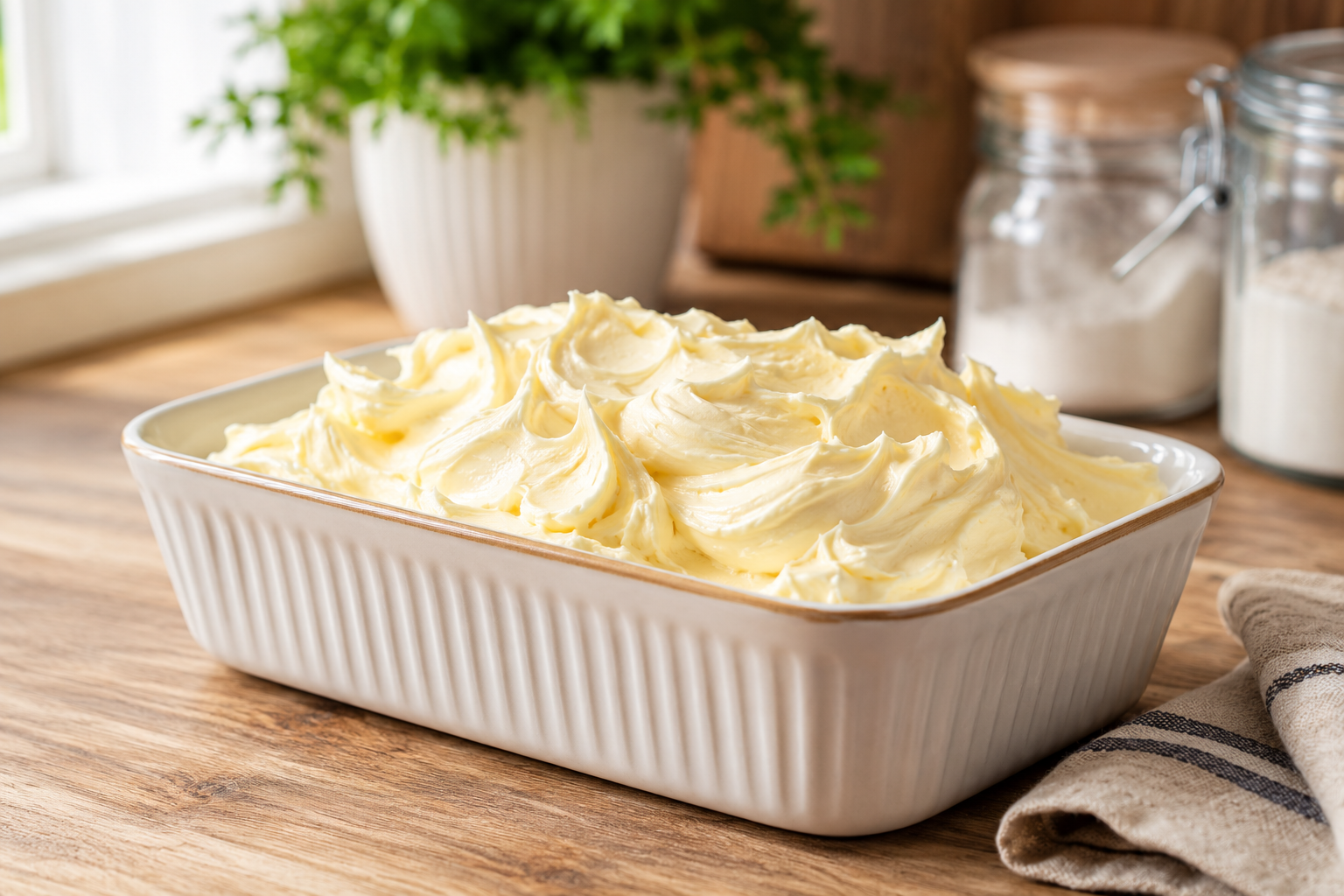
Keto Whipped Butter
A simple homemade butter recipe made by churning heavy cream until it separates into creamy butter and buttermilk. Choose salted or unsalted butter depending on your preference.
4
servings15
minutes101
kcal15
minutesIngredients
1 quart heavy cream
Salt if making salted butter
Directions
- Pour the heavy whipping cream into the bowl of an electric mixer. If making salted butter, add salt according to your preference.
- Turn the mixer on to medium speed and begin churning the cream.
- Continue mixing as the cream moves through several stages. It will first become whipped cream with stiff peaks before eventually separating into liquid and solid butter.
- Keep churning until you can clearly see a solid mass of butter forming in the mixer bowl.
- Remove the butter solids from the bowl and place them in a separate bowl. Collect all of the butter pieces while leaving the buttermilk in the bottom of the mixer bowl.
- Pour a very small amount of cold water over the butter and shape it as desired. You can form the butter into a ball or roll, or use plastic wrap to help create the shape you prefer.
- The remaining liquid in the mixer bowl is buttermilk. Keep it for another use or discard it.
Nutrition Facts
- Total number of serves: 1
- Calories: 101kcal
- Fat: 11g
- Carbohydrates: 1g
- Sugar: 1g
- Protein: 1g