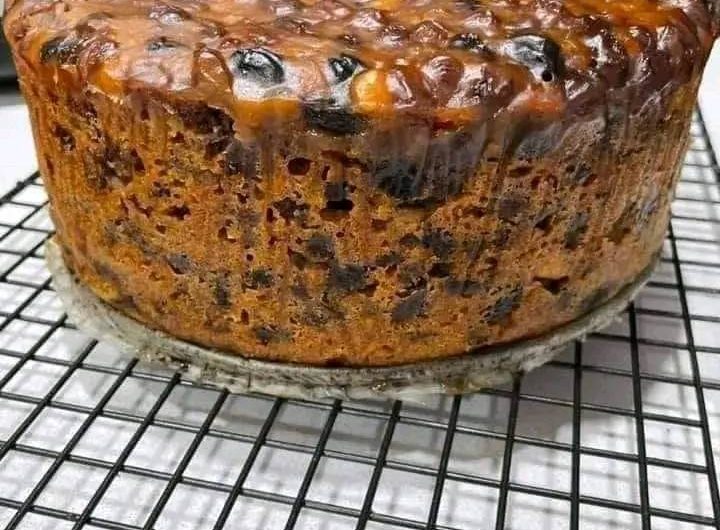
A homemade Gluten-Free Christmas Fruit Cake is one of the most treasured holiday desserts, bringing together dried fruits, warm spices, citrus, and a rich buttery cake in every slice. This festive cake delivers everything people love about a traditional Christmas fruit cake while remaining completely gluten-free. Packed with juicy fruit, crunchy nuts, and aromatic spices, it develops an even deeper flavor as it matures, making it an excellent make-ahead dessert for the holiday season.
Unlike many gluten-free cakes that can become dry or crumbly, this recipe stays wonderfully moist thanks to its generous amount of dried fruit, almond meal, butter, and carefully balanced ingredients. Every bite offers a delicious combination of sweetness, spice, and citrus that makes Christmas celebrations feel even more special. Whether served after a festive dinner or shared as a homemade gift, this classic cake is sure to impress family and friends.
Importance This Recipe
This recipe combines the timeless flavors of a traditional Christmas cake with the convenience of modern gluten-free baking. The cake has a rich texture, beautiful appearance, and balanced sweetness that appeals even to those who do not normally follow a gluten-free diet.
Another advantage is its excellent storage life. Unlike many cakes that are best eaten immediately, this fruit cake actually improves over time. As the fruit absorbs the flavors of the spices and liquid, the cake becomes even richer, softer, and more aromatic. Preparing it well before Christmas allows the ingredients to mature naturally, creating the deep flavor expected from a classic festive fruit cake.
What Makes This Christmas Cake Special?
Traditional Christmas fruit cakes are famous for their rich fruit content, warm spices, and long shelf life. This gluten-free version keeps all of those wonderful qualities while replacing wheat flour with gluten-free alternatives that provide excellent texture and structure.
Instead of relying heavily on flour, this recipe contains a generous amount of dried fruit and ground almonds. These ingredients naturally add moisture while helping create a soft crumb that remains tender for weeks. Combined with citrus zest and carefully selected spices, they produce a cake that tastes every bit as festive as the traditional version.
The Secret to a Moist Gluten-Free Fruit Cake
Several techniques work together to create the perfect texture, but one step makes the biggest difference.
Soaking the Fruit
Allowing the dried fruit to soak for a full twenty-four hours gives every ingredient time to absorb the orange juice, lemon juice, vanilla, and brandy or alternative liquid. As the fruit softens, it becomes plump and juicy, releasing moisture into the cake during baking.
This soaking period also blends the individual fruit flavors together, producing a richer and more balanced taste throughout the finished cake.
Ground Almonds Add Richness
Ground almonds help replace some of the structure normally provided by wheat flour while adding natural moisture and a delicate nutty flavor. They contribute to the cake’s tender crumb and prevent it from becoming dry, making them an important ingredient in gluten-free holiday baking.
A Wonderful Blend of Dried Fruits
One of the defining characteristics of this Christmas cake is its generous selection of dried fruits. Each variety contributes its own flavor, texture, and natural sweetness, creating a beautifully balanced dessert.
Currants and raisins provide classic fruit cake flavor, while sultanas add extra juiciness. Dried cranberries introduce gentle tartness that balances the sweetness of the other fruit. Chopped apricots, figs, prunes, blueberries, and glacé cherries add both color and variety, ensuring every slice contains an interesting mixture of flavors and textures.
Warm Holiday Spices Create Classic Flavor
Christmas baking would not be complete without aromatic spices. Mixed spice, cinnamon, and allspice work together to create the comforting fragrance associated with festive desserts. As the cake bakes slowly, these spices blend with the citrus zest and soaked fruit to fill the kitchen with an unmistakable holiday aroma.
Rather than overwhelming the fruit, the spices enhance its natural sweetness while adding warmth and depth. This balanced seasoning is one of the reasons traditional fruit cakes remain so popular year after year.
Citrus Brightens Every Slice
Fresh orange and lemon zest provide natural freshness that balances the richness of the fruit and butter. Their juices also help soften the dried fruit during soaking while adding subtle acidity that enhances the overall flavor.
The combination of citrus and warm spices creates the classic festive taste expected from a traditional Christmas fruit cake, making every bite both rich and refreshing.
Choosing the Right Gluten-Free Flour Blend
Using a quality gluten-free flour blend is essential for achieving the best texture. A well-balanced blend provides structure while allowing the cake to remain soft and tender. Combined with almond meal and xanthan gum or psyllium husk, the flour creates a batter that supports the generous amount of fruit without becoming heavy.
Although different gluten-free flour blends can be used, selecting one designed specifically for baking generally produces the most reliable results.
Preparing the Cake Batter
Once the fruit has finished soaking, preparing the batter becomes surprisingly simple. The dry ingredients are first mixed together so the spices, baking powder, and flour distribute evenly throughout the mixture. The butter, honey, brown sugar, and eggs are then combined to create a rich base before the dry ingredients and soaked fruit are gently folded together.
The finished batter will be much thicker than a standard cake batter because of the large quantity of fruit. This thick consistency is exactly what creates the dense yet moist texture associated with traditional Christmas fruit cakes.
Slow Baking Creates the Perfect Texture
Christmas fruit cake is baked at a relatively low temperature for a long period. Slow baking allows the center to cook thoroughly without over-browning the outside. During this time, the fruit releases moisture into the cake while the sugars gently caramelize, producing a beautifully rich flavor and deep golden color.
Because every oven behaves differently, checking the cake with a skewer near the end of baking helps determine when it is fully cooked. The cake is ready when the center feels firm and the skewer comes out clean.
Cooling the Cake Properly
Allowing the cake to cool completely inside the tin is just as important as baking it correctly. During the cooling process, the cake continues to set while the rich fruit mixture settles into a firm yet moist texture. Removing the cake too early may cause it to break or lose its shape because fruit cakes remain delicate while still warm.
Once completely cooled, carefully remove the baking parchment and transfer the cake onto fresh parchment paper. This prepares the cake for the next important stage of the traditional Christmas cake process.
Feeding the Cake for Richer Flavor
One of the most distinctive features of a traditional Christmas fruit cake is the process known as feeding the cake. Small holes are made across the surface with a skewer before additional brandy, whisky, Cointreau, apple brandy, or another preferred liquid is gently brushed or drizzled over the cake.
This extra moisture slowly absorbs into the fruit and sponge, creating an exceptionally rich texture and enhancing the overall flavor. Repeating this process every couple of weeks allows the cake to mature naturally, making it even more delicious as Christmas approaches.
Alcohol-Free Alternative
If you prefer not to use alcohol, the same method works beautifully with cold black tea or apple juice. These alternatives help maintain moisture while adding their own subtle flavor. The finished cake remains wonderfully soft and festive, making it suitable for a wider range of family gatherings.
Why This Cake Improves with Time
Unlike many cakes that are best eaten immediately after baking, a Christmas fruit cake actually becomes better with age. During storage, the dried fruit continues absorbing moisture while the spices, citrus, and soaking liquid blend together into one rich, balanced flavor.
Allowing the cake to mature for several weeks before serving creates the traditional deep taste that has made Christmas fruit cake a holiday favorite for generations. Properly wrapped and stored, the cake stays moist while its flavors become increasingly complex.
Decorating Your Christmas Cake
Once the cake has finished maturing, it can be decorated for the festive season. Many people choose a traditional layer of marzipan followed by royal icing, while others prefer a simpler finish with powdered sugar or decorative fruit and nuts.
Regardless of the decorating style, allowing at least one week between the final feeding and decorating is recommended. This gives the surface enough time to dry slightly so the marzipan or icing adheres properly without becoming sticky.
Serving Suggestions
Gluten-Free Christmas Fruit Cake is delicious on its own, but it also pairs beautifully with several festive accompaniments. A slice served alongside tea or freshly brewed coffee makes an excellent afternoon treat, while whipped cream, brandy butter, custard, or vanilla ice cream transforms it into an elegant holiday dessert.
Fresh berries, orange slices, or toasted almonds also make attractive garnishes that add color and freshness to every serving.
Storing the Cake
Proper storage is essential for maintaining both flavor and texture. Once the cake has cooled and been fed, wrap it tightly in a double layer of baking parchment followed by aluminum foil. Store it in an airtight container in a cool, dry place away from direct sunlight.
When stored correctly, the cake remains moist for several weeks. Feeding it periodically with additional alcohol or cold tea helps preserve freshness while enriching its flavor even further.
Can You Freeze Christmas Fruit Cake?
Yes, this gluten-free fruit cake freezes exceptionally well. Once completely cooled, wrap the cake tightly in several layers of parchment and foil before placing it inside a freezer-safe container or freezer bag.
Frozen fruit cake can be stored for several months without losing quality. Thaw it slowly at room temperature while still wrapped to retain its moisture and prevent condensation from affecting the texture.
Common Mistakes to Avoid
Although this recipe is beginner-friendly, a few simple precautions help ensure perfect results. Skipping the fruit soaking stage may reduce moisture and flavor, while rushing the baking process by increasing the oven temperature can cause the outside to brown before the center has fully cooked.
Removing the cake from the tin while still warm may also lead to cracking. Finally, remember that Christmas fruit cake develops its best flavor over time, so allowing it to mature before serving is well worth the patience.
Notes
Soak the Fruit Well
Allow the dried fruit to soak for at least 24 hours so it becomes soft, juicy, and full of flavor before baking.
Feed the Cake Regularly
Brush the cooled cake with additional brandy, whisky, cold tea, or apple juice every few weeks to keep it moist and flavorful.
Store Correctly
Wrap the cake tightly in parchment paper and foil before placing it inside an airtight container.
Alcohol-Free Version
Replace the alcohol with cold tea or apple juice for an equally moist family-friendly version.
Decorate After the Final Feeding
Leave at least one week between the final feeding and decorating so the surface dries enough for marzipan or icing.
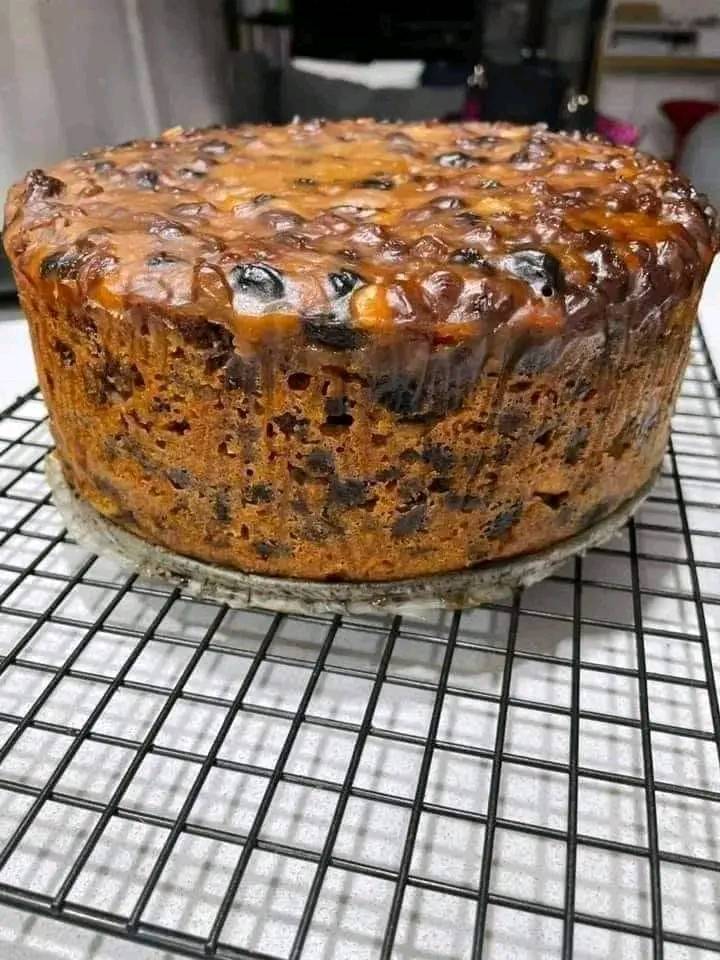
Gluten-Free Christmas Fruit Cake
Gluten-Free Christmas Fruit Cake is a rich, moist, and festive holiday cake loaded with dried fruits, mixed nuts, warm spices, and citrus flavors.
20
servings30
minutes2
hours388
kcal24
hoursIngredients
- Fruit & Nut Mixture
100 g currants
75 g raisins
150 g sultanas
75 g dried cranberries
125 g glacé cherries, quartered
100 g dried blueberries
100 g dried apricots, chopped
50 g dried figs, chopped
75 g dried prunes, chopped
50 g crystallized ginger, chopped
80 g mixed nuts
Zest and juice of 1 orange
Zest and juice of 1 lemon
150 ml brandy (or preferred alternative)
2 tsp vanilla extract
- Cake Batter
175 g gluten-free flour blend
125 g ground almonds
2 tsp xanthan gum (or psyllium husk)
1 tsp gluten-free baking powder
2 tsp mixed spice
1 tsp ground cinnamon
½ tsp allspice
275 g unsalted butter, melted
1 tbsp runny honey
220 g brown sugar
4 large eggs, beaten
50 ml brandy (or the same liquid used for soaking)
Directions
- Soak the Fruit
Combine all dried fruit, nuts, citrus zest, citrus juice, brandy, and vanilla.
Cover and soak for 24 hours, stirring occasionally. - Prepare the Tin
Line an 8-inch (20 cm) deep cake tin with baking parchment. - Make the Batter
Preheat the oven to 150°C (300°F).
Mix the flour, ground almonds, xanthan gum, baking powder, and spices.
Whisk the butter, honey, sugar, and eggs.
Fold in the dry ingredients, soaked fruit, and 50 ml brandy. - Bake
Spoon the batter into the prepared tin.
Bake for 1½–2½ hours.
Test with a skewer before removing. - Cool & Feed
Cool completely in the tin.
Remove from the tin and prick with a skewer.
Brush with 50 ml brandy (or cold tea).
Wrap in parchment and foil. - Store
Keep in an airtight container.
Feed with more brandy or tea every 2–3 weeks.
Leave 1 week after the final feeding before decorating.
Nutrition Facts
20 servings per container
- Amount Per ServingCalories388
- % Daily Value *
- Total Fat
17.6g
22%
- Total Carbohydrate
52.5g
19%
- Protein 5.4g 10%
* The % Daily Value tells you how much a nutrient in a serving of food contributes to a daily diet. 2,000 calories a day is used for general nutrition advice.