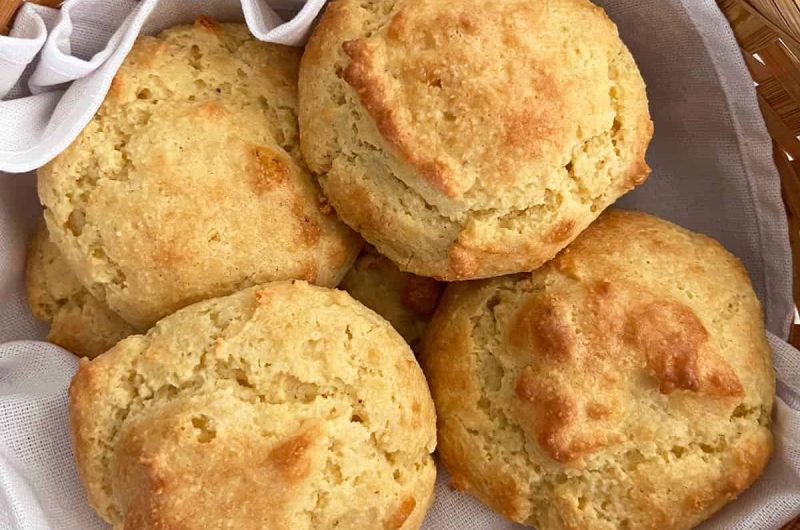
These Easy Gluten-Free Biscuits are soft, fluffy, tender, and surprisingly simple to prepare with only four basic ingredients. You do not need a food processor, stand mixer, or pastry cutter to make them. A bowl, spoon, rolling pin, and biscuit cutter are enough to turn gluten-free flour, baking powder, salt, and whipping cream into warm homemade biscuits with golden tops and soft centers.
The recipe is particularly convenient when you want quick gluten-free biscuits without a long preparation process. The dough comes together in about five minutes, and the biscuits bake at a high temperature for only 8 to 12 minutes. From beginning to end, you can have freshly baked gluten-free biscuits ready in approximately 15 minutes. Serve them for breakfast, alongside soup or a creamy chicken dish, or use them as the base for sweet recipes such as gluten-free strawberry shortcake.
Why You Prefer This Recipe
One of the biggest advantages of this recipe is simplicity. Traditional homemade biscuits often require cutting cold butter into flour, carefully handling the dough, and using additional equipment. These biscuits rely on whipping cream to provide the moisture and richness needed for a tender texture. Slowly stirring the cream into the dry ingredients creates a sticky dough that can be shaped with minimal effort.
The small batch is another convenient feature. One recipe makes approximately three to four biscuits, which is useful when baking for one or two people or when you do not want a large quantity of leftovers. If more biscuits are needed for breakfast, brunch, or dinner, the original recipe can simply be doubled. The short baking time makes preparing another batch manageable as well.
What Makes Gluten-Free Biscuits Different?
Gluten-free biscuit dough does not behave exactly like traditional wheat-based biscuit dough. Without conventional gluten, the dough can feel softer, wetter, and stickier than you may expect. That does not mean something has gone wrong. In this recipe, a wet and sticky consistency is intentional because gluten-free flour can continue absorbing moisture as the dough rests and bakes.
Adding large amounts of additional flour to eliminate the stickiness can make the finished biscuits heavier or drier. Instead, the dough is placed onto a work surface sprinkled with approximately one tablespoon of gluten-free flour. The flour is used only to lightly coat the outside, making the dough easier to handle without changing its internal moisture balance.
Choosing Gluten-Free Flour for Biscuits
The gluten-free flour blend can make a noticeable difference in the final texture because different brands contain different combinations of starches, grains, binders, and gums. The original recipe recommends Cup4Cup as the preferred choice and lists Better Batter as another strong option. These blends are intended to provide the structure and tenderness required for successful gluten-free baking.
King Arthur gluten-free flour can also be used, but the original instructions recommend reducing the whipping cream to two-thirds cup and adding one-quarter teaspoon xanthan gum. Since xanthan gum is not part of the main four-ingredient recipe, this is best understood as a flour-specific adjustment rather than part of the standard ingredient list. Bob’s Red Mill 1:1 is described as less consistent for this particular preparation, while Grandpa’s Kitchen is not recommended.
How to Measure Gluten-Free Flour Correctly
Correct flour measurement matters when making a small batch of biscuits because even a modest amount of extra flour can noticeably alter the dough. Begin by stirring or fluffing the gluten-free flour in its container. Rather than pushing the measuring cup directly into packed flour, gently spoon or scoop the loosened flour into the measuring cup without pressing it down.
Once the cup is full, use the straight edge of a knife to level the surface. This method helps prevent too much flour from entering the dough. When a recipe contains only one cup of flour, accurate measurement becomes especially important. Too much flour can reduce moisture and produce dry biscuits, while the correct quantity supports the intended soft and fluffy texture.
Why Whipping Cream Works in Homemade Biscuits
Whipping cream simplifies this recipe because it supplies both liquid and fat. Instead of cutting butter into the dry ingredients and then adding another liquid, three-quarters cup of whipping cream provides enough richness and moisture to form the biscuit dough. This is one reason the preparation can remain so short and require only four main ingredients.
The amount of cream depends somewhat on the gluten-free flour blend. The standard recipe calls for three-quarters cup, while the original instructions specify two-thirds cup when using King Arthur gluten-free flour. Pour the cream into the dry mixture gradually while stirring so you can distribute it evenly. The resulting dough should remain sticky rather than becoming firm and dry.
Baking Powder Creates a Light Texture
Gluten-free baking powder is another essential ingredient because it provides the leavening that helps the biscuits rise in the oven. The recipe uses half a tablespoon combined with one cup of gluten-free flour. As the biscuits bake at 450°F (230°C), the baking powder helps create a lighter interior rather than a dense, compact biscuit.
Make sure the baking powder you use is specifically suitable for a gluten-free diet if that is an important dietary requirement. It should also be reasonably fresh because old baking powder may lose some of its effectiveness. Mix it thoroughly with the flour and salt before introducing the whipping cream so the leavening is distributed throughout the entire batch.
How to Make Gluten-Free Biscuit Dough
Begin by preheating the oven to 450°F (230°C). Because these biscuits bake for only 8 to 12 minutes, the oven should be fully heated before the tray goes inside. In a small mixing bowl, combine one cup of high-quality gluten-free flour, half a tablespoon of gluten-free baking powder, and half a teaspoon of salt.
Slowly pour in the whipping cream while stirring with a spoon. Continue only until the ingredients form a wet, sticky dough. There is no need for vigorous beating or extended mixing. The simplicity of this method is one reason these biscuits are suitable for beginner bakers who want an easy gluten-free baking recipe without complicated preparation.
Sticky Biscuit Dough Is Normal
The most important thing to remember when preparing these biscuits is that the dough is supposed to be sticky. Bakers who are accustomed to traditional biscuit dough may be tempted to keep adding flour until it becomes easier to handle. Doing so can change the ratio of dry ingredients to cream and potentially produce a biscuit that is less tender.
Instead, sprinkle approximately one tablespoon of gluten-free flour onto the work surface and place the sticky dough on top. Lightly coat the outside with the flour without kneading that flour deeply into the dough. This creates a manageable outer surface while keeping the inside sufficiently moist. Gentle handling is preferable to aggressively kneading or repeatedly working the dough.
Folding the Dough for Better Biscuits
After placing the lightly coated dough on the work surface, gently press it down until it is approximately half an inch thick. Fold the dough in half and then fold it again. This simple folding technique helps create structure within the biscuit without requiring lengthy kneading.
Once folded, use a rolling pin to gently roll the dough until it is slightly more than one inch thick. Avoid pressing aggressively because the goal is to shape the dough rather than compress it. Keeping the final dough relatively thick allows the biscuit cutter to produce substantial biscuits with enough height to create soft centers during the short baking period.
How to Cut Gluten-Free Biscuits
Use a biscuit cutter to cut individual rounds from the rolled dough. Press the cutter down through the dough and transfer each biscuit to a baking sheet. Work carefully because gluten-free dough can be more delicate than conventional wheat-based biscuit dough, particularly when it contains a high proportion of moisture.
Once all the biscuits are arranged on the baking sheet, lightly brush their tops with a little leftover whipping cream. A pastry brush works well, but a spoon can also be used when no brush is available. The light cream coating encourages an attractive golden finish during baking and requires no additional ingredient beyond the cream already used for the dough.
How Long to Bake Gluten-Free Biscuits
Bake the prepared biscuits in the fully preheated 450°F (230°C) oven for approximately 8 to 12 minutes. Around 10 minutes is often sufficient, but exact timing can vary according to biscuit thickness, oven performance, baking tray, and the particular gluten-free flour blend being used.
Look for golden-brown tops and make sure the centers are cooked before removing the biscuits. Because the baking window is relatively short, check them carefully toward the end. A difference of only a couple of minutes can matter when baking small biscuits at a high oven temperature. Once ready, remove the baking sheet and serve the biscuits while they are still pleasantly warm.
How to Make Gluten-Free Drop Biscuits
If you do not want to roll, fold, and cut the dough, the same recipe can also be prepared as gluten-free drop biscuits. After mixing the sticky dough, use a spoon or cookie scoop to portion it directly onto the baking sheet. This eliminates the shaping steps and makes an already simple recipe even quicker.
Drop biscuits will naturally have a more rustic appearance than neatly cut biscuit rounds, but they retain the same basic ingredients and tender texture. Bake the portions according to the original cooking method. This option is especially convenient when preparing biscuits alongside a busy dinner and appearance is less important than getting a warm homemade side onto the table quickly.
Dairy-Free Gluten-Free Biscuits
The original recipe also provides an option for dairy-free gluten-free biscuits. For this variation, use two-thirds cup of coconut cream together with a dairy-free gluten-free flour blend. Better Batter is specifically recommended in the supplied instructions for this version.
To prepare coconut cream from canned coconut milk, refrigerate the can overnight. The thick, solid cream should rise and separate from the thinner liquid. Scoop the solid portion from the top and warm it only enough to return it to a liquid consistency before measuring. This allows it to be incorporated into the flour mixture more easily while maintaining the richness needed for the biscuit dough.
Serving Gluten-Free Biscuits for Breakfast
Warm gluten-free biscuits work particularly well at breakfast. Split them and use them for breakfast sandwiches or serve them with sausage gravy for a hearty morning meal. Their neutral savory flavor allows them to pair with a variety of breakfast ingredients without competing with stronger flavors.
Because the recipe produces only three to four biscuits, it is especially practical for a small breakfast. For a larger family meal or brunch, double the recipe so everyone has enough. Serving the biscuits shortly after baking gives the best combination of a golden exterior and soft, warm interior.
Gluten-Free Biscuits with Soup and Dinner
These biscuits are equally useful as a dinner side. Their soft texture makes them particularly good with soups, stews, and creamy chicken dishes where a biscuit can be used to pick up flavorful sauces or broth. Since preparation takes only a few minutes, they can be mixed while the main meal is finishing.
The four-ingredient formula also makes them convenient when you realize at the last minute that dinner needs an additional side. There is no yeast to activate and no long resting or rising period. As long as the oven is hot, the biscuits can move from mixing bowl to table in approximately 15 minutes.
Using the Biscuits for Sweet Recipes
Although the standard biscuit recipe is savory and simple, the dough can also serve as a starting point for sweet biscuit-based recipes. The original serving suggestions mention adding a touch of sugar when adapting the biscuits for desserts such as strawberry shortcake or cinnamon rolls. The tender texture makes the biscuits particularly suitable for pairing with fruit and cream.
The biscuit dough may also be useful in recipes such as monkey bread. These alternative uses demonstrate why a reliable gluten-free biscuit recipe is useful beyond breakfast or dinner. Once you are comfortable with the basic four-ingredient preparation, the same simple dough can support several different meal and dessert ideas.
Notes for Soft and Fluffy Gluten-Free Biscuits
The most important note is not to panic when the dough looks wet and sticky. That texture is expected. Resist the temptation to mix significant additional flour into the dough. Instead, use approximately one tablespoon of flour on the work surface simply to coat the exterior enough for folding, rolling, and cutting.
Handle the dough gently, keep it thick when rolling, and avoid repeatedly working the scraps more than necessary. Measure the flour accurately and remember that different gluten-free blends absorb liquids differently. When using King Arthur flour, follow the specified adjustment of two-thirds cup cream rather than the standard three-quarters cup.
Flour Blend Notes
Cup4Cup is the recommended flour for the standard version because it produces the preferred results according to the supplied recipe. Better Batter is listed as another good choice and is specifically recommended for the dairy-free coconut cream variation. King Arthur can be used with the noted modifications to cream and xanthan gum.
Bob’s Red Mill 1:1 is described as inconsistent for this particular biscuit recipe, while Grandpa’s Kitchen is not recommended. These differences illustrate why gluten-free baking can vary more significantly between flour brands than traditional baking. A blend that works beautifully in cookies or cakes may not necessarily create the same texture in a biscuit recipe.
How to Store Gluten-Free Biscuits
These biscuits have their best texture when freshly baked and served warm. If you have leftovers, keep them at room temperature for up to 24 hours. Wrap them securely or place them inside a sealed container to reduce moisture loss and prevent them from becoming stale too quickly.
For longer storage, transfer the biscuits to a freezer bag and freeze them. Freezing is a more practical option than leaving the biscuits at room temperature for several days because gluten-free baked goods can lose their ideal texture relatively quickly. Since the standard recipe makes only three to four biscuits, however, there may be very few leftovers to store.
Why These Easy Gluten-Free Biscuits Work
For anyone searching for easy gluten-free biscuits, 4-ingredient gluten-free biscuits, fluffy gluten-free biscuits, homemade gluten-free biscuits, gluten-free breakfast biscuits, gluten-free drop biscuits, dairy-free gluten-free biscuits, or quick gluten-free biscuit recipes, this recipe provides a straightforward method that requires minimal ingredients and equipment.
There is no food processor or pastry cutter, the preparation takes approximately five minutes, and baking requires only 8 to 12 minutes. Whipping cream simplifies the traditional biscuit-making process, while careful flour measurement and a deliberately sticky dough help maintain tenderness. Whether served with breakfast, soup, dinner, gravy, or used for a sweet recipe, these quick biscuits offer a versatile addition to gluten-free home baking.
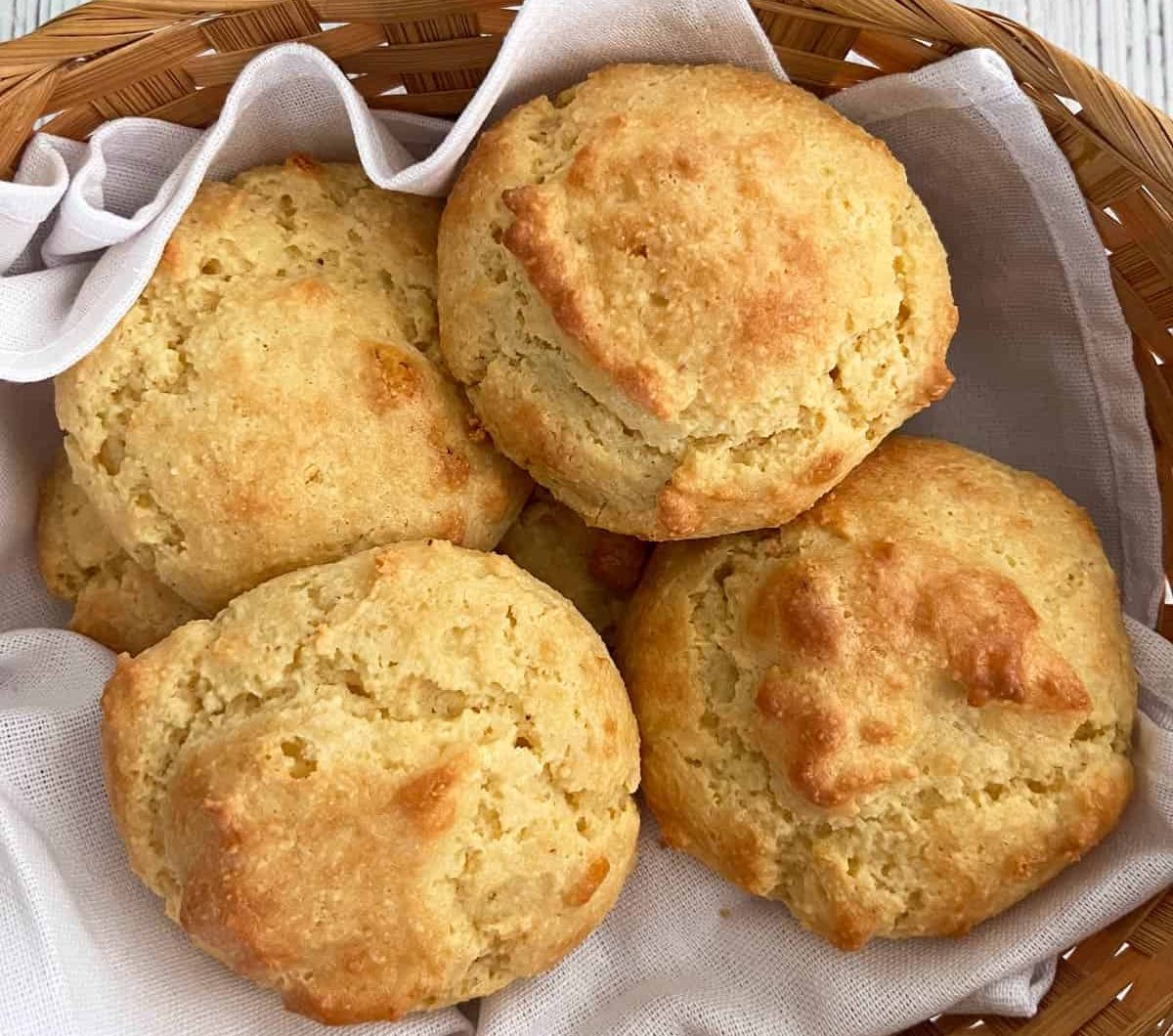
Easy Gluten-Free Biscuits (Only 4 Ingredients!)
Soft, fluffy, and golden homemade gluten-free biscuits made with only four simple ingredients. This quick one-bowl biscuit recipe requires no food processor or pastry cutter and takes approximately 15 minutes from preparation to baking
4
servings5
minutes10
minutes15
minutesIngredients
1 cup high-quality gluten-free flour (Cup4Cup suggested)
½ tablespoon gluten-free baking powder
½ teaspoon salt
¾ cup whipping cream (use ⅔ cup when using King Arthur gluten-free flour)
Directions
- Preheat the oven to 450°F (230°C).
- Combine gluten-free flour, baking powder, and salt.
- Slowly stir in whipping cream until a sticky dough forms.
- Sprinkle about 1 tablespoon gluten-free flour over the work surface.
- Place dough on the flour and lightly coat the outside.
- Gently press dough to approximately ½ inch thick.
- Fold the dough in half, then fold it again.
- Gently roll to slightly more than 1 inch thick.
- Cut biscuits with a biscuit cutter.
- Transfer them to a baking sheet.
- Lightly brush the tops with leftover whipping cream.
- Bake for 8–12 minutes, or until golden and cooked through.
- Remove from the oven and serve warm.